
Most homeowners assume battery backup sump pumps all offer similar protection until their basement floods during an outage because their backup couldn’t keep up. Wayne’s current ESP25n handles low to average water flow fine, but its single battery design, slow recharge time, and specific lift capacity limits mean it won’t work for every situation. This guide covers the ESP25n’s real runtime, what discontinued models you’ll see referenced online, battery options that actually fit, and the installation details that determine whether this pump protects your basement or leaves you short when power fails.
Model Availability, Pricing, and Where to Buy
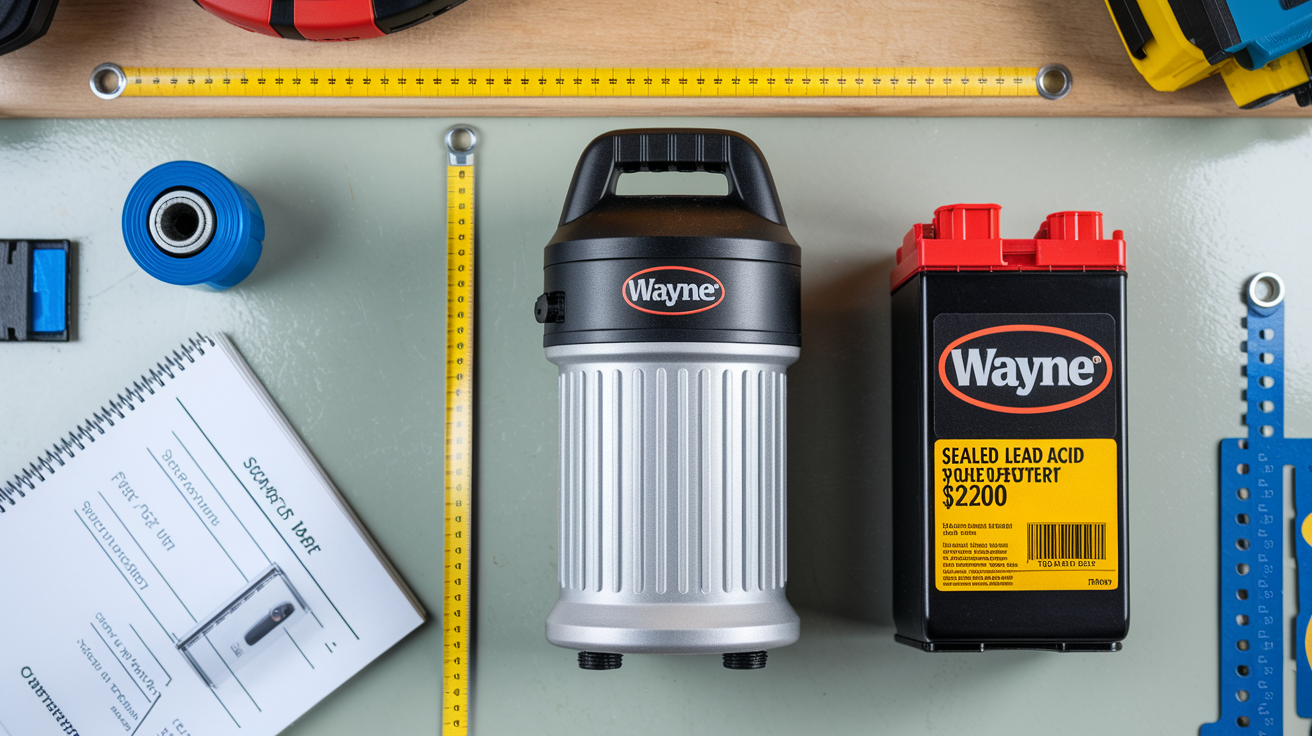
Wayne makes the ESP25n as their only current battery backup sump pump. You’ll see the ESP15, ESP25, and ESP45 mentioned in old forum posts and videos, but those models don’t exist anymore. They’re discontinued. If you’re looking at Wayne battery backup systems and keep running into references to older models, just focus on the ESP25n specs.
The ESP25n pump runs between $220 and $280 depending where you buy it. Battery’s sold separately, which adds another $150 to $200 for the Wayne WSB1275 or a compatible 75 amp hour deep cycle battery. You’re looking at $400 to $450 total to get a complete working system.
Most big box stores stock the ESP25n. Lowe’s, Home Depot, Menards. Online you’ve got Amazon, eBay, specialty plumbing retailers. Availability stays pretty consistent year round, though stock tightens in spring when everyone’s worrying about basement flooding. Local hardware stores sometimes carry the pump but rarely have the matching battery.
The ESP25n moves 25 gallons per minute or 1500 gallons per hour at a 10 foot vertical lift. A fully charged 75 amp hour battery can handle up to 10,000 gallons before it needs recharging. Continuous operation? About 8 hours of runtime. This capacity works for low to average water flow situations. Intermittent seepage, occasional heavy rain, standard residential basement conditions where your primary pump handles most of the work and the battery backup just covers outages or primary pump failure.
Technical Specifications and Pumping Performance
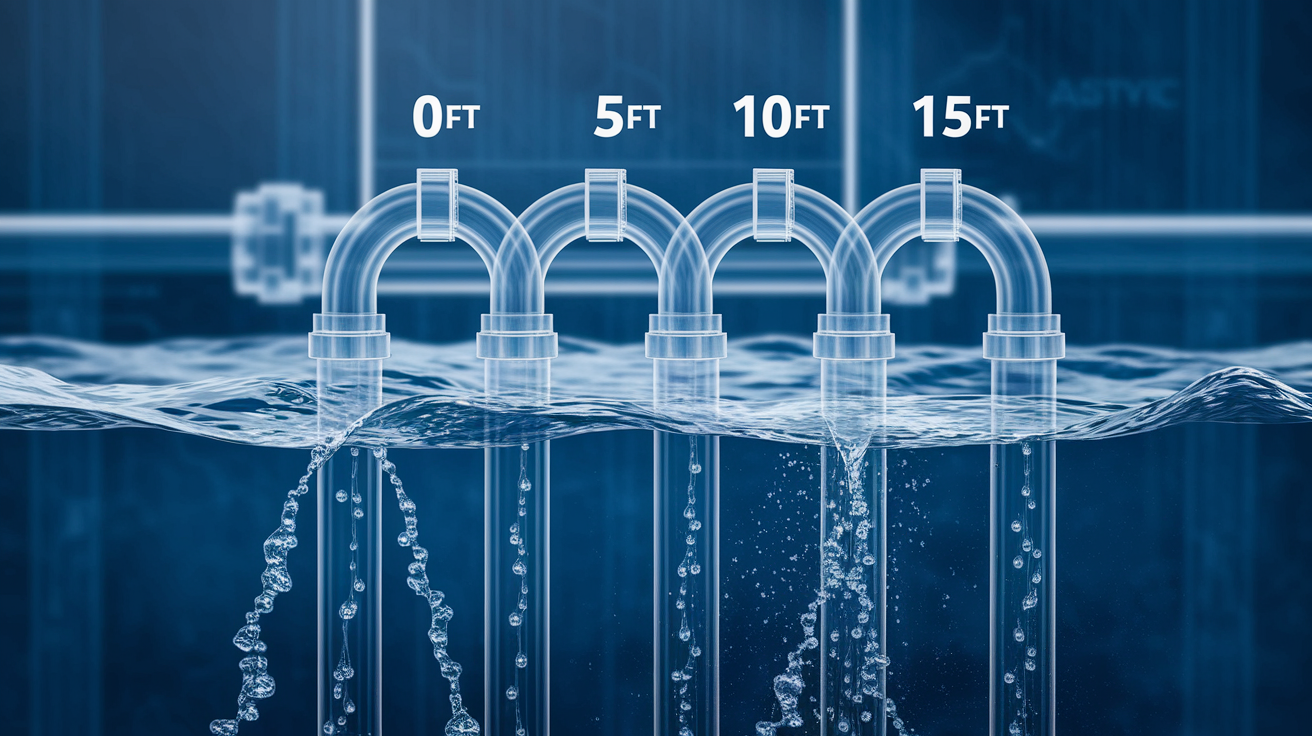
Pumping capacity drops as lift height goes up. At 0 feet of lift, the ESP25n moves 2900 gallons per hour (about 48 gallons per minute). At 5 feet you’re down to 2340 gallons per hour (39 GPM). At 10 feet it’s 1680 gallons per hour (28 GPM). At 15 feet you get just 600 gallons per hour (10 GPM). If your discharge pipe runs 12 to 15 feet vertically before reaching daylight or a drain line, calculate your basement protection around these lower flow rates.
The ESP25n measures 7.25 inches wide and weighs 20 pounds. Housing’s carbon steel with epoxy powder coating. Base is cast iron. Shaft’s stainless steel for durability in constant water contact. You need a sump basin at least 14 inches in diameter to fit this pump alongside your primary pump. Smaller basins won’t work without crowding the float switches.
The pump runs on a 12 volt DC motor pulling 100 watts during operation. Power cord’s 8 feet long, reaches most nearby GFCI outlets without needing an extension. The discharge connection is 1.5 inch NPT threading, which matches standard PVC discharge pipe fittings and complies with most residential building codes. Float switch is a magnetic reed vertical float that attaches to the discharge pipe and kicks on when water rises. Top suction design pulls water from above the pump base rather than through a screened inlet at the bottom.
| Lift Height | Gallons Per Hour | Gallons Per Minute |
|---|---|---|
| 0 feet | 2900 GPH | 48.33 GPM |
| 5 feet | 2340 GPH | 39 GPM |
| 10 feet | 1680 GPH | 28 GPM |
| 15 feet | 600 GPH | 10 GPM |
Battery Specifications, Runtime, and Replacement Options
Battery’s sold separate from the pump unit. Wayne tests the ESP25n with their WSB1275 sealed lead acid gel battery. It’s a 12 volt, 75 amp hour deep cycle battery rated to pump 10,000 gallons on a full charge. Continuous operation gets you about 8 hours before the battery’s dead. The WSB1275 carries a 1 year warranty from Wayne.
The ESP25n only accepts one battery. The discontinued ESP45 model let you run two batteries in parallel for up to 16 hours of continuous runtime, but the current ESP25n design limits you to a single battery connection. Runtime varies based on vertical lift height and how fast water enters your pit. At 15 feet of lift the pump moves less water per minute, so the battery lasts longer in hours but moves fewer total gallons. At 5 feet of lift, flow rate’s higher, depleting the battery faster but moving more total volume.
Battery lifespan typically runs 3 to 5 years depending on how often it cycles from full charge to partial discharge and back. Batteries used several times each spring during storms wear faster than batteries that sit on trickle charge all year with only occasional testing. Signs of degradation include reduced runtime (pit doesn’t empty as many times on one charge), slower recharge times, voltage drops visible on the LED indicator showing yellow or red status sooner than expected. Replace the battery when runtime drops noticeably or it won’t hold a full charge after 3 days of charging.
Compatible battery options:
- Wayne WSB1275 (75 amp hour sealed lead acid gel, 1 year warranty, 10,000 gallon capacity)
- MightyMax 12V 75AH (sealed lead acid, comparable amp hour rating, budget friendly)
- Weize 12V 75AH deep cycle battery (AGM construction, longer lifespan than standard sealed lead acid)
- Universal Group UB12750 (75 amp hour sealed lead acid, common replacement at battery specialty stores)
- Any 12V 75AH deep cycle battery with sealed construction and post terminals that fit Wayne’s battery cable connectors
Installation Requirements and Setup Process
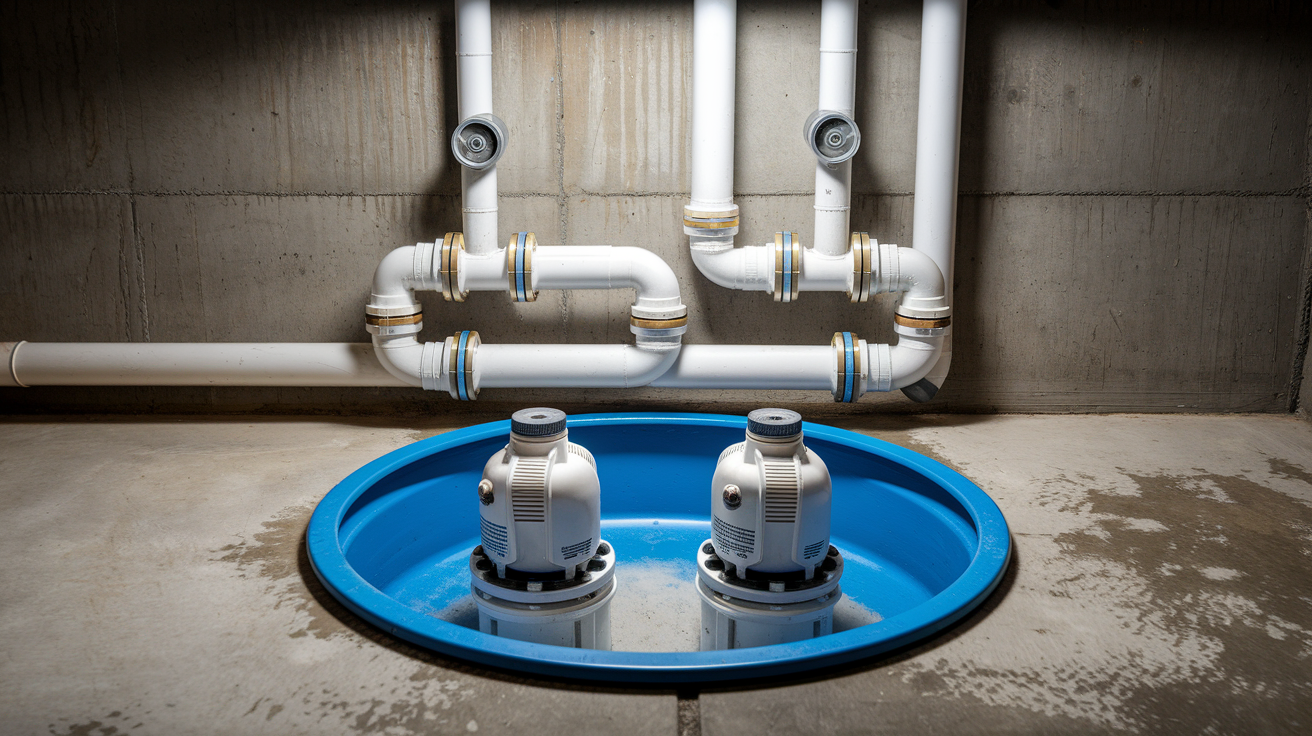
You need a basin at least 14 inches in diameter. The ESP25n sits alongside your primary AC powered pump. Discharge connection’s 1.5 inch NPT threading, threads directly onto a 1.5 inch PVC male adapter. Most residential discharge systems use 1.5 inch or 2 inch PVC pipe. Position the pump so the top suction inlet stays submerged during operation but doesn’t mess with your primary pump’s float switch or discharge pipe.
The ESP25n’s fully submersible. Motor and housing sit in the water. The 8 foot power cord runs from the pump to the battery case. Battery case sits outside the sump pit, typically on the basement floor or mounted on the wall nearby. Plug the battery case power supply into a GFCI protected outlet. The battery case includes the charging circuit and alarm system. Wire the battery to the case terminals, then wire the pump power cord to the case output.
The ESP25n works as a combination system with your primary AC pump. Your primary pump handles normal operation. When power fails or the primary pump can’t keep up, water rises high enough to activate the ESP25n’s vertical float switch. Battery backup pump engages and discharges through the same pipe as your primary pump (or a dedicated secondary discharge line if your setup includes one). Install a check valve on the primary pump discharge line to prevent backflow from filling the pit after the primary pump cycles off.
Basic installation steps:
- Position the ESP25n in the sump basin at least 14 inches in diameter, away from primary pump float switch
- Thread a 1.5 inch PVC male adapter onto the discharge connection and connect to discharge pipe or secondary discharge line
- Attach the magnetic reed vertical float switch to the discharge pipe at a height that activates before water reaches the top of the basin
- Mount the battery case on the basement floor or wall near the sump pit within reach of the 8 foot pump power cord
- Connect battery terminals to the battery case, then connect pump power cord to case output
- Lift the float switch manually to test pump activation, discharge flow, and alarm function
Charging System, LED Monitoring, and System Alerts

Battery charger operates at less than 1 amp. After full battery depletion, expect at least 3 days to fully recharge the battery back to 100%. This slow trickle charge rate’s gentler on the battery than fast charging, potentially extending battery lifespan, but it means you need 72+ hours of AC power after an outage to restore full backup capacity. Zoeller and Liberty Pumps competitors use 10 amp auxiliary chargers that recharge depleted batteries in several hours instead of days.
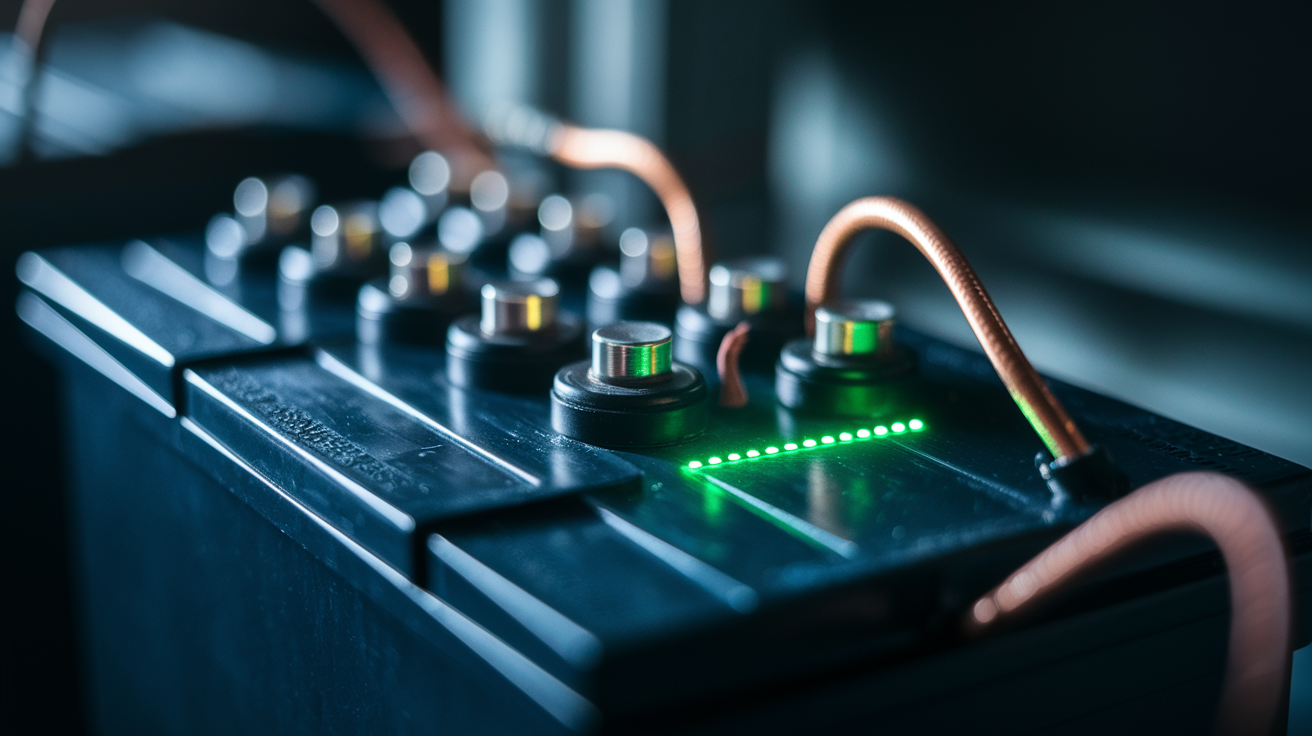
The protective battery case includes an LED display showing real time battery status. Green means the battery’s charging and voltage is normal. Yellow indicates low voltage or a partially charged battery that hasn’t reached full capacity yet. Red means the battery’s depleted and needs recharging. Check the LED color periodically, especially after storms or power outages when the battery backup may have activated.
When the battery backup pump engages, an audible alarm beeps continuously. The ESP25n alarm can’t be silenced during operation. Beeping continues as long as the pump runs on battery power. This alerts you to power failure or primary pump failure so you can investigate. The discontinued ESP45 model included a 4 hour silence button, but Wayne removed this feature on the ESP25n. If the alarm drives you crazy during extended outages, there’s no built-in way to quiet it.
These monitoring features prevent surprises. Green LED confirms your system sits ready. Yellow warns you the battery didn’t fully recharge after the last activation. Red tells you the battery died and you have no backup protection until it recharges. The alarm makes sure you know when you’re running on backup power. If your primary pump failed and you don’t realize it, the alarm brings you down to the basement to check the situation before the battery dies and flooding starts. Set a maintenance reminder to check the LED color monthly and test the alarm function quarterly by lifting the float switch manually.
Discontinued Models and Specification Comparisons

Wayne manufactured three battery backup models before discontinuing them and releasing the ESP25n as their current offering. ESP15 was the smallest unit. ESP25 was the mid range model. ESP45 was the heavy duty option with dual AC/DC power capability. If you’re reading old forum threads or watching YouTube videos from before 2018, that information applies to pumps no longer available.
The original ESP25 pumped 38 gallons per minute (2280 gallons per hour) at 10 feet of lift. Current ESP25n pumps 25 GPM (1500 GPH) at the same height. That’s a reduction of 13 gallons per minute. The original ESP25 weighed 13 pounds with thermoplastic housing. ESP25n weighs 20 pounds with carbon steel epoxy coated housing and a cast iron base. Construction changed from lightweight plastic to heavier metal, but pumping capacity dropped. The ESP45 was the strongest model, moving 40 GPM (2400 GPH) at 10 feet with cast iron housing, volute, seal plate, and stainless steel shaft. ESP45 offered dual power operation (battery backup or standard AC power), and its top suction design minimized clogging from debris in the basin.
| Model | Status | Pumping Capacity | Weight | Width | Construction |
|---|---|---|---|---|---|
| ESP15 | Discontinued | Not specified | Not specified | 5.5 inches | Thermoplastic |
| ESP25 | Discontinued | 38 GPM / 2280 GPH at 10 ft | 13 pounds | 6 inches | Thermoplastic |
| ESP45 | Discontinued | 40 GPM / 2400 GPH at 10 ft | Not specified | 8.75 inches | Cast iron housing, stainless steel shaft |
| ESP25n | Current | 25 GPM / 1500 GPH at 10 ft | 20 pounds | 7.25 inches | Epoxy-coated carbon steel housing, cast iron base |
Suitable Applications and Water Flow Scenarios

The ESP25n’s recommended for low to average water flow situations. Low flow means your sump pit fills slowly, water seeps in over 20 to 30 minutes rather than rushing in during heavy rain. Average flow means your primary pump cycles every 10 to 15 minutes during steady rain, and the pit refills at a manageable rate between cycles. The ESP25n handles these conditions during power outages because the 25 GPM capacity at 10 feet of lift keeps up with incoming water.
The ESP25n’s not suitable for heavy continuous water flow during severe rainstorms. If your primary pump runs constantly during storms, barely keeping up, and your pit refills in 2 to 3 minutes after each pump cycle, the ESP25n won’t provide enough capacity to protect your basement during an extended power outage. For high water table situations requiring 1/2 to 3/4 horsepower primary pump capacity, consider pairing a larger primary pump like the Wayne CDU980 or CDU800 with an auxiliary battery power unit such as the Sumpro 75, which provides approximately 3.5 hours of continuous runtime for higher capacity AC pumps running on battery power through an inverter.
Evaluate your basement water patterns before deciding if the ESP25n matches your needs. Note how often your pit fills during typical rain. Time how long it takes to refill after your primary pump cycles off. Check if water flow increases noticeably during spring thaw or seasonal groundwater rise. If your pit refills in under 5 minutes during moderate rain, you’re dealing with higher flow than the ESP25n’s designed to handle as a solo backup. If refilling takes 10 to 20 minutes, the ESP25n will work.
Customer reviews mention successful performance at 12 foot lift heights, with the pump emptying the pit quickly and operating quietly. Users describe easy installation and reliable activation when the float switch triggers. These positive experiences come from basements with intermittent water seepage, occasional rainfall events, and standard residential drainage conditions where the battery backup provides temporary protection during power outages lasting several hours rather than all day pumping marathons.
Comprehensive Maintenance and Care Guidelines
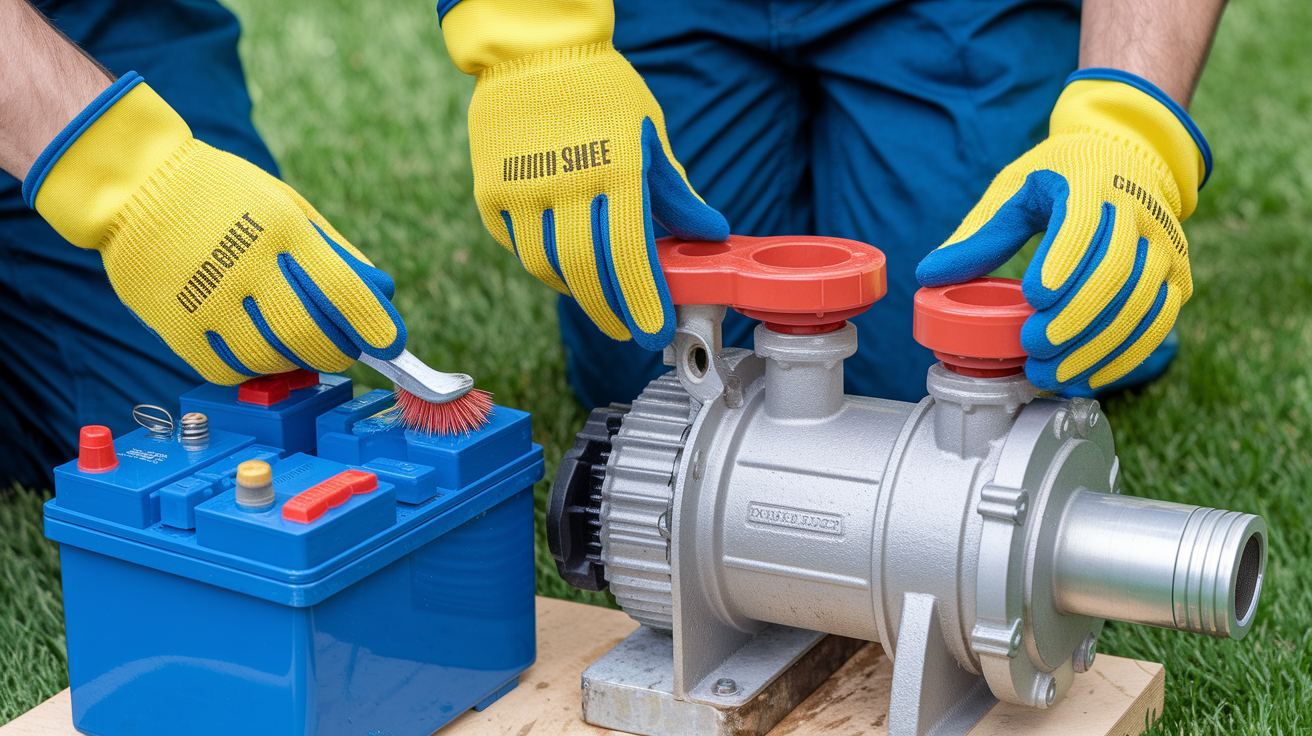
Test the system monthly by manually lifting the vertical float switch to verify the pump activates, discharges water, and triggers the audible alarm. Watch the LED indicator during testing to confirm green status before activation. After testing, confirm the LED returns to green once the pump stops. This monthly check ensures the battery holds a charge, the float switch moves freely, the pump motor engages, and the discharge line isn’t clogged or frozen.
Clean the battery terminals every 6 months. Disconnect the battery cables and inspect the posts for white or green corrosion. Use a wire brush to clean the terminals, then reconnect the cables and tighten them. Loose connections reduce charging efficiency and prevent proper pump operation during emergencies. While you’re working on the battery, check the basin for debris. The ESP25n uses a top suction design that can’t handle rocks, gravel, or silt in the basin. Scoop out debris before it clogs the intake and blocks water flow.
Watch for rust on the carbon steel housing. One customer reported visible rust after 10 days in water despite the powder coating. Some surface rust is normal for carbon steel exposed to water continuously. The stainless steel shaft resists corrosion better, which is why Wayne uses it for the moving parts. Surface rust on the housing doesn’t immediately affect pump function, but heavy pitting or flaking indicates the coating failed and the pump may need replacement sooner than expected. If rust appears within weeks of installation, contact Wayne about warranty coverage.
Regular maintenance tasks with recommended frequency:
- Monthly: Visually inspect battery case LED indicator (green status confirms readiness) and check for water stains on pump housing indicating recent activation
- Monthly: Manually lift float switch to test pump activation, discharge flow, and alarm function
- Quarterly: Run a full activation test by pouring water into pit until pump engages naturally from float switch rise
- Every 6 months: Disconnect and clean battery terminals, check cable connections for tightness
- Every 6 months: Remove pump from basin, rinse housing, inspect top suction intake for debris blockage
- Annually: Deep clean sump basin by removing both primary and backup pumps, scooping out sediment, rinsing walls
- Every 3 to 5 years: Replace battery when runtime drops noticeably or LED shows yellow/red status frequently
- After each activation: Check discharge line for ice, verify check valve operation, confirm LED returns to green within 3 days as battery recharges
Troubleshooting Common Issues and Performance Problems
Start by checking the battery charge status via the LED indicator. If the LED shows yellow or red, the battery needs charging or replacement. Green LED but no pump activation when you lift the float means check the float switch attachment. It may have loosened from the discharge pipe or shifted position so it’s not triggering the switch. Pump runs but weak discharge flow points to a clogged discharge line, failed check valve stuck partially closed, or blockage in the top suction intake from debris in the basin.
After fixing any issue, verify proper operation by manually activating the float switch, watching for immediate pump engagement, checking for strong discharge flow (fill a 5 gallon bucket and time it to calculate gallons per minute), confirming the LED shows green status before testing, and ensuring the alarm beeps during operation. If the alarm doesn’t sound, the battery case wiring may have come loose or the internal alarm failed. If discharge flow’s weak even after clearing the line, measure vertical lift height. You may be exceeding the pump’s capacity if discharge runs higher than 15 feet.
Common issues and solutions:
Pump won’t activate when float switch is lifted. Check battery charge via LED (yellow or red means low charge). Verify float switch is properly attached to discharge pipe and moves freely without binding. Test battery voltage with multimeter (should read 12+ volts when fully charged).
Weak discharge flow or pit empties slowly. Inspect check valve for debris stuck in valve flap. Clear discharge line of blockages, ice, or crushed sections. Remove pump and check top suction intake for silt, gravel, or debris blocking water entry.
Continuous alarm even after pump stops. Normal ESP25n behavior. Alarm can’t be silenced during battery operation. If alarm continues after float drops and pump stops, check battery case wiring connections or contact Wayne for warranty replacement of alarm circuit.
Battery won’t hold charge. Test battery voltage. If voltage drops below 11 volts shortly after charging stops, battery’s failing and needs replacement. Check that battery charger’s plugged in and LED shows charging status (green or yellow).
Rust or corrosion visible on pump housing. Normal for carbon steel construction when submerged in water. Monitor for heavy flaking or pitting. Surface rust doesn’t affect pump function immediately. Stainless steel shaft should remain corrosion free.
Pump activates but basin doesn’t drain. Clear debris from basin that’s blocking top suction intake. Check that discharge line isn’t crushed, frozen, or disconnected. Verify check valve isn’t stuck closed.
Battery recharges slowly. Normal. Wayne charger operates at less than 1 amp and requires 3 days minimum to fully recharge depleted battery. Monitor LED for green status after 72 hours of charging.
Alarm beeps but can’t be silenced. Expected ESP25n design. Discontinued ESP45 model had 4 hour silence option, but current model does not. Alarm will beep continuously during battery operation to alert you of power failure or primary pump failure.
Warranty Coverage and Total Cost Analysis

The ESP25n pump carries a 2 year limited warranty from Wayne Pump Company. The Wayne WSB1275 battery includes a separate 1 year warranty. Expect to pay $220 to $280 for the pump unit depending on the retailer. Battery adds another $150 to $200. Your first year total investment runs $400 to $450 for a complete working system with pump, battery, and battery case (included with pump).
Wayne’s 2 year pump warranty’s shorter than Liberty Pumps and Zoeller, which offer 3 year warranties on their battery backup models. Superior Pump provides a 1 year warranty. Basement Watchdog matches Wayne at 2 years. The ESP25n’s assembled in the United States, which some buyers value for parts availability and manufacturer support responsiveness. Warranty coverage typically includes defects in materials or workmanship but excludes damage from improper installation, lack of maintenance, or use beyond the pump’s rated capacity.
Ongoing operational costs stay minimal. The less than 1 amp trickle charger draws negligible electricity, maybe $5 to $10 per year in power consumption. Battery replacement every 3 to 5 years adds $150 to $200 per replacement cycle. If you test the system monthly and replace the battery every 4 years on average, expect $40 to $50 per year in battery replacement costs. Over a 10 year ownership period, total costs run around $800 to $900: $400 to $450 initial purchase, $300 to $400 in battery replacements (two batteries over 10 years), and minimal electricity costs.
| Brand | Pump Warranty | Battery Warranty |
|---|---|---|
| Wayne (ESP25n) | 2 years | 1 year |
| Superior Pump | 1 year | Varies |
| Liberty Pumps | 3 years | Varies |
| Zoeller | 3 years | Varies |
Customer Reviews and Real-World Performance
Customers consistently mention the ESP25n’s quiet operation. Wayne markets the pump as “The Hardest Working Pump You’ll Never Hear,” and reviews confirm it runs noticeably quieter than older models or competitor pumps. Users describe quick pit emptying and straightforward installation. Most complete setup in under an hour without professional help. Performance at 12 foot lift heights gets positive feedback, with customers reporting the pump handles typical residential discharge distances without noticeable capacity loss.
The carbon steel housing shows rust quickly. One customer reported visible rust after 10 days in water despite the powder coating. This cosmetic issue bothers buyers who expect epoxy coating to prevent corrosion completely. The top suction design causes problems in basins with sediment or gravel. Debris blocks the intake and reduces flow. The non silenceable alarm annoys homeowners during extended power outages. Unlike the discontinued ESP45 with its 4 hour silence button, the ESP25n beeps continuously as long as the pump runs on battery power.
Reliability patterns show best performance in basements with clean sump basins, infrequent activation (a few times per year during storms), and proper maintenance. Customers who test the system monthly and keep the basin free of debris report years of trouble free operation. Geographic locations with seasonal flooding or high water tables generate mixed reviews. Some users find the ESP25n adequate for overnight power outages, while others quickly learn the 8 hour battery runtime and 25 GPM capacity can’t handle all day pumping during severe spring flooding.
Satisfaction runs highest when buyers match the pump to appropriate conditions. Low to average water flow situations (intermittent seepage, occasional storms, backup protection during brief outages) produce positive feedback. Heavy continuous flow situations, debris prone basins, and extended outages generate complaints about insufficient capacity, clogging problems, and battery depletion before power returns. Alarm sensitivity gets mixed reactions. Some customers appreciate the loud alert to pump activation, while others consider the non stop beeping excessive during multi hour outages.
Competitor Comparison and Alternative Systems
Wayne’s less than 1 amp trickle charger takes at least 3 days to fully recharge a depleted battery. Zoeller Aquanot 507/508 models and Liberty Pumps 441 use 10 amp auxiliary chargers that recharge batteries in several hours. The slow recharge means if your battery backup activates during a storm, you need 72+ hours of normal power before the system returns to full backup capacity. Fast chargers restore protection quicker but potentially stress the battery with rapid charging cycles, which may reduce lifespan.
Liberty Pumps and Zoeller offer 3 year warranties compared to Wayne’s 2 years. Zoeller’s Aquanot models feature heavier pumping capacities in some configurations. Liberty Pumps 441 includes similar battery backup functionality with faster recharging. Basement Watchdog competes at lower price points with comparable 2 year warranties. Construction quality varies. Wayne’s carbon steel housing with epoxy coating costs less than all cast iron competitors but shows surface rust faster. Pumping capacity for the ESP25n (25 GPM at 10 feet) falls in the mid range for battery backup models.
For basements that exceed the ESP25n’s capabilities, consider inverter based backup systems instead of dedicated battery backup pumps. Pair a higher capacity primary pump like the Wayne CDU980 (3/4 HP) or CDU800 (1/2 HP) with an auxiliary battery power unit. The Sumpro 75 provides approximately 3.5 hours of continuous runtime for AC pumps by converting battery power through an inverter. This approach maintains higher pumping capacity during outages but requires a larger battery bank and costs more than a dedicated battery backup pump. Water powered backup pumps offer unlimited runtime during outages (no battery to deplete) but require adequate municipal water pressure and increase your water bill during activation.
| Brand/Model | Charger Rate | Warranty | Pumping Capacity |
|---|---|---|---|
| Wayne ESP25n | Less than 1 amp | 2 years | 25 GPM / 1500 GPH at 10 ft |
| Zoeller Aquanot | 10 amps | 3 years | Varies by model |
| Liberty Pumps 441 | 10 amps | 3 years | Varies by model |
| Basement Watchdog | Varies by model | 2 years | Varies by model |
Seasonal Preparation and Storm Readiness
Spring thaw and heavy rainfall seasons put the most stress on battery backup systems. Test the ESP25n before peak risk periods. Late winter before snowmelt, early spring before thunderstorm season, late summer before hurricane season in coastal areas. Check the LED indicator for green status confirming full charge. Manually lift the float switch to verify activation, discharge flow, and alarm function. If the LED shows yellow, let the battery charge for 3+ days before storms arrive.
Cold temperatures reduce battery performance. Batteries sitting in unheated basements deliver less capacity when temperatures drop below 40°F. A battery rated for 8 hours of runtime at 70°F may provide only 5 to 6 hours at 35°F. Monitor basement temperature during winter. If your basement stays cold, expect reduced runtime during winter power outages. Check discharge lines for ice blockages. Frozen discharge pipes prevent water from leaving the basement even if the pump runs. Thaw frozen lines with warm water or heat tape before the next storm.
Storm preparation requires accounting for the ESP25n’s slow recharge rate. If a storm depletes your battery on Tuesday, and another storm arrives Thursday, the battery hasn’t fully recharged yet. You’re starting the second event with partial capacity. Check the LED before predicted severe weather. Yellow means partial charge, maybe 4 to 6 hours of runtime instead of the full 8 hours. Red means depleted, no backup protection until the battery recharges. Clear discharge lines of leaves, debris, or ice. Test the alarm to confirm it sounds during activation. Understand that heavy continuous rainfall may exceed the ESP25n’s 25 GPM capacity, and the battery backup won’t keep up if your pit refills faster than the pump can empty it.
Seasonal maintenance schedule:
- Spring (March/April): Comprehensive system test including manual float activation, discharge flow check, battery LED status verification, and full cycle test by adding water to pit until pump naturally engages
- Summer (June/July): Pre storm verification before severe weather and hurricane season, test alarm function, inspect discharge line for blockages, confirm green LED status
- Fall (September/October): Battery assessment for replacement if LED frequently shows yellow or runtime has noticeably decreased, clean battery terminals, inspect housing for rust
- Winter (December/January): Monitor discharge line for freezing, check basement temperature effects on battery performance, test pump activation in cold conditions
- Quarterly (every 3 months): Manual activation test regardless of season to ensure float switch moves freely and pump engages immediately
- Annual (once per year): Full system inspection with basin cleaning, removal and rinsing of both primary and backup pumps, sediment removal, discharge pipe inspection from pit to exterior discharge point
Final Words
The Wayne ESP25n battery backup sump pump delivers reliable protection for basements with low to average water flow when paired with the right battery and maintained properly. You get 10,000 gallons of pumping capacity per charge, quiet operation, and straightforward installation in a 14-inch or larger basin.
The slow recharge rate and single-battery limit mean you need to plan ahead before storms and understand when your basement needs more capacity than this system provides.
Test it quarterly, keep the battery terminals clean, watch those LED indicators, and replace the battery every few years. That’s how you keep standby protection ready when the power goes out and water starts rising.
FAQ
Is a sump pump battery backup worth it?
A sump pump battery backup is worth it if you experience occasional power outages during storms or have a moderate basement water problem. It provides protection when your primary pump fails, preventing water damage during the exact conditions when basements flood most. For homes with frequent flooding or high water tables requiring continuous heavy pumping, you’ll need higher-capacity backup solutions beyond basic battery systems.
How long should a backup sump pump battery last?
A backup sump pump battery should last 3 to 5 years with proper maintenance before needing replacement. Runtime per charge varies by water flow, with quality 75 amp hour batteries pumping around 10,000 gallons or providing roughly 8 hours of continuous operation. Battery life degrades faster with frequent deep discharges, extreme temperatures, and poor maintenance of terminal connections.
Can you add battery backup to an existing sump pump?
You can add battery backup to an existing sump pump by installing a separate DC battery backup pump in the same basin alongside your current AC pump. The backup pump sits lower and activates when water rises past the primary pump’s shutoff level or during power loss. This requires a basin at least 14 inches in diameter, separate discharge connection, and proper float switch coordination to prevent both pumps running simultaneously.
Is Wayne a good brand of sump pump?
Wayne is a good brand of sump pump for residential basement protection, manufacturing pumps since 1941 with solid reputation for reliability in low to average water flow situations. The ESP25n battery backup model offers 2-year warranty, quiet operation, and 10,000 gallon battery capacity, though it features slower 3-day recharge times and shorter warranty coverage compared to competitors like Liberty Pumps and Zoeller.
What is the pumping capacity of the Wayne ESP25n at different heights?
The Wayne ESP25n pumps 2,900 gallons per hour at zero lift, with capacity decreasing as vertical lift increases: 2,340 gallons per hour at 5 feet, 1,680 gallons per hour at 10 feet, and 600 gallons per hour at 15 feet. This makes it suitable for standard residential basements with moderate lift requirements but less effective for deep discharge heights.
How long does it take to recharge a Wayne battery backup pump?
The Wayne battery backup pump takes at least 3 days to fully recharge a completely depleted battery. The trickle charger operates at less than 1 amp, significantly slower than competitors’ 10-amp chargers, which means you need to plan ahead before predicted storms and cannot rely on quick recharge between back-to-back power outages.
What battery does the Wayne ESP25n require?
The Wayne ESP25n requires a 12-volt 75 amp hour deep cycle battery sold separately from the pump unit. Wayne recommends their WSB1275 sealed lead acid gel battery, but compatible alternatives include MightyMax 12V 75AH and Weize 12V 75AH deep cycle batteries. The system accepts only one battery, unlike discontinued models that allowed dual-battery setups.
What do the LED lights mean on Wayne battery backup?
The LED lights on Wayne battery backup indicate battery charge status: green means the battery is charging and ready, yellow indicates low voltage or partial charge needing monitoring, and red shows a depleted battery requiring immediate recharge. These lights provide real-time monitoring to ensure your backup system is ready before storms hit.
Can you silence the Wayne ESP25n alarm?
You cannot silence the Wayne ESP25n alarm once it activates during battery backup operation. The audible alarm continues beeping throughout the entire time the battery pump runs, alerting you to power loss or primary pump failure. This differs from the discontinued ESP45 model which allowed 4-hour alarm silencing.
What size sump basin does the Wayne ESP25n need?
The Wayne ESP25n needs a sump basin at least 14 inches in diameter for proper installation and float switch operation. The pump measures 7.25 inches wide and weighs 20 pounds, requiring adequate space for the vertical magnetic reed float switch attached to the discharge pipe to move freely without obstruction.
Why is my Wayne battery backup showing rust?
Your Wayne battery backup shows rust because the ESP25n uses carbon steel construction with epoxy powder coating that can degrade when continuously submerged in water. Customer reports indicate visible rust appearing within 10 days of installation despite protective coating. The stainless steel shaft resists corrosion better than the housing, and some surface rust on the carbon steel body is normal for this material in wet environments.
How does Wayne ESP25n compare to discontinued models?
The Wayne ESP25n differs from discontinued models with reduced pumping capacity at 25 gallons per minute versus the original ESP25’s 38 GPM, heavier construction at 20 pounds versus 13 pounds, and carbon steel housing instead of thermoplastic. Only the discontinued ESP45 offered dual battery capability and dual AC/DC power operation with 40 GPM pumping capacity.
What maintenance does a Wayne battery backup pump need?
A Wayne battery backup pump needs monthly LED battery status checks, quarterly manual float activation tests, semi-annual battery terminal cleaning, and annual basin cleaning with full system testing. Replace the battery every 3 to 5 years, keep the basin debris-free for the top suction design, and verify the check valve and discharge line remain clear.
How much does the Wayne ESP25n cost to operate?
The Wayne ESP25n costs minimal electricity to operate, using less than 1 amp for continuous trickle charging, typically adding just a few dollars annually to power bills. Major operational costs include battery replacement every 3 to 5 years at $150 to $250 per battery, making total ownership costs reasonable compared to water damage repair expenses.
What warranty does Wayne offer on battery backup pumps?
Wayne offers a 2-year warranty on the ESP25n pump unit and a 1-year warranty on their WSB1275 battery. This compares to Superior Pump’s 1-year coverage, Basement Watchdog’s 2 years, and Liberty Pumps and Zoeller’s 3-year warranties, placing Wayne in the middle range for manufacturer support and protection.