

Your primary sump pump only works when the power’s on. That’s a problem, because the storms that flood basements are the same storms that knock out electricity. A battery backup sump pump kicks in automatically when the grid fails, your main pump dies, or water overwhelms a single pump. It’s your second line of defense that doesn’t need permission to start working. This guide walks you through pump capacity, battery types, float switch setups, and what actually matters when you’re comparing models and price tags.
Quick Reference Guide: Top Battery Backup Sump Pump Models
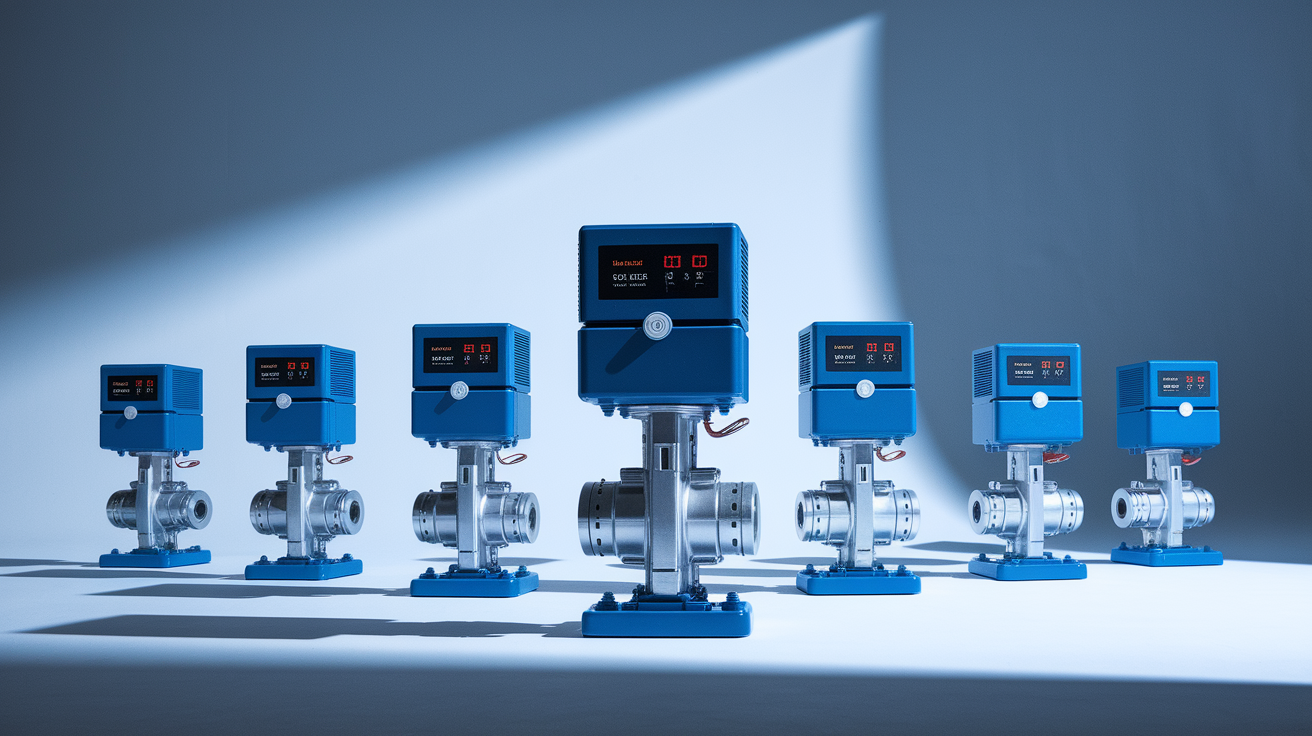
Here’s how the top battery backup sump pump systems compare across price ranges and performance levels.
| Model | Pump Capacity (GPH) | Battery Type | Continuous Runtime | Cycling Runtime | Price Range | Key Features |
|---|---|---|---|---|---|---|
| Budget Entry System | 2,100 GPH | Wet Cell Lead Acid | 5 hours | 36 hours | $300-$450 | Basic alarm, vertical float, CSA rated |
| Mid-Range AGM System | 2,900 GPH | AGM Sealed | 6 hours | 48 hours | $550-$750 | Maintenance-free, UL rated, integrated charger |
| Premium Smart System | 3,600 GPH | AGM Sealed | 7 hours | 60 hours | $850-$1,100 | WiFi monitoring, phone alerts, low-amp motor |
| Heavy-Duty System | 4,200 GPH | Dual AGM | 12 hours | 96 hours | $1,200-$1,600 | Dual battery, cast iron construction, top suction |
| Compact Crawl Space System | 2,400 GPH | AGM Sealed | 5.5 hours | 42 hours | $450-$650 | Low profile, wide temp range, stainless steel |
A battery backup sump pump is your second line of defense when the primary pump can’t keep up. It kicks in during three situations: when the power cuts out, when your main pump fails mechanically, or when water rushes in faster than a single pump can handle. You’re basically doubling your pumping capacity right when things get serious. Think of it like having a spare tire that mounts itself when the first one goes flat.
The timing creates the whole problem. Storms that flood basements are the exact storms that knock out power. Your sump pump sits in rising water but can’t run because the grid’s down. Battery backup solves that by running independently on stored battery power.
When water climbs above where your primary pump normally handles it, the backup system’s own float switch detects the rise and fires up automatically. You don’t flip switches or make decisions. The system watches constantly and responds in seconds. Most homeowners don’t know their backup ran until they check later or get a phone alert.
Choosing Between DC and AC/DC Combination Backup Systems
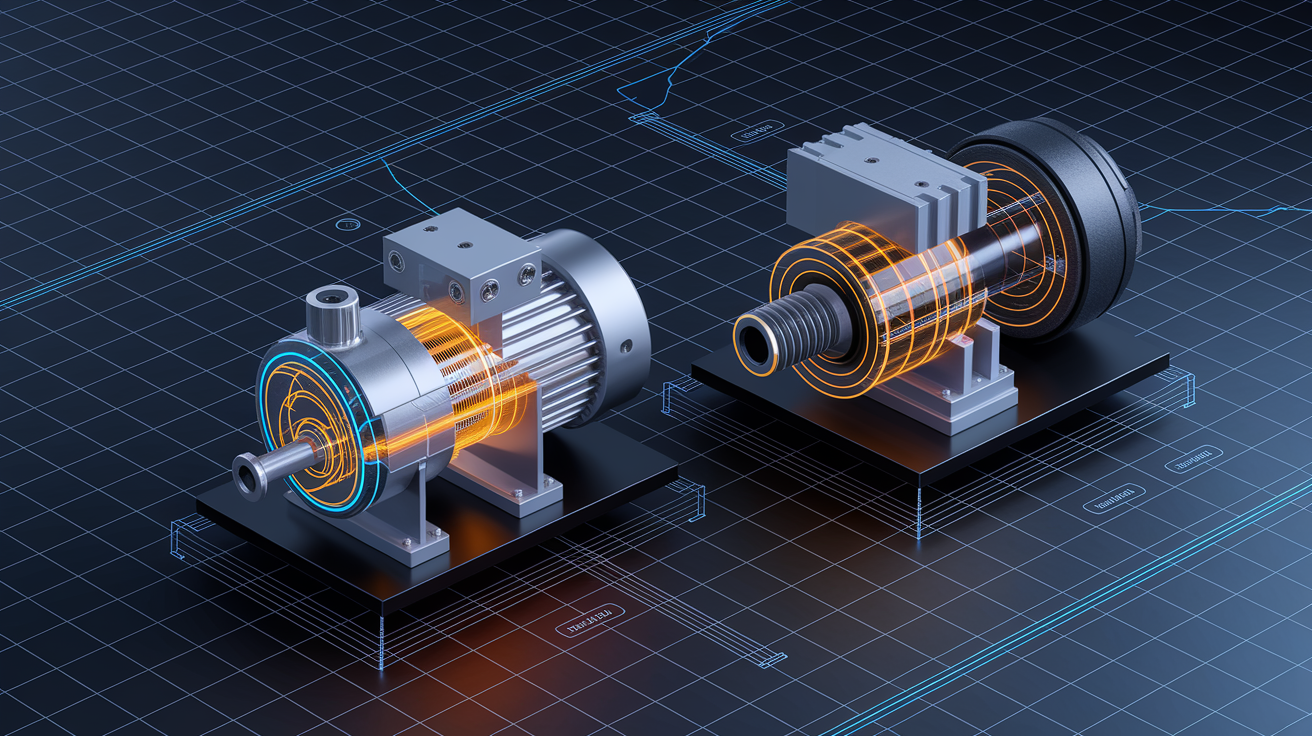
Battery backup sump pumps split into two power setups: pure DC systems and combination AC/DC units.
Pure DC systems run only on battery power. These pumps sit quiet under normal conditions and only wake up when your primary pump can’t handle the load or power dies. The pump, motor, everything’s designed specifically for direct current from a 12 volt or 24 volt marine battery. This dedicated backup role means the battery stays charged and ready, not wearing down from daily cycling.
AC/DC combination systems can run on household current when it’s available and switch to battery during outages. These essentially pull double duty as both primary and backup, though manufacturers don’t really recommend using backup pumps for everyday work. The constant cycling wears components faster than they’re built to handle. Combination systems make sense if you’re installing a completely new setup and want flexibility.
For most people adding backup protection to an existing sump pump, pure DC delivers better value and reliability. Your primary pump handles the routine stuff. The DC backup provides emergency coverage without complicated dual power electronics. If your primary dies completely, you can lean on the backup temporarily while you get repairs sorted, but that’s short term, not everyday use.
Power Source Options: Marine Batteries and Portable Power Stations
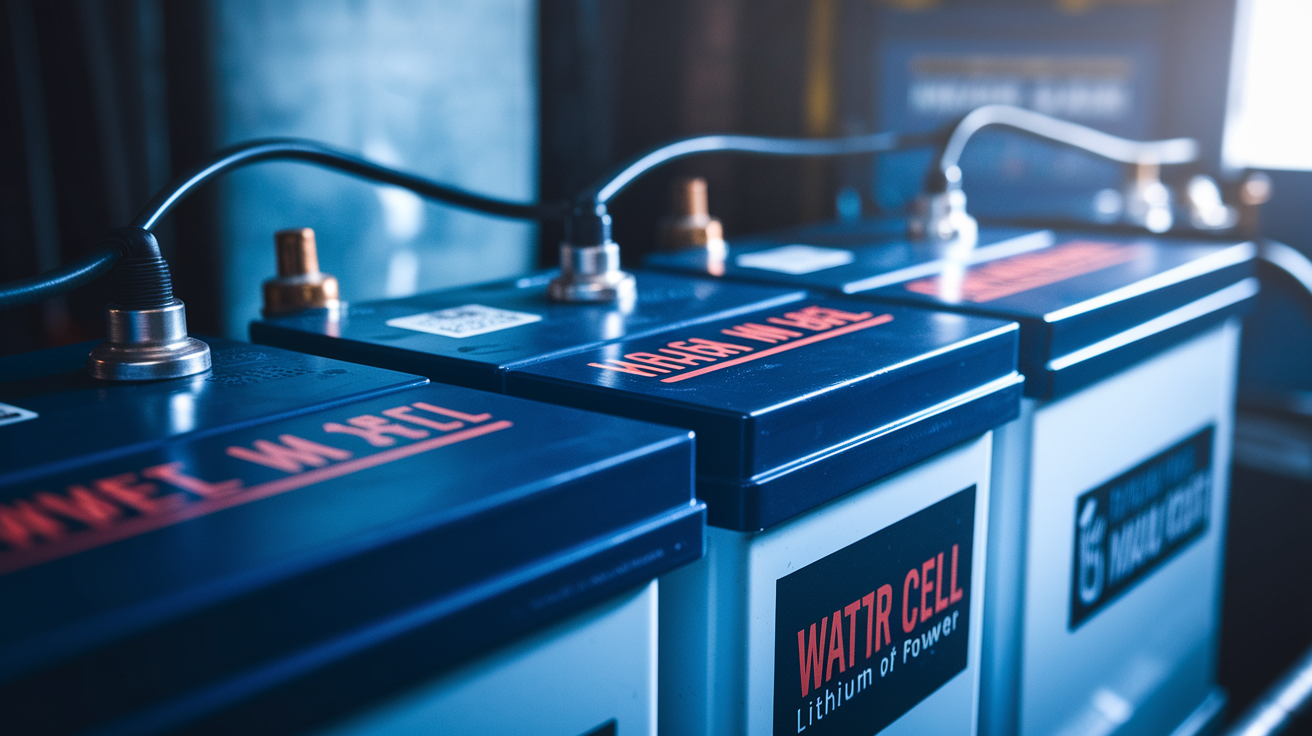
The battery determines how much babysitting you’ll do and how long it lasts before replacement. Marine batteries come in two flavors: wet cell batteries that need maintenance and sealed AGM batteries that don’t.
Wet cell lead acid batteries require checking water levels every few months and topping up with distilled water when the plates show through. You’ll also need to eyeball battery terminals every six months for corrosion, scrubbing with a wire brush and spraying on terminal protector. These typically last three to five years before capacity drops enough to warrant replacement. The maintenance isn’t hard, but you have to remember. Wet cell batteries cost less up front, which makes them popular when budgets are tight.
| Battery Type | Maintenance Required | Typical Lifespan | Cost Range | Best For |
|---|---|---|---|---|
| Wet Cell Lead Acid | Water checks every 3 months, terminal cleaning every 6 months | 3-5 years | $100-$180 | Budget installs, accessible locations |
| AGM Sealed Lead Acid | Terminal inspection only, no water checks | 5-7 years | $200-$350 | Set it and forget it reliability, crawl spaces |
| Lithium LiFePO4 | Performance monitoring via app | 10+ years | $600-$1,200 | Long term value, whole home backup |
Portable power stations offer a different angle entirely. Instead of dedicating a battery just to run a backup pump, you use a portable power station to run your existing primary pump during outages. This works if you already own or plan to buy a power station for broader emergency prep. The catch is having enough starting wattage, because sump pump motors need two to three times more power to start than they draw while running.
A ⅓ horsepower pump typically wants 2,150 watts to start and 800 watts to run. A ½ horsepower pump needs 3,100 to 4,100 starting watts and 1,050 watts running. Check your pump’s nameplate for specifics, but always pad those numbers with a safety margin. The RIVER 2 Pro delivers 800 watts with 1,600 watt surge capacity, enough for smaller ⅓ hp pumps. The DELTA 2 Max provides 2,400 watts running with 5,000 watt surge, covering demanding ½ hp pumps comfortably. The DELTA Pro offers 3,600 watts running and 7,200 watt surge for the beefiest residential pumps. Portable power stations used only for occasional outages could last decades since LiFePO4 battery chemistry is rated for 10 years of daily cycling. The flexibility win is that the same power station backs up your fridge, internet router, and other stuff you can’t live without, not just the sump pump.
| Power Station Model | Running Watts | Surge Watts | Compatible Pump Size | Additional Backup Capability | Runtime Estimate |
|---|---|---|---|---|---|
| RIVER 2 Pro | 800W | 1,600W | ⅓ hp | Refrigerator, router, lights | 4-6 hours continuous |
| DELTA 2 Max | 2,400W | 5,000W | ½ hp | Refrigerator, freezer, medical equipment | 8-12 hours continuous |
| DELTA Pro | 3,600W | 7,200W | ½ hp plus other loads | Whole home critical circuits | 12-20 hours continuous |
Understanding Horsepower Ratings and Pumping Capacity

Residential sump pumps come in two standard horsepower ratings: ⅓ hp and ½ hp. These numbers tell you motor strength, but they don’t directly show how much water the pump actually moves.
Pumping capacity gets measured in gallons per minute (GPM) or gallons per hour (GPH). Most residential sump pumps move between 35 GPM and 60 GPM at typical discharge heights, which works out to 2,100 to 3,600 gallons per hour. A ⅓ hp pump might move 2,400 GPH when pumping water 10 feet up, while a ½ hp pump could move 3,300 GPH at the same height. These numbers drop as vertical lift increases because the motor works harder pushing water higher.
The relationship between horsepower, vertical lift, and horizontal discharge distance determines what you actually get. A pump rated at 3,000 GPH at 10 feet of lift might only deliver 2,200 GPH at 15 feet. If you’re shooting water 50 feet horizontally away from your foundation, pipe friction cuts capacity further. Battery backup pumps typically have lower flow rates than primary pumps because they’re tuned for battery efficiency, not maximum speed.
Starting wattage catches people off guard. A ½ hp pump might draw only 1,050 watts during steady operation, but it needs 3,100 to 4,100 watts for the two or three seconds when the motor spins up from dead stop. This starting surge is why battery capacity matters and why you can’t just divide battery amp hours by running current to get runtime. The voltage sag during startup stresses batteries more than steady moderate draw.
Automatic Float Switch Types and Water Level Detection

Float switches rise with water building up in the sump pit and automatically fire up the pump when water hits a set level. The float attaches to a switch mechanism that closes an electrical circuit once the float tilts or rises past a trigger point.
Vertical float switches move straight up on a rod or shaft as water rises. When the float reaches the top of its travel, it trips the switch. This design works well in tight sump pits because the float doesn’t swing sideways. Vertical floats rarely get stuck against pit walls or tangled with the primary pump’s guts. Battery backup systems typically ship with vertical float switches positioned to trigger several inches above where the primary pump’s float activates, creating layered protection.
Wide angle tethered switches hang from a cable and swing upward as water rises. These switches love getting trapped against the pit wall, snagged on the pump discharge pipe, or twisted up with the primary pump’s float. When a tethered float gets stuck down, the pump never turns on even though water’s climbing. This failure mode is why vertical float switches get recommended for battery backup setups.
Float switch problems you should watch for include physical obstructions like rocks, sticks, or debris blocking free float movement, sediment filling the pit and jamming the float mechanism, mechanical wear making the internal switch contacts fail after thousands of cycles, wrong positioning where the float triggers too late or not at all based on pit size, piggyback connection issues if the float plugs into an adapter instead of wiring direct, and switch replacement signs like erratic activation, delayed response, or complete failure to trigger.
Smart float switches add remote monitoring by shooting phone alerts during high water events. If your primary pump runs nonstop for 30 minutes or your backup pump fires up, you get a notification explaining what’s happening in the pit even if you’re at work or out of town.
Installation and Professional vs DIY Cost Considerations
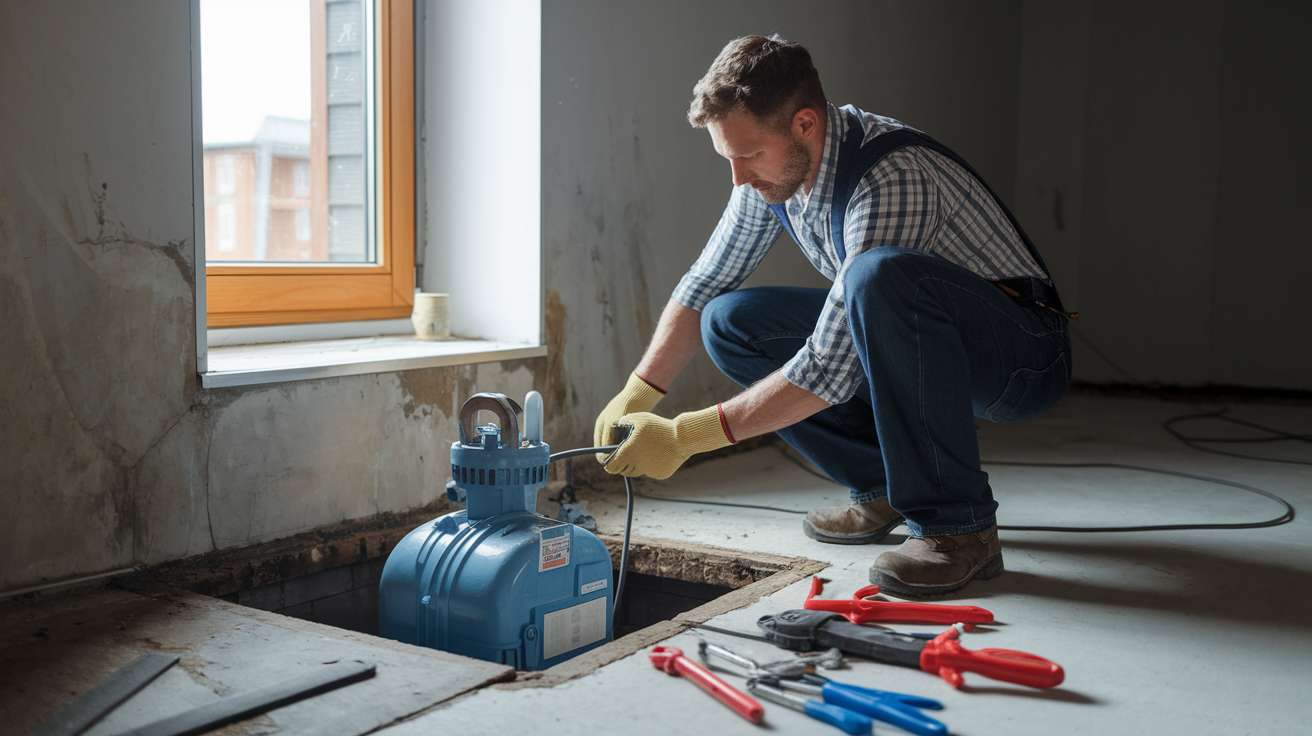
Battery backup systems connect to your existing sump pit and discharge pipe without needing a separate water supply or major plumbing surgery. The backup pump sits in the pit alongside your primary pump, typically mounted slightly higher so it activates after the primary.
Check valves stop water in the discharge pipe from flowing back into the sump pit after the pump shuts off. Without a check valve, the column of water in vertical pipe sections falls back down, refilling the pit and making the pump cycle again immediately. Each system needs its own check valve installed in the discharge pipe a few feet above the pump. The valve has an arrow showing flow direction. Point it away from the pump, and make sure the valve can swing freely without binding.
Basic installation goes like this. Measure pit dimensions to confirm the backup pump and battery fit alongside existing gear. Position the backup pump in the pit using a separate pedestal or mounting bracket so both pumps work independently. Connect the backup pump discharge to the existing primary discharge pipe using a Y fitting or dedicated backup discharge line. Install a check valve in the backup pump’s discharge pipe 2 to 3 feet above the pump outlet. Wire the pump to the battery and connect the battery to its charger following manufacturer color coded diagrams. Test float activation by manually lifting the float switch to make sure the pump starts and water shoots out properly. Verify alarm functions by unplugging the battery charger to fake a power outage and confirming you hear or receive alerts.
Professional installation cuts out guesswork about electrical connections, pipe sizing, and system testing. Plumbers familiar with sump pump work typically charge $300 to $600 in labor to install a battery backup system if the pit and discharge are already set. Complex jobs needing new discharge pipes, pit modifications, or whole home electrical integration can run $800 to $1,500 in labor.
| Installation Type | Equipment Cost | Labor Cost | Total Investment | Skill Level Required | Warranty Implications |
|---|---|---|---|---|---|
| Professional Install | $400-$1,100 | $300-$1,500 | $700-$2,600 | None | Full warranty coverage, permit documentation |
| Assisted DIY | $400-$1,100 | $150-$300 | $550-$1,400 | Moderate | Equipment warranty valid, some installation services |
| Full DIY | $400-$1,100 | $0 | $400-$1,100 | Advanced | Equipment warranty only, no labor coverage |
DIY installation saves $300 to $1,500 but you need mechanical comfort and confidence working around water and electrical systems. You’re following instructions and making pipe connections, which most homeowners can handle with basic tools. The electrical part is low voltage DC wiring to a battery, not household 120 volt circuits, so shock risk drops. Manufacturers design battery backup systems for homeowner installation with detailed instructions.
The long term value math is simple. A basement flood repair costs $5,000 to $25,000 depending on finished space, stuff you lose, and foundation damage. A battery backup system costs $700 to $2,600 installed and runs for 10 to 15 years with basic care. Even a single prevented flood covers the investment many times over.
Smart Monitoring Systems and Alarm Notification Features

WiFi enabled monitoring systems connect battery backup sump pumps to your home network and send status updates, alerts, and diagnostic info to a smartphone app. You can check pump operation, battery charge level, and recent runtime history from anywhere with internet access. When the system spots high water, low battery charge, or pump trouble, it sends an immediate notification explaining what’s wrong.
You’ll get alerts for high water when the backup pump activates, low battery warnings when charge drops below 50%, power outage notifications when the system switches to battery, continuous run alerts if the pump runs for extended stretches without cycling off, and system malfunction warnings if sensors detect electrical or mechanical problems.
Traditional beeping alarms only work if you’re home and close enough to hear. A basement alarm blaring at 2 am might wake you, but an alarm during your workday goes unheard until you get home hours later with inches of standing water. WiFi alarms replace or add to audible alerts with remote notifications, so you know about problems immediately no matter where you are. You can call a neighbor to check your basement, contact a plumber, or bail on work early to handle the situation before small issues turn into major damage.
Integrated smart systems bundle the pump, battery, float switch, alarm, and monitoring module in a coordinated package where everything talks to everything. This gives you more reliable operation than mixing aftermarket smart accessories with standard pumps because the system monitors total performance, not just individual parts.
Sizing Your System: Runtime, Capacity, and Home Requirements
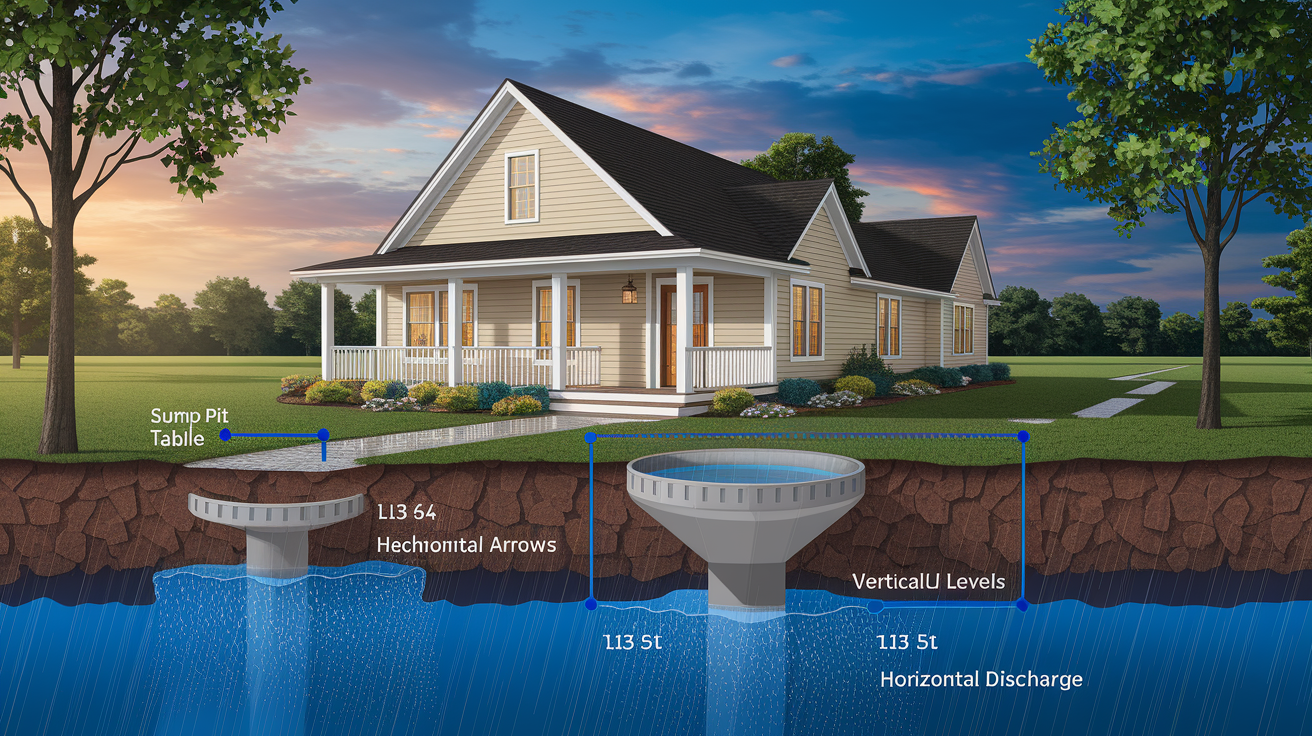
Quality battery backup systems provide 5 to 7 hours of continuous runtime in worst case scenarios where the pump runs nonstop without cycling off. That’s maximum capacity when water inflow matches or beats pumping capacity and the motor never rests.
Real world storm conditions rarely produce continuous operation. Under moderate water inflow with the pump cycling on every 10 or 15 minutes and running for 2 or 3 minutes per cycle, systems can last two to three days before battery depletion. The gap between 6 hours continuous and 60 hours cycling is huge and depends entirely on how fast water enters your sump pit during the outage.
What affects total backup duration? Pumping capacity (GPM) determines how quickly the pump clears water from the pit each cycle. Vertical lift height increases motor load and cuts efficiency, draining batteries faster. Horizontal discharge distance creates friction loss that makes the motor work harder. Battery amp hour rating provides more stored energy for longer total operation. System maintenance condition including clean impellers, clear discharge pipes, and fully charged batteries gets you maximum available runtime.
To figure out your home’s water intrusion rate during heavy storms, watch your primary pump during the next serious rainfall. Count how many times per hour the pump fires up and roughly how long it runs each cycle. If the pump runs every 5 minutes for 90 seconds, that’s 18 minutes of total runtime per hour, or 30% duty cycle. A battery system rated for 6 hours continuous would last about 20 hours at 30% duty cycle. A pump cycling every 15 minutes for 2 minutes represents a 13% duty cycle, stretching battery life to 45 hours or more.
Vertical lift includes basement depth from pump outlet to grade level plus any extra height to reach the discharge point. If your basement floor sits 8 feet below grade and the discharge pipe extends 2 feet above ground before turning horizontal, that’s 10 feet of total vertical lift. Add another foot of equivalent head loss for every 10 feet of horizontal discharge pipe. A discharge line running 50 feet away from the foundation adds about 5 feet of equivalent vertical lift, making total dynamic head 15 feet.
| Basement Size | Typical Water Inflow | Recommended Battery Capacity | Pump GPH Rating | Expected Continuous Runtime | Expected Cycling Runtime |
|---|---|---|---|---|---|
| Small (under 800 sq ft) | Low to moderate | 40-60 amp-hours | 2,100-2,400 GPH | 5-6 hours | 36-48 hours |
| Medium (800-1,500 sq ft) | Moderate | 75-100 amp-hours | 2,900-3,300 GPH | 6-7 hours | 48-60 hours |
| Large (over 1,500 sq ft) | Moderate to high | 120-200 amp-hours | 3,600-4,200 GPH | 7-10 hours | 60-96 hours |
| Crawl Space | Variable | 40-75 amp-hours | 2,100-2,900 GPH | 5-7 hours | 36-60 hours |
Troubleshooting and Preventive Maintenance
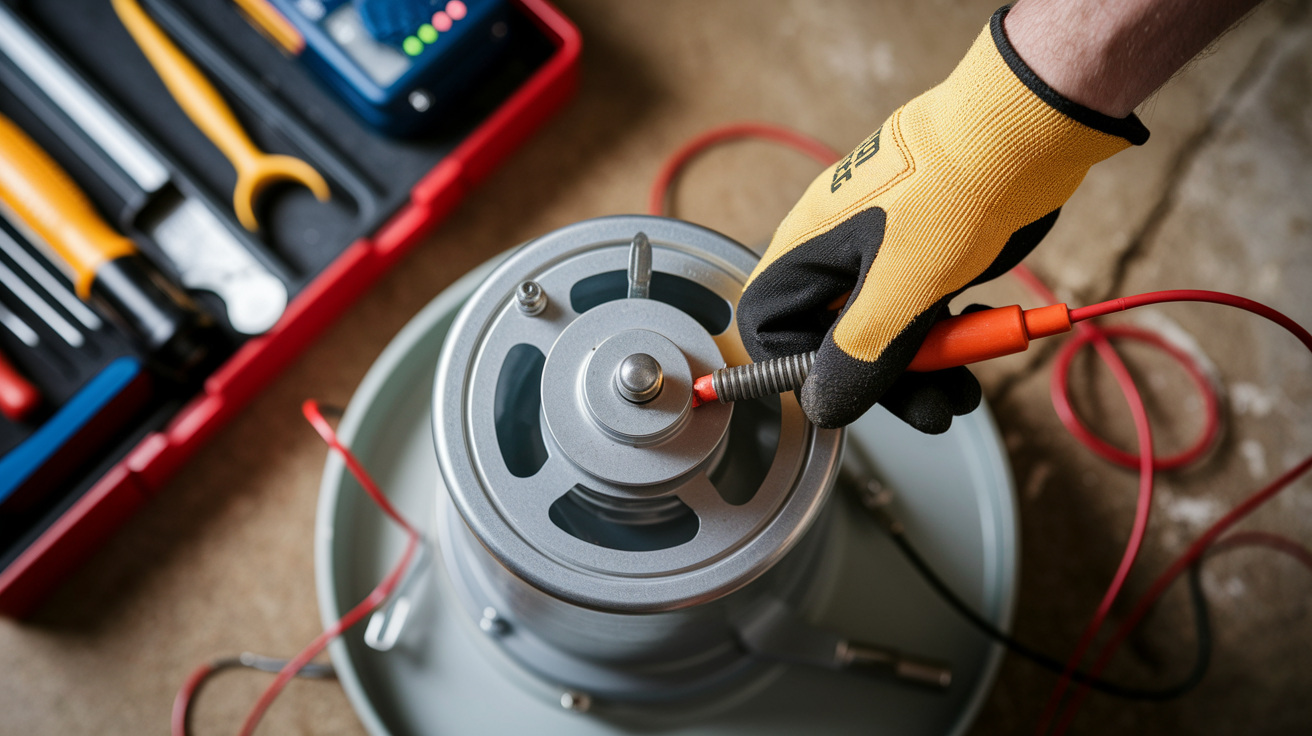
The most common symptoms homeowners see with backup systems point to specific failures you can often diagnose yourself.
Warning signs that something’s wrong include excessive noise like grinding, squealing, or rattling during operation, failure to activate when water rises above the backup float level, irregular cycling where the pump starts and stops rapidly without clearing water, continuous running without the pump shutting off even after water level drops, visible corrosion on pump housing, motor parts, or electrical connections, low battery alerts popping up on the control panel or smartphone app, alarm activation either beeping or remote notifications without obvious cause, reduced flow rate where discharge volume seems weaker than normal, and unusual vibration coming through the pit or discharge pipes.
If the backup pump won’t activate when water rises, start by checking the float switch. Manually lift the float to see if the pump starts. If the pump runs when you lift the float but doesn’t start automatically, the float might be stuck against the pit wall or tangled with other stuff. If lifting the float doesn’t start the pump, check battery connections for corrosion or loose terminals. Use a multimeter to verify battery voltage reads at least 12.5 volts for a 12 volt system.
Irregular cycling usually points to a problem with the check valve or float positioning. A failed check valve lets water fall back into the pit after each pump cycle, making the pump restart every few minutes even though no new water came in. Replace the check valve if you hear water rushing back down the discharge pipe when the pump shuts off.
Regular testing makes sure the system works during emergencies because backup pumps may sit idle for months between uses. Test buttons built into control panels let you verify pump operation without waiting for actual flooding. Press the test button monthly to confirm the pump starts, water discharges, battery holds charge, and alarm systems function. This 30 second check catches most problems before they matter.
Preventive maintenance with recommended timing looks like this. Test button activation monthly to verify pump starts and water discharges. Battery terminal inspection every 6 months, clean corrosion with wire brush and baking soda solution. Water level checks for wet cell batteries every 3 months, top up with distilled water if plates show. Charge indicator verification monthly, confirm the battery charger shows green light or appropriate charge status. Float switch cleaning every 6 months, wipe debris from float mechanism and verify free movement. Discharge pipe inspection annually before storm season, check for clogs, leaks, or freeze damage. Alarm testing monthly, fake failure conditions to confirm audible or remote alerts activate. Full system runtime test quarterly, let pump run through several complete cycles to verify performance under load.
DIY troubleshooting works for obvious problems like stuck floats, loose connections, low battery water levels, and clogged discharge pipes. Call a licensed plumber when you find visible motor damage, burning smells from electrical parts, cracked pump housing, pump failure after voltage and connection checks pass, or recurring problems that keep coming back after temporary fixes. A plumber can figure out whether repair or replacement makes sense based on pump age and condition.
Foundation Protection and Water Damage Mitigation Benefits

Hydrostatic pressure builds when groundwater saturates soil around your foundation during heavy rain or rapid snowmelt. Water looks for the path of least resistance, which often means through foundation cracks, cold joints where floor meets wall, or gaps around utility penetrations. When hydrostatic pressure beats the structural capacity of concrete and waterproofing systems, water forces through, creating active leaks.
Sump pump systems relieve hydrostatic pressure by collecting water from drain tile systems and pumping it away before pressure builds high enough to damage foundation walls. A working primary pump handles this during normal conditions, but battery backup systems keep protection going during power outages when storm related flooding creates peak hydrostatic pressure loads.
Finished basements multiply damage costs exponentially. Drywall, carpet, hardwood, furniture, electronics, and stored stuff all suffer water damage during flooding. Insurance claims for finished basement floods average $15,000 to $30,000 depending on square footage and materials. Unfinished basements with concrete floors and exposed studs limit damage to stored items and mechanical equipment, cutting repair costs significantly.
Protection extends to valuable storage, mechanical systems, and irreplaceable items many homeowners keep in basements. Water heaters, furnaces, electrical panels, and HVAC equipment all fail when submerged. Family photos, documents, holiday decorations, and childhood keepsakes stored in cardboard boxes absorb water and become total losses. A battery backup system prevents these losses by keeping water levels controlled even when grid power fails during critical storm periods.
The peace of mind factor matters for homeowners who travel frequently or work long hours away from home. Knowing your basement stays protected regardless of power availability cuts anxiety during storm warnings. Home resale value benefits from documented sump pump systems including battery backup because buyers recognize the flood protection value. Some insurance providers offer premium reductions for homes with backup sump systems in flood prone areas, offsetting system costs over time.
Building Code Compliance and Insurance Requirements
Some cities require battery backup sump pump systems in new construction or as conditions for basement finishing permits, particularly in areas with documented flooding history or high water tables.
Insurance policy stuff varies by provider and location, but many carriers offer premium reductions of 5% to 15% for homes with documented battery backup systems in flood prone zones. This discount reflects reduced claim risk when properties maintain protection during power outages. Some policies include specific language about sump pump maintenance and backup systems that affect coverage if flooding happens. Review your homeowner’s policy to understand whether sump pump failure is covered and what documentation insurers want after water damage claims.
Real estate disclosure requirements in many states say sellers must inform buyers about past flooding, sump pump installations, and known water intrusion issues. Installing a battery backup system creates a positive disclosure item showing proactive water management rather than hiding problems. Disclosure protections benefit sellers by showing due diligence in maintaining the property and protecting against water damage.
Home inspectors evaluate sump pump systems during property transfers and note configurations in inspection reports. Inspectors check for proper discharge routing, functional float switches, adequate pit depth, and backup systems when present. The presence of a battery backup sump pump often shows up as a positive finding in inspection reports, while the absence of backup protection in flood prone areas may trigger buyer concerns or negotiation points on purchase price.
Storm Season Readiness and Emergency Preparedness Planning
Climate data shows increasing frequency and intensity of extreme weather events over the past two decades across most regions. Hundred year flood events now occur multiple times per decade in some areas. Aging electrical infrastructure struggles to maintain reliability during severe storms, with average power outage duration increasing as utilities face budget constraints and deferred maintenance backlogs.
The stacked threat of simultaneous flooding and power loss creates vulnerability that battery backup systems specifically address. Heavy rainfall saturates ground and overwhelms drainage, while the same storm knocks out electricity through downed lines, flooded substations, or lightning strikes to transformers. Your home faces peak water intrusion exactly when your primary sump pump loses power. Battery backup systems solve this timing problem by maintaining pumping capacity throughout outages.
Regional stuff shapes specific risks. Coastal areas face storm surge from hurricanes and nor’easters. Inland regions see flash flooding from intense thunderstorms and rapid snowmelt. Clay soil areas retain water longer, extending hydrostatic pressure duration. Homes near streams, detention ponds, or in natural drainage paths face higher risk than properties on elevated lots.
Integration with other water management stuff creates comprehensive protection. Battery backup systems work alongside proper grading that slopes away from the foundation, gutters and downspouts that direct roof water away from the building envelope, french drains that intercept surface water, and foundation waterproofing that blocks seepage. Each layer contributes to total flood resistance.
Proactive system installation before storm season matters because emergency buying during active weather limits options. Plumbing supply houses sell out of backup pumps when hurricanes approach or flood warnings issue. Installation scheduling extends to weeks during busy seasons. Homeowners who wait until the sump pit is filling with water during a power outage face limited options and rush installations without proper testing. Install backup systems during dry weather when you have time to test thoroughly and verify proper operation.
Crawl Space Applications and Unique Installation Challenges
Crawl spaces present installation challenges different from full basements because of limited access, height restrictions, and temperature swings. Most crawl spaces provide 18 to 48 inches of vertical clearance, barely enough room to maneuver pumps and batteries into position.
Access limitations affect ongoing maintenance more than initial installation. Dragging a 50 pound battery through a crawl space access panel and positioning it next to a sump pump takes physical effort most homeowners would rather skip. This access difficulty makes maintenance free AGM batteries particularly valuable for crawl space work because you eliminate the need for regular water level checks that require repeated trips into confined spaces.
Temperature tolerance ranges matter in unheated crawl spaces subject to seasonal extremes. Battery performance drops in cold temperatures, with lead acid batteries losing 20% to 50% of capacity when temperatures fall below freezing. Crawl spaces in northern climates can hit temperatures below 20°F during winter cold snaps. AGM batteries tolerate cold better than wet cell batteries, and lithium batteries maintain performance across wider temperature ranges. If winter temperatures regularly drop below freezing in your crawl space, consider insulating the battery or using lithium technology rated for cold weather operation.
Ventilation requirements prevent battery gas buildup in confined spaces. Lead acid batteries release small amounts of hydrogen gas during charging, which is flammable in sufficient concentrations. Crawl spaces need adequate ventilation through foundation vents or powered ventilation fans to prevent gas accumulation. AGM sealed batteries release far less gas than wet cell batteries, cutting ventilation concerns. Lithium batteries produce no gas during normal operation. Check local building codes for crawl space battery installation requirements, particularly regarding ventilation and electrical specs.
Noise Level Ratings and Quiet Operation Importance
Battery backup pumps typically operate at 65 to 80 decibels during normal cycling, comparable to a washing machine or dishwasher. This noise level matters little in unfinished utility basements where occasional pump operation causes no disruption.
Finished basements with living spaces, bedrooms, home offices, or entertainment areas require quieter operation. Pump noise includes motor operation, water rushing through discharge pipes, and check valve closure when the pump cycles off. These sounds become particularly noticeable during nighttime operation when ambient sound levels drop. A pump starting at 2 am can wake light sleepers in finished basement bedrooms.
Submersible pumps that sit fully underwater in the sump pit run quieter than pedestal pumps with exposed motors. Water surrounding submersible pump housings dampens vibration and muffles motor noise. Battery backup pumps are typically submersible designs for this reason.
Noise reduction strategies include vibration isolation pads placed under the pump base to absorb vibration that transmits through the floor, insulated pit covers that seal the top of the sump basin and block sound from escaping into living spaces, discharge pipe isolation using flexible rubber couplers to prevent vibration from traveling through rigid PVC piping, motor selection focusing on models with noise ratings below 70 decibels for quiet operation, and strategic pump placement locating the sump pit in utility rooms or mechanical spaces away from living areas when possible during new construction.
Winterization Procedures and Freeze Protection Strategies
Discharge pipes that exit above ground level can freeze during winter, creating ice blockages that prevent water discharge. When the pump activates but water can’t escape through frozen pipes, pressure builds until the pump shuts off on thermal overload protection. Water backs up into the sump pit, defeating the entire system.
Insulation strategies for exposed discharge lines include foam pipe insulation rated for outdoor use, heat tape wrapped around pipes in vulnerable sections, and burying discharge lines below frost depth where local codes and grading allow. The most vulnerable sections are
Final Words
A battery backup sump pump gives you protection when you need it most—during the storms that knock out power and cause flooding at the same time.
Pick a system that matches your water intrusion rate, vertical lift, and runtime needs. Test it regularly, keep up with battery maintenance, and make sure your discharge line won’t freeze in winter.
The investment pays off the first time your basement stays dry during a blackout instead of turning into a cleanup disaster.
FAQ
Is a battery backup sump pump worth it?
A battery backup sump pump is worth it because it protects your basement during power outages that typically occur during the same storms causing flooding. The cost of the system is far less than repairing water damage to your foundation, belongings, and finished spaces.
Can you put a battery backup on an existing sump pump?
You can put a battery backup on an existing sump pump by installing a separate DC-powered backup pump in the same pit that connects to your current discharge line. Most backup systems are designed to work alongside your primary pump without modifications.
How long will a battery backup last on a sump pump?
A battery backup will last 5 to 7 hours of continuous pumping during heavy flooding, or 2 to 3 days when the pump cycles every 10 to 15 minutes under moderate water inflow. Runtime depends on battery size, pump capacity, and how often the pump activates.
Do they make a battery operated sump pump?
Battery operated sump pumps exist as dedicated DC backup units that run only on battery power during outages. Some combination AC/DC systems can operate on household power normally and automatically switch to battery backup when power fails.
What type of battery works best for sump pump backup systems?
AGM sealed lead acid batteries work best for most sump pump backup systems because they require no maintenance, last 3 to 5 years, and handle deep discharge cycles well. Lithium LiFePO4 batteries in portable power stations offer longer lifespan but cost more upfront.
How do I know what size backup pump I need?
You know what size backup pump you need by measuring your typical water inflow rate during storms and calculating the vertical lift from your pit to discharge point. Match the pump’s GPH capacity to handle your basement size and water table conditions.
What is the difference between a primary and backup sump pump?
The difference between a primary and backup sump pump is that the primary pump runs on household AC power and handles normal water removal, while the backup pump operates on battery power during outages or when the primary pump fails or becomes overwhelmed.
How often should I test my battery backup sump pump?
You should test your battery backup sump pump monthly using the test button to verify pump activation, and perform a full runtime test quarterly by unplugging the primary pump and letting water rise to trigger the backup system naturally.
Can I install a battery backup sump pump myself?
You can install a battery backup sump pump yourself if you have basic plumbing skills and can safely work with DC electrical connections. The installation involves positioning the pump in your pit, connecting to the discharge line, and wiring the battery and charger.
What maintenance does a battery backup sump pump require?
A battery backup sump pump requires monthly testing, checking battery terminals every six months for corrosion, replacing wet cell battery water levels quarterly if applicable, and replacing sealed lead acid batteries every 3 to 5 years depending on usage and conditions.
Will my homeowners insurance cover a battery backup sump pump?
Your homeowners insurance may offer premium discounts for installing a battery backup sump pump in flood-prone areas, but the system itself typically is not covered. Some policies require backup systems in high-risk zones to maintain coverage for water damage claims.
How do float switches activate battery backup pumps?
Float switches activate battery backup pumps by rising with the water level in your sump pit and triggering the pump motor at a predetermined height set above your primary pump’s float level. Vertical float switches are more reliable than tethered designs that can jam.
Can a portable power station run my existing sump pump?
A portable power station can run your existing sump pump if it provides sufficient starting watts to overcome the motor’s initial surge requirement. A half-horsepower pump typically needs 2400W running power with 5000W surge capacity for reliable operation.
What causes a battery backup sump pump to fail?
A battery backup sump pump fails most often due to dead or sulfated batteries from lack of maintenance, stuck float switches blocked by debris, corroded battery terminals preventing charging, or clogged discharge lines that prevent water from leaving the pit.
How loud are battery backup sump pumps when running?
Battery backup sump pumps are quieter than primary AC pumps because they run at lower speeds on DC power. Noise levels matter most in finished basements near living spaces, where submersible backup pumps produce less sound than pedestal-style units.
Do I need a check valve on my backup sump pump discharge line?
You need a check valve on your backup sump pump discharge line to prevent water from flowing back into the pit after the pump shuts off. Without it, the pump runs more frequently and wastes battery power by re-pumping the same water.
What’s the difference between DC and AC/DC combination backup systems?
The difference between DC and AC/DC combination backup systems is that pure DC systems only run on battery during outages, while combination systems operate as your primary pump on household power and automatically switch to battery backup when power fails.
How do I winterize my battery backup sump pump?
You winterize your battery backup sump pump by insulating exposed discharge pipes, ensuring the pit doesn’t freeze, protecting the battery from extreme cold that reduces performance, and testing the system before winter storms arrive to verify proper operation.
Can battery backup sump pumps handle sewage or gray water?
Battery backup sump pumps handle clean groundwater from foundation drains but should not pump sewage or contaminated water. For sewage ejector applications, you need a specifically designed sewage pump system rated for solids and corrosive waste.
How do smart monitoring systems improve battery backup pumps?
Smart monitoring systems improve battery backup pumps by sending phone alerts when water levels rise, batteries run low, or the system malfunctions. This replaces traditional beeping alarms you might miss and allows you to respond remotely before damage occurs.