

Your primary sump pump works great when the power’s on. But what happens when a storm knocks out electricity right when you need it most? A battery backup sump pump is the only thing keeping your basement dry during power outages and primary pump failures. The right system delivers hours of runtime, automatic activation, and real protection when grid power drops at the worst possible time. This guide breaks down the top performing models, what the specs actually mean in your basement, and how to match backup capacity to your flooding risk without overspending on features you’ll never use.
Top Battery Backup Sump Pump Models and Rankings
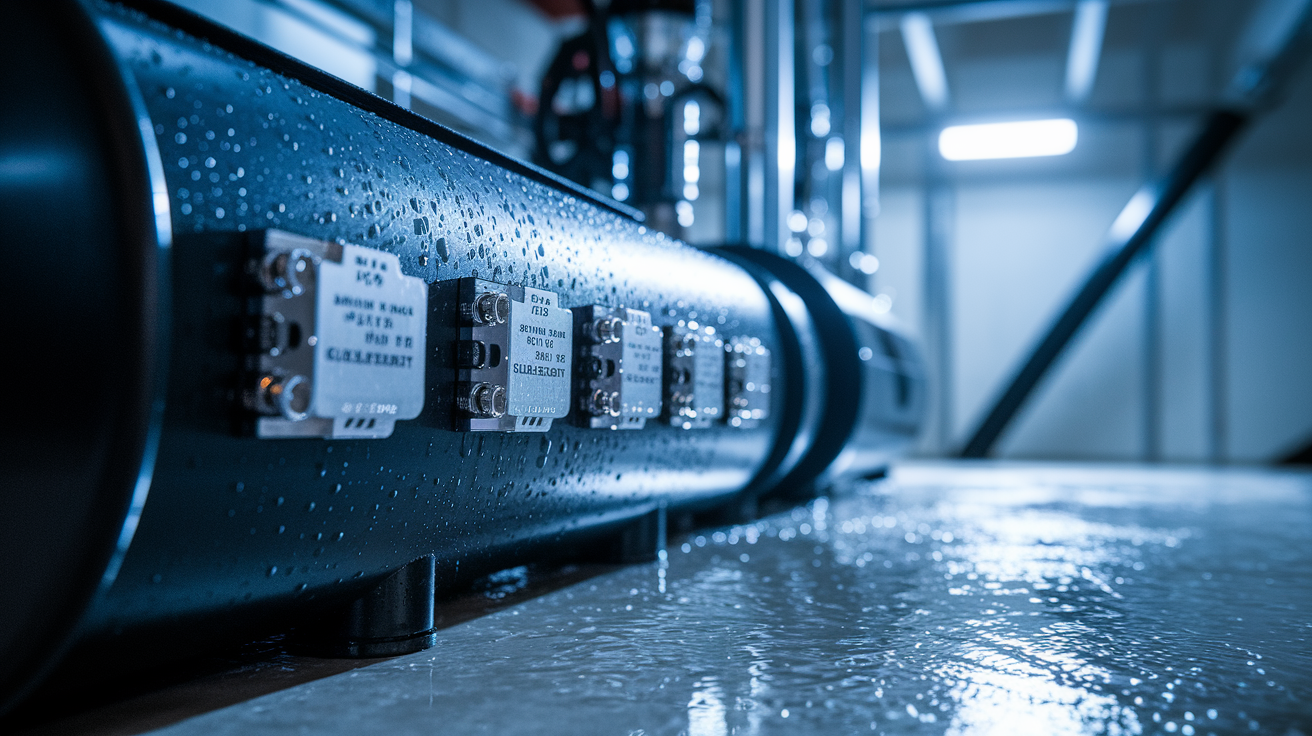
When your primary pump quits during a storm or the power goes out at 2 a.m., a reliable battery backup system is the only thing standing between your basement and serious water damage. These selections are based on continuous runtime performance, real world discharge capacity, reliability testing results, and total cost of ownership over a 10 year period.
| Model/Rank | Pump Capacity (GPH) | Runtime Continuous | Runtime Cycling | Battery Type | Battery Lifespan | Pumping Height (ft) | Material Construction | Noise Level | Price Range | Best For |
|---|---|---|---|---|---|---|---|---|---|---|
| Rank 1 | 4800 GPH | 6-7 hours | 2.5-3 days | AGM | 5-7 years | 15 ft | Cast Iron | 68 dB | $450-650 + $200 battery | Large basements, high water table |
| Rank 2 | 3600 GPH | 6-7 hours | 2-3 days | AGM | 5-7 years | 12 ft | Thermoplastic | 65 dB | $350-500 + $180 battery | Standard basements, moderate flooding |
| Rank 3 | 3000 GPH | 5-6 hours | 1.5-2.5 days | Lead-Acid | 3-5 years | 10 ft | Thermoplastic | 70 dB | $300-400 + $120 battery | Budget-conscious, small basements |
| Rank 4 | 2400 GPH | 5-6 hours | 1.5-2 days | Lead-Acid | 3-5 years | 10 ft | Thermoplastic | 72 dB | $250-350 + $110 battery | Crawlspaces, occasional water issues |
| Rank 5 | 2000 GPH | 5 hours | 1-2 days | Lead-Acid | 3-5 years | 8 ft | Thermoplastic | 74 dB | $200-300 + $100 battery | Light-duty backup, minimal flooding |
Discharge capacity numbers mean different things depending on your actual pumping conditions. A pump rated at 4800 gallons per hour at zero head (sitting flat on the ground) might only deliver 2400 gallons per hour when lifting water 10 feet up and out through your discharge pipe. Maximum head specs tell you the absolute highest vertical lift the pump can handle before flow stops completely, but real world water removal rate drops significantly as you approach that limit. Amperage rating matters because higher amp draw drains the battery faster. A pump pulling 10 amps continuously will deplete a 75 amp hour battery in roughly 7 hours, assuming perfect conditions you never actually get in a wet basement.
Cast iron construction holds up better in continuous duty scenarios and resists corrosion from minerals in groundwater. It weighs more and costs more. Thermoplastic housing keeps the price down and works fine for occasional cycling, though long term corrosion resistance depends on water chemistry in your area. Battery life expectancy varies dramatically. Lead acid wet cell batteries cost 100 to 150 dollars and last 3 to 5 years with regular maintenance (checking fluid levels, keeping terminals clean). AGM maintenance free batteries run 180 to 250 dollars and last 5 to 7 years with zero upkeep. LiFePO4 batteries used in some portable power station setups last 10+ years with 4000+ cycles but carry much higher upfront costs. Over a 10 year period, you’ll replace lead acid batteries twice (300 to 450 dollars total in replacements), AGM batteries once (180 to 250 dollars replacement), or LiFePO4 never. Material construction and battery technology choices directly impact value. Paying more upfront for AGM and cast iron often costs less over time than replacing cheap lead acid batteries every three years.
If you have a large basement with a high water table or live in an area with frequent power outages during storms, look for discharge capacity around 3600 to 4800 GPH with AGM or LiFePO4 battery chemistry. Standard basements with moderate flooding risk work fine with 2400 to 3600 GPH systems. Small crawlspaces or basements with minimal water issues can use 2000 GPH pumps. All top rated models feature automatic activation when water rises and work with standard check valves on discharge pipes. Warranty coverage matters. Systems with 3 to 5 year warranties signal manufacturer confidence, while 1 year warranties suggest you’re buying the absolute minimum.
Battery Backup System Types and Power Configurations
DC Only Backup Pump Systems
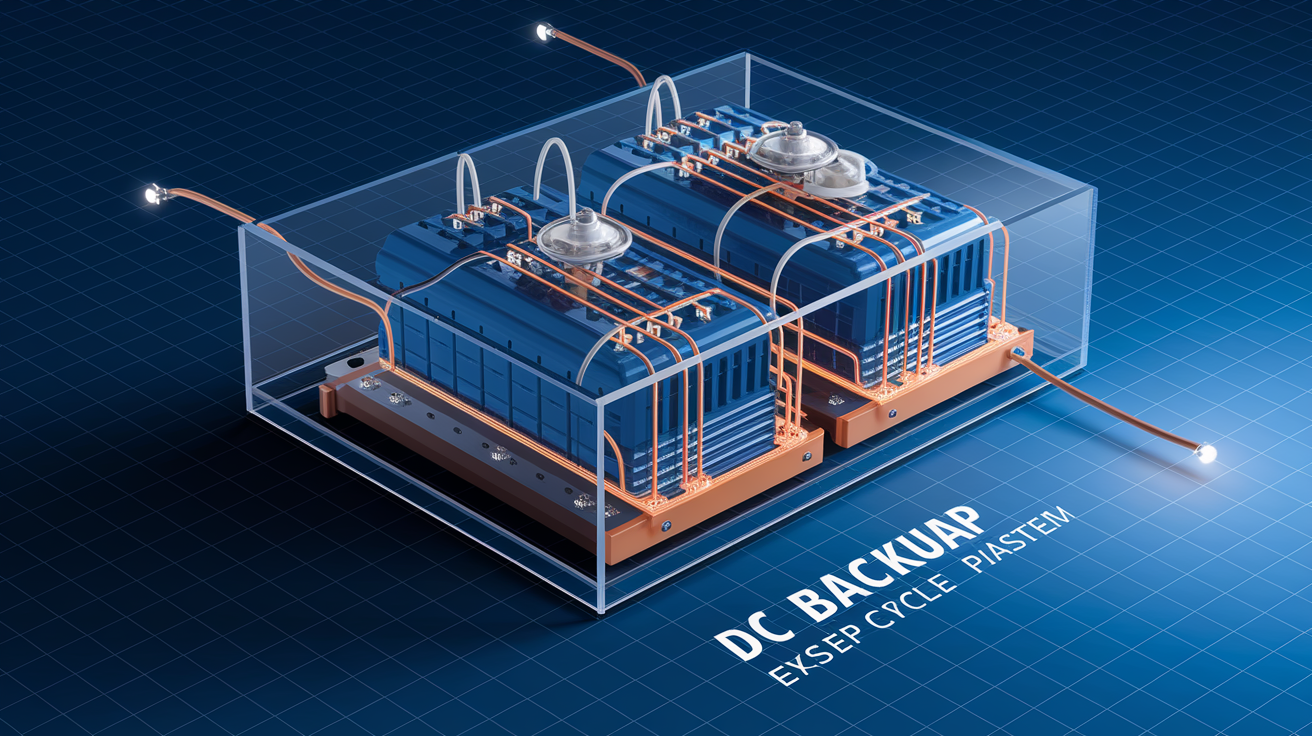
A DC only backup pump installs right next to your primary AC powered pump in the same sump basin. It runs on 12 volt power from a deep cycle marine battery, using a separate float switch set slightly higher than your primary pump’s switch. When water rises past the primary pump’s normal trigger point (because the power went out, the primary pump failed mechanically, or it just can’t keep up), the backup pump kicks in automatically. This secondary pump operates completely independently from your home’s electrical system, so it doesn’t care if the breaker is off or the whole neighborhood is dark.
Most DC backup pumps use submersible designs that sit in the water, though some pedestal configurations mount the motor above the basin. The DC motor runs more efficiently on battery power than trying to convert battery voltage to AC, which is why these systems typically deliver 5 to 7 hours of continuous runtime or 2 to 3 days of cycling operation when the pump only runs every 10 to 15 minutes during moderate rainfall.
Combination AC/DC Inverter Systems
Combination systems take a different approach by converting battery DC power into AC power that runs your existing primary pump during an outage. An inverter unit sits between the battery and your pump’s power cord, automatically switching to battery power the moment grid power drops. This setup eliminates the need to install a second pump in your sump basin, which helps in tight spaces where fitting two pumps becomes a problem.
The main tradeoff is efficiency. Converting DC to AC wastes some energy, which shortens runtime compared to a dedicated DC backup pump. But if your primary pump already handles your typical water volume well, you might prefer keeping that same performance during an outage rather than switching to a smaller backup pump with lower discharge capacity. Combination systems also simplify discharge pipe requirements since you’re only running one pump, just from two different power sources.
Smart Monitoring and WiFi Enabled Features
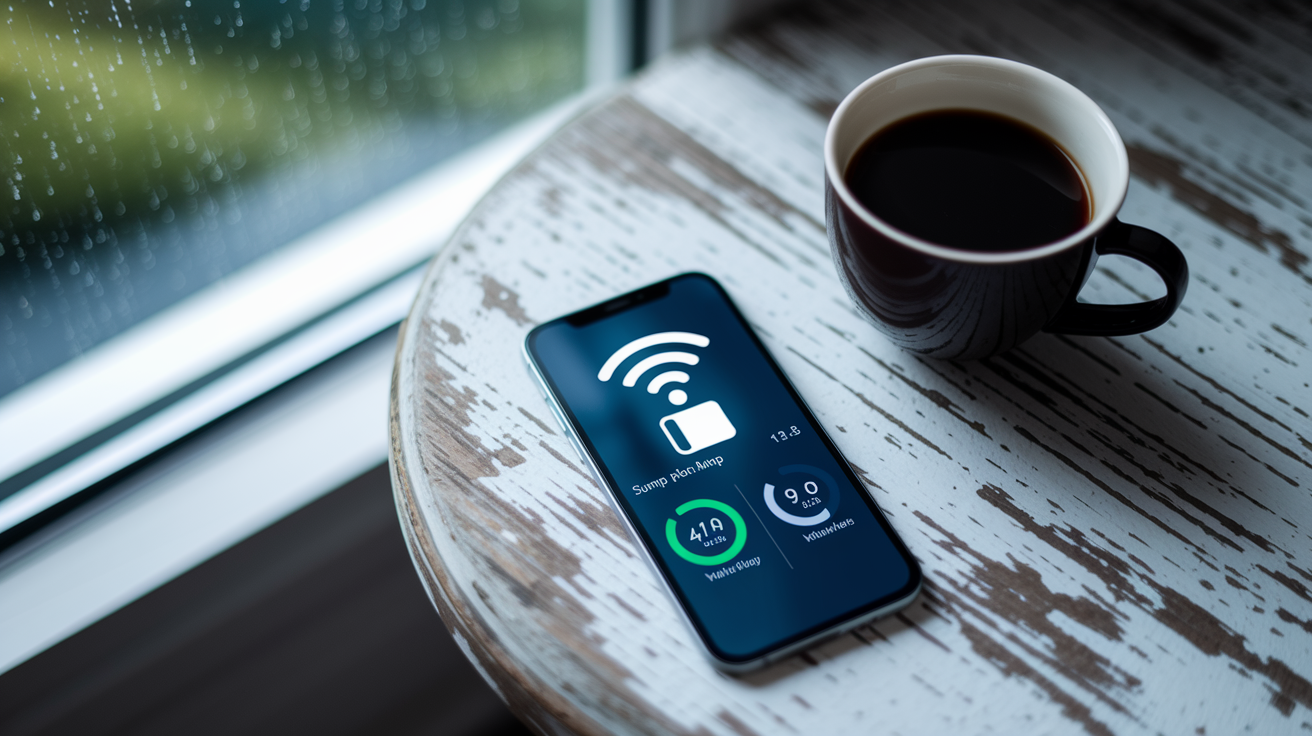
WiFi connectivity lets you check on your sump pump system from anywhere using your phone. When you’re at work and a severe weather warning pops up, you can verify the battery is charged and the system is ready. When you’re on vacation three states away, you get a notification if the water level rises or the backup pump activates.
Smart home integration provides real time battery monitoring so you know if the battery voltage is dropping below safe levels before an emergency hits. High water alarm notifications hit your phone immediately instead of relying on a beeping alarm in the basement that nobody hears when they’re upstairs or away from home. Some systems send low battery warnings days in advance, giving you time to troubleshoot charging problems or replace an aging battery before the next storm.
Complete smart sump pump systems coordinate all components (primary pump, backup pump, battery, float switches, and alarm) through a central control unit. These integrated setups track pump cycles, monitor runtime patterns, and alert you to unusual behavior that might signal a clog, failing switch, or increased groundwater pressure. The peace of mind during storm response is knowing exactly what’s happening in your basement without going down to check every hour.
Charging Systems and Power Management

A battery sitting on a shelf loses charge over time, and a battery that goes completely dead might not recover properly. That’s why automatic charging systems stay connected to your backup battery at all times.
Trickle charger operation maintains batteries at full charge using low amperage grid power that continuously tops off the battery without overcharging, similar to how a battery tender works on a stored vehicle. Solar panel integration options let you recharge batteries during extended outages when grid power stays down for days, though you need outdoor panel placement and compatible charging controllers. Energy efficiency considerations matter because some older charger designs waste power as heat, while modern smart chargers only draw current when the battery needs it. Grid powered automatic charging keeps batteries ready 24/7 by monitoring voltage and applying charge cycles automatically without any action required from you. Battery drainage causes to avoid include leaving the battery disconnected from the charger, running the backup pump for testing without recharging afterward, and extreme temperature exposure that accelerates self discharge rates.
Proper charging system selection ensures your battery stays at full capacity for heavy rainfall protection and spring thaw defense when basements take on water most. During extended storm response periods, a well maintained AGM battery on a quality charger provides 5 to 7 hours of continuous pumping or 2 to 3 days with normal cycling, assuming the battery was at 100 percent when the power dropped. During spring thaw defense scenarios when water table management becomes critical for weeks at a time, solar panel integration options can extend backup duration by recharging during daylight hours even if the grid stays down.
Automatic Activation and Safety Components

Float switches trigger your backup pump the moment water rises above the safe level. This small plastic or stainless steel switch rides up with the water surface and closes an electrical circuit when it reaches the preset height, sending power to the pump motor.
Vertical float designs use a floating ball that slides up and down a fixed rod, taking up minimal space in narrow sump basins but occasionally sticking if debris builds up around the rod. Tethered float mechanisms hang from a cable and swing upward as water rises, requiring more clearance but less prone to jamming from sediment.
High water alarms add a second layer of notification when the first line of defense fails. These alarms trigger at a water level above both your primary and backup pump float switches, letting you know the system is overwhelmed or something stopped working. Low battery indicators warn you before an emergency that the backup system won’t have enough power to run when needed, giving you time to charge or replace the battery instead of discovering the problem during a power outage.
Modern audible alert systems include WiFi connectivity that sends phone notifications in addition to beeping. When a high water event happens at 3 a.m., the traditional beeping alarm wakes up anyone sleeping in the basement but does nothing if you’re on the second floor with the door closed. WiFi enabled alerts hit your phone no matter where you are, and smart float switch technology lets you monitor water level trends remotely so you can see if the pit is filling faster than normal even before the alarm triggers.
Installation Requirements and Sump Basin Compatibility

Most sump basins measure 18 to 24 inches in diameter, which usually accommodates a primary pump and a backup pump side by side. But check your actual pit diameter before ordering a backup system because some older or smaller pits require creative placement.
Check valve placement on the discharge pipe for both primary and backup pumps prevents water from flowing backward and refilling the pit when the pump shuts off. You need one on each pump’s discharge line positioned just above the pump within easy reach for replacement. Discharge pipe routing can use a shared pipe where both pumps feed into one discharge line, or separate pipes that run independently to daylight or your drainage system. Separate pipes reduce backpressure and eliminate the risk of one pump’s check valve failure affecting the other pump. Battery elevation positioning requires keeping the battery on a shelf or platform at least 6 to 12 inches above the basement floor to prevent corrosion from moisture and give you clearance if minor seepage occurs near the sump pit.
Electrical requirements connections for DC backup pumps only involve connecting battery cables to the pump and control unit using the supplied hardware, with no household wiring modifications needed. Combination AC/DC systems require plugging the inverter into a standard outlet. Testing procedures include manually lifting each float switch to verify the correct pump activates and running both pumps for a few minutes to confirm they discharge water properly and the battery provides adequate power.
Professional installation runs 600 to 1200 dollars for a complete setup including pump placement, discharge pipe modifications, battery mounting, and system testing. DIY setup capability depends on your comfort working around water and basic electrical connections. Connecting a DC backup pump to a battery uses simple positive and negative terminals similar to jump starting a car, and most homeowners can handle it with basic hand tools and careful attention to the instructions.
Sump basin compatibility becomes an issue when your existing pit is too small, too shallow, or already crowded with a primary pump that takes up most of the space. Some backup pumps use compact designs specifically for tight spaces, while others require wider pits or modifications to create clearance. If your current basin measures less than 18 inches across or the primary pump sits right in the center, you might need to install the backup pump in a second smaller pit connected to the main basin, or replace the primary pump with a narrower model that leaves room for the backup.
Separate discharge pipes eliminate the single point of failure that comes with shared discharge lines, and they prevent the backup pump from fighting against the primary pump’s check valve when both pumps run simultaneously. Keeping batteries elevated and dry prevents terminal corrosion that causes weak connections and shortened battery life. Moisture and concrete floors accelerate sulfate buildup on lead acid battery terminals even with maintenance free AGM designs.
Maintenance Schedule and Troubleshooting

Proper maintenance requirements directly impact how well your backup system performs during an actual power outage. They determine whether your battery lasts 3 years or 7 years. Skipping maintenance is how you end up with a backup pump that won’t run when you need it.
| Frequency | Maintenance Task | Purpose |
|---|---|---|
| Monthly | Manually lift float switches on both primary and backup pumps | Verify automatic activation triggers correctly and pumps discharge water |
| Quarterly | Check battery fluid levels on lead-acid batteries, inspect terminals for corrosion | Maintain proper electrolyte levels and clean electrical connections for reliable power delivery |
| Seasonal (Spring/Fall) | Test system under load by unplugging primary pump and letting backup run through several cycles | Confirm backup pump and battery handle real world pumping demands before heavy rainfall seasons |
| Annually | Clean sump pit by removing debris, sediment, and buildup from bottom and around float switches | Prevent clogged intake screens and stuck float switches that cause pump failures |
| Every 3-5 years (Lead-Acid) or 5-7 years (AGM) | Replace backup battery before it fails during an emergency | Maintain full runtime capacity and avoid complete system failure from dead battery |
| Before winter in unheated spaces | Insulate exposed discharge pipes and verify battery charger maintains charge in cold temperatures | Prevent frozen discharge lines and battery performance loss in freezing conditions |
Troubleshooting common problems starts with pump cycling issues. If the backup pump runs constantly or turns on and off every few seconds, check for a stuck float switch, a failed check valve letting water drain back into the pit, or discharge pipe blockage that prevents proper water removal. Switch malfunction often shows up as a pump that won’t start even when you lift the float manually, which usually means corroded connections at the switch terminals or a failed float switch that needs replacement. Clogged intake screens at the pump’s water inlet reduce flow and cause the motor to run longer than normal, making distinctive struggling sounds before eventually overheating. Sediment buildup around the float switch prevents it from moving freely, and regular backup pump testing catches these issues before they matter during an actual emergency pumping system activation.
Long Term Cost Analysis and Value Assessment

FEMA data shows basement flooding causes up to 25,000 dollars in damage from just one inch of water. Ruined drywall, destroyed flooring, damaged furnace and water heater, contaminated insulation, and mold remediation costs add up fast. A battery backup system is damage prevention, not an expense.
Budget friendly options start around 200 to 450 dollars for the pump hardware without battery. Premium systems with cast iron construction, higher GPH capacity, and smart monitoring run 500 to 800 dollars. Professional installation adds 600 to 1200 dollars to the upfront investment if you’re not comfortable with the DIY setup. For a complete analysis over 10 years, a lead acid wet cell system costs 400 dollars initially plus 2 to 3 battery replacements at 125 dollars each (total around 650 to 775 dollars). An AGM system costs 550 dollars upfront plus 1 to 2 battery replacements at 215 dollars each (total around 765 to 980 dollars). LiFePO4 systems in portable power station configurations cost 1500 to 2500 dollars initially but require zero battery replacements over a decade, bringing the 10 year total to the same 1500 to 2500 dollars. When you calculate total cost of ownership, LiFePO4 wins on the high end for zero maintenance peace of mind. But mid range AGM systems offer the best value for most homeowners. The sweet spot between upfront cost and replacement frequency.
Warranty coverage serves as a value indicator because manufacturers only back their products long term when they’re confident in reliability. Systems with 3 to 5 year warranties signal better engineering and quality control than 1 year warranties that barely cover initial defects. Some insurance companies offer small premium reductions when you document a professionally installed backup sump system, though the bigger insurance consideration is avoiding a flood claim that raises your rates for years. This purchase functions as property value safeguarding that pays for itself by preventing a single flooding event. It’s peace of mind that lets you sleep through storms instead of lying awake wondering if the power stayed on and the pump is still running.
Final Words
Your basement protection comes down to matching pump capacity, battery chemistry, and runtime needs to your specific flooding risk.
The best battery backup sump pump for a small crawlspace looks different than what a deep basement with high water table demands.
Start with your pit size and typical water volume, then work backward through discharge capacity and battery cost over time.
A system that runs dry for years and activates flawlessly during the one storm that matters is worth every dollar of upfront investment and routine testing.
FAQ
Are battery backup sump pumps worth it?
Battery backup sump pumps are worth it because they prevent basement flooding during power outages that can cause up to $25,000 in damage from just one inch of water according to FEMA. A backup system costing $800 to $1,650 installed protects your home during storms when you need pumping most.
What is the best battery for a sump pump backup?
The best battery for a sump pump backup depends on your budget and maintenance preference. AGM maintenance-free batteries costing $180 to $250 deliver 5 to 7 years of life with no upkeep, while LiFePO4 batteries last 10 plus years with 4,000 plus cycles but cost more upfront.
Who makes the best backup sump pump?
The best backup sump pump manufacturer depends on your specific needs for discharge capacity, runtime, and basement size. Top-rated models range from 2,000 GPH quarter-HP pumps for small spaces to 6,000 GPH one-HP systems for larger basements with high water tables and frequent flooding risk.
How long will a battery backup for a sump pump last?
A battery backup for a sump pump will last 5 to 7 hours of continuous pumping in worst-case flooding scenarios. Under moderate conditions with the pump cycling every 10 to 15 minutes, backup systems can run 2 to 3 days before battery depletion, depending on workload and vertical lift requirements.
How often should I replace the battery in my sump pump backup?
You should replace the battery in your sump pump backup every 3 to 5 years for standard lead-acid batteries, every 5 to 7 years for AGM batteries, or after 10 plus years for LiFePO4 batteries. Regular monthly testing and quarterly fluid checks for lead-acid types extend battery life expectancy.
What is the difference between DC-only and combination AC/DC backup sump pump systems?
DC-only backup sump pump systems use a separate 12V pump that activates when water rises, while combination AC/DC systems convert battery power to run your existing primary pump during outages. Combination systems eliminate the need for a second pump installation and reduce space limitations in your sump basin.
Do I need separate discharge pipes for my backup sump pump?
You do not strictly need separate discharge pipes for your backup sump pump, but separate pipes reduce pressure on check valves and prevent backflow issues. A shared discharge configuration works if space is tight, but two pipes provide better reliability and easier troubleshooting during pump cycling.
Can I install a battery backup sump pump myself?
You can install a battery backup sump pump yourself if you choose a DIY DC pump kit costing $200 to $450 for hardware. Professional installation adds $600 to $1,200 but ensures proper check valve placement, discharge pipe routing, battery elevation, and electrical connections meet code requirements.
How do I know if my sump basin is compatible with a backup pump?
Your sump basin is compatible with a backup pump if the pit diameter provides enough space for a second pump alongside your primary unit. Most backup systems need at least 18 inches of pit diameter, and you may need pit modifications if space limitations prevent proper float switch operation.
What maintenance does a battery backup sump pump require?
A battery backup sump pump requires monthly testing by manually lifting float switches, quarterly battery fluid checks for lead-acid types, seasonal pit cleaning to remove debris, and battery replacement every 3 to 7 years depending on chemistry. Regular maintenance prevents switch malfunction and clogged intake screens during emergencies.
How do WiFi-enabled battery backup sump pumps work?
WiFi-enabled battery backup sump pumps work by sending smartphone notifications when high water events occur, batteries run low, or system problems develop. Smart home integration replaces traditional beeping alarms with remote monitoring, giving you peace of mind when you are away during severe weather or spring thaw conditions.
Should I use solar panels to charge my sump pump battery backup?
You should use solar panels to charge your sump pump battery backup if grid power is unreliable or you want renewable energy efficiency. Solar charging works well in areas with frequent outages, but trickle chargers connected to grid power provide more consistent battery maintenance for most homeowners.
What causes a backup sump pump battery to drain quickly?
A backup sump pump battery drains quickly because of excessive pump cycling from high water tables, improper charging system operation, old battery age beyond 5 years, or undersized battery capacity for your pump’s amperage rating. Vertical lift height and pumping distance also increase battery drainage during heavy rainfall protection needs.
How much does it cost to run a battery backup sump pump for 10 years?
It costs between $1,100 and $2,100 to run a battery backup sump pump for 10 years including initial hardware, installation, and battery replacements. Lead-acid systems need 2 to 3 battery replacements at $100 to $150 each, AGM systems need 1 to 2 at $180 to $250, while LiFePO4 systems require no replacements over a decade.
Will a battery backup sump pump lower my homeowners insurance?
A battery backup sump pump may lower your homeowners insurance premiums in flood-prone areas when you document the installation with your insurer. The system demonstrates proactive property value safeguarding and reduces claim risk, though premium reductions vary by insurance company and location.