

Borax sits in grocery store laundry aisles across the country, but most people walk right past it when they discover mold in the bathroom. Here’s the thing: that white powder is one of the most reliable, affordable options for cleaning mold off tile, grout, and sealed surfaces without harsh fumes or bleached spots. Borax works by creating an alkaline environment mold can’t survive in, and it leaves behind a thin protective layer that keeps new growth from taking hold. It won’t replace professional remediation for big jobs, but for small areas under 10 square feet, borax gets the job done safely and effectively.
Step-by-Step Guide to Mixing and Applying Borax Solution

Preparing a borax solution for mold removal takes about five minutes and uses supplies you probably already have. The key is getting the mixing ratio right and giving the solution time to work before you start scrubbing.
Spray Solution Method (Primary Application)
The standard spray method works well for most household mold situations on hard surfaces like bathroom tile, window sills, and painted walls. Mix 1 cup of borax powder with 1 gallon of hot water in a bucket. Stir thoroughly until the borax dissolves completely, which usually takes 30 to 60 seconds with hot water. The heat helps the borax dissolve faster and creates a more effective cleaning solution.
Once mixed, follow these steps:
- Pour the solution into a clean spray bottle using a funnel
- Spray the moldy area generously until the surface is visibly wet
- Let the solution sit for 5 to 10 minutes so it can penetrate the mold colonies
- Scrub the area with a stiff brush, sponge, or old toothbrush for tight corners
- Work in small circular motions to physically break up and remove the mold
- Wipe away the loosened mold and excess moisture with a clean cloth
- Don’t rinse the surface afterward (the borax residue keeps working to prevent regrowth)
The contact time before scrubbing matters. Spraying and immediately wiping won’t give the alkaline solution time to break down the mold structure. If you’re dealing with thick or fuzzy growth, let it sit for the full 10 minutes.
After wiping clean, allow the surface to air dry completely. This typically takes 2 to 4 hours depending on ventilation and humidity. You can speed it up by opening windows or running a fan. The thin borax film left behind creates an environment where new mold struggles to take hold.
Paste Application Method (Stubborn Mold)
For vertical surfaces where spray solution tends to run off, or for stubborn mold that won’t come clean with the spray method, try a thicker paste application. Mix 1/2 cup of borax with 2 quarts of boiling water in a heat safe container. The higher concentration and heat create a stronger treatment.
Dip a clean paintbrush into the hot paste and apply it directly over all visible mold, making sure to cover the entire affected area with a thick coat. The paste stays in place better than spray, giving you longer contact time on problem spots.
Let the paste dry completely on the surface. This can take 4 to 8 hours or overnight for best results. As it dries, the borax penetrates deeper into porous materials and leaves behind a protective layer. Once fully dry, you can paint directly over the treated area if needed, or wipe away the dried residue if you prefer a clean finish.
For recurring mold on grout lines or textured surfaces, the paste method often works better because it fills in cracks and crevices where spray can’t reach.
How Borax Works as a Natural Mold Killer

Borax is sodium tetraborate, a white mineral powder mined from dried lake beds and used for decades in household cleaning. You’ll also see it labeled as sodium borate or disodium tetraborate on product packaging. It’s the same compound found in many laundry detergents.
The reason borax kills mold comes down to chemistry, specifically pH levels. Borax has a pH of about 9.3, which makes it highly alkaline. Most household mold species thrive in acidic to neutral environments, preferring pH levels between 3 and 7. When you apply borax solution to a moldy surface, you suddenly shift that environment from mold friendly to hostile. The alkaline conditions disrupt the mold’s cellular structure and metabolic processes. Think of it like trying to grow tomatoes in pure sand. The mold can’t function in an environment that alkaline, so it dies off. Borax also acts as a mild abrasive when you scrub it, physically breaking apart mold colonies and helping lift them from the surface.
Borax is less concentrated and less aggressive than bleach, which makes it a good fit for lightweight to moderate mold problems. It won’t destroy surfaces or create harsh fumes, but it also won’t punch through heavy infestations the way commercial fungicides do. For small areas under 10 square feet, borax handles the job reliably.
After you wipe away the visible mold, the thin alkaline residue left behind continues working. That protective layer makes it harder for new spores to land and start growing again. It’s affordable, available in any grocery store’s laundry aisle, and delivers solid results for routine household mold cleanup.
Safety Precautions When Using Borax for Mold Cleanup
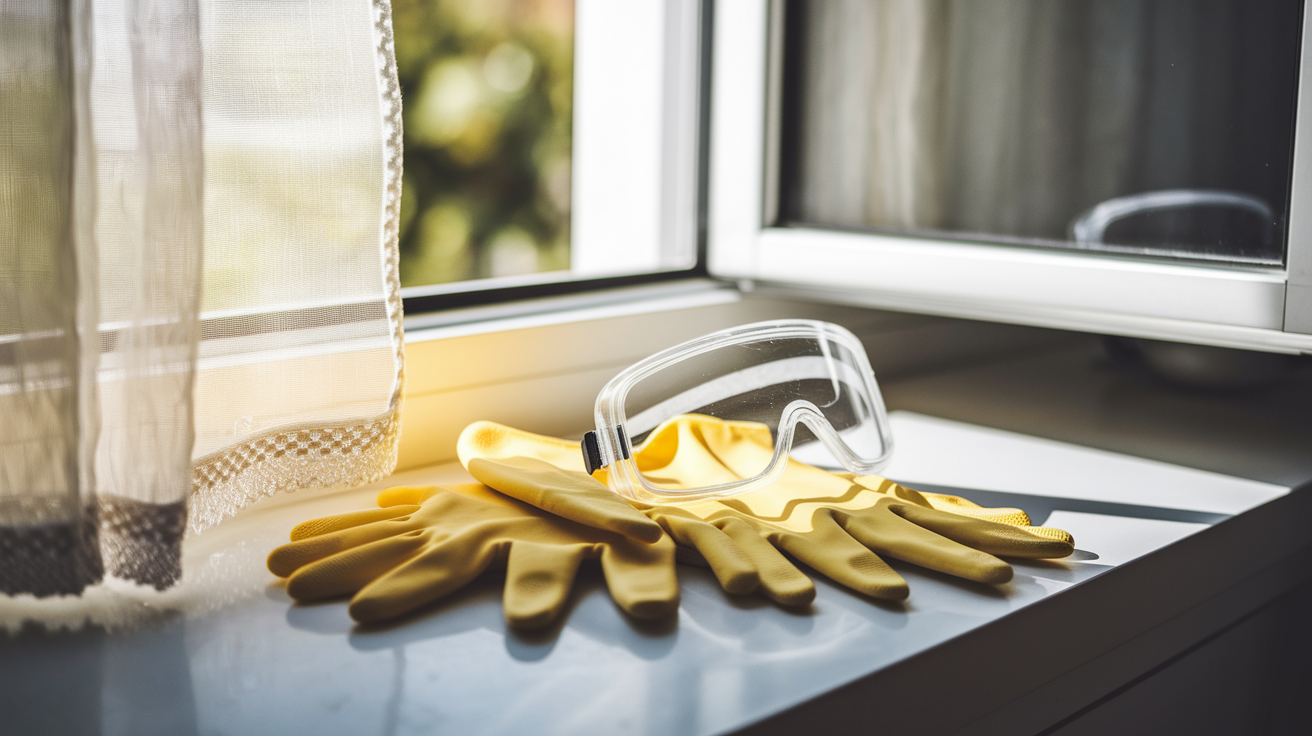
Borax ranks low on the toxicity scale compared to bleach and commercial mold removers. It doesn’t release dangerous fumes, won’t bleach your clothes, and breaks down naturally in the environment. That doesn’t mean you should handle it carelessly.
Borax can irritate sensitive skin, especially if you have cuts, eczema, or prolonged contact during scrubbing. Wear protective gloves while mixing and applying the solution. If you’re working in a small bathroom or closet, open a window or run an exhaust fan to keep fresh air moving through the space. Borax doesn’t produce harsh vapors like bleach, but working in enclosed areas with any cleaning solution benefits from ventilation. Never ingest borax, and wash your hands thoroughly after use. If you accidentally get solution in your eyes, rinse with clean water for several minutes. Keep the powder and mixed solution away from kids and pets during application and until surfaces are dry.
Pets and young children are more vulnerable to accidental ingestion. Store borax powder in a high cabinet with a secure lid. If you’re treating a floor or low wall where a pet or toddler might lick the surface, wipe away excess solution once the mold is scrubbed clean, but leave a light residue for continued protection. Borax in small amounts is generally recognized as safe for household use, which is why it’s in so many detergents. Just use common sense and don’t let anyone treat it like a snack.
Best Surfaces for Borax Mold Treatment

Borax works safely on most household surfaces, which is one reason it’s popular for DIY mold cleanup. You can use it on tile, painted walls, glass, sealed countertops, and more without worrying about discoloration or damage.
Non porous surfaces respond best to borax treatment because they don’t absorb moisture and allow the solution to work directly on surface mold. Ceramic tile, porcelain, glass shower doors, and sealed concrete all handle borax well. Bathroom applications are especially common since moisture and mold go hand in hand in those spaces. Spray borax solution on shower walls, scrub grout lines, treat window sills where condensation collects, and wipe down tile floors. Sealed wood surfaces like finished cabinets or painted trim also work fine. The borax won’t soak in, and you can scrub without causing water damage.
Porous materials require more caution. Unsealed wood, drywall, bare concrete, and fabric absorb water easily. If you over saturate these materials with borax solution, you’re adding moisture that can actually feed mold growth or cause other problems like warping and staining. Use a spray bottle on light mist setting instead of soaking the surface. Apply just enough solution to treat the mold, scrub gently, and wipe away excess moisture right after. For heavily porous items like books or unsealed flooring, sprinkling dry borax powder won’t do much. The powder needs to dissolve in water to activate its antifungal properties. Test an inconspicuous spot first if you’re unsure how a material will react.
| Surface Type | Borax Suitability | Application Notes |
|---|---|---|
| Ceramic Tile | Excellent | Spray generously, scrub grout lines, no absorption concerns |
| Grout Lines | Excellent | Use paste method for deep penetration into porous grout |
| Sealed Wood | Good | Light application, wipe quickly to avoid prolonged moisture contact |
| Drywall | Fair | Minimal solution, high risk of water absorption and damage |
| Concrete | Good | Works well on sealed concrete, use less on unsealed surfaces |
| Glass/Porcelain | Excellent | Safe for all glass and porcelain surfaces, easy cleanup |
Removing Mold from Fabric and Laundry with Borax

Borax doubles as a laundry booster, which makes it useful for treating mold on clothing, towels, and washable fabrics. If you’ve pulled musty clothes out of a damp closet or found mildew on towels that stayed wet too long, borax can eliminate both the mold and the smell.
Mix 1/2 cup of borax powder with hot water in a small container until it dissolves into a slurry. For standard top loading washing machines, let the machine fill with water first, then add the borax mixture before adding your moldy clothes. This gives the borax time to distribute evenly through the water. Set the machine to the hottest water setting the fabric can handle, as heat helps kill mold spores. Let the wash cycle run completely, then dry the items thoroughly. For high efficiency front loading machines, add the borax directly to the drum before loading clothes. HE machines use less water and don’t fill completely, so adding borax early ensures it mixes properly. You can also add borax to the detergent dispenser if your machine has one.
For heavily affected items like a shower curtain or bath mat, try pre soaking in a bucket with 1/2 cup borax dissolved in a gallon of hot water. Let the item soak for 30 minutes to an hour before washing. Borax not only treats the mold but also removes the musty odor that lingers even after the visible growth is gone. Don’t use borax on delicate fabrics like silk or wool without checking the care label first.
Borax vs Other Natural Mold Removal Methods

Borax sits alongside vinegar, hydrogen peroxide, baking soda, and bleach as common household options for mold cleanup. Each works differently, and understanding those differences helps you pick the right tool.
Vinegar is acidic with a pH around 2.5, which means it works by creating a hostile environment for mold from the opposite direction. While both vinegar and borax kill mold, you should never mix them together. The acid in vinegar neutralizes the alkaline properties of borax, and you end up with a solution that’s less effective than either one used alone. If you want to use both, treat the area with one, let it dry completely, then follow up with the other days later.
Hydrogen peroxide kills mold through oxidation, essentially breaking down the cellular structure with oxygen. It’s effective but works faster when you leave it on the surface for 10 to 15 minutes. Hydrogen peroxide doesn’t leave a protective residue like borax does, so treated areas are more vulnerable to regrowth if moisture returns.
Bleach is the most aggressive option. It kills mold quickly and whitens stains, but it also releases harsh fumes, can damage surfaces, and only works on non porous materials. Mold on porous surfaces like wood or drywall gets bleached white on top while the roots survive below. Borax is gentler, works on more surface types, and doesn’t create a cloud of chlorine gas in your bathroom.
Baking soda is mildly alkaline with a pH around 8.3, which makes it less effective than borax at disrupting mold. It’s safe and gentle, but you’ll need more scrubbing effort and multiple applications to get the same results.
Key advantages of borax over alternatives:
- No toxic fumes or harsh chemical odors during application or after
- Safe for most surfaces without bleaching or discoloration
- Leaves protective alkaline residue preventing mold regrowth on treated areas
- More cost effective than commercial mold removal products
- Can be safely mixed with most cleaning agents except acids like vinegar
Common Mistakes and Troubleshooting Borax Mold Removal

One of the biggest mistakes people make is rinsing the surface completely after scrubbing away the mold. The thin borax residue left behind continues protecting against regrowth, so wiping up excess solution is fine, but don’t rinse the area with plain water afterward. Let it dry naturally with that protective alkaline layer in place.
Avoid these common errors when using borax for mold removal:
- Rinsing away the borax solution completely instead of leaving a protective residue
- Sprinkling dry borax powder on mold without mixing it with water first
- Over saturating porous materials like drywall or unsealed wood
- Not giving the solution 5 to 10 minutes of contact time before scrubbing
- Mixing borax with vinegar or other acidic cleaners that neutralize effectiveness
- Treating visible mold without fixing the moisture source causing it
If mold returns within a few days or weeks after treatment, that’s a clear sign you have an ongoing moisture problem. Borax kills existing mold, but it can’t stop new spores from growing if water is still present. Check for leaks, condensation, high humidity, or poor ventilation in the area. A dehumidifier and better airflow often solve the problem. If mold keeps coming back in the same spot, you’re treating the symptom instead of the cause.
Stubborn stains sometimes remain even after you scrub away the mold itself. Those dark marks are dead mold pigment embedded in the surface. A second application of borax paste left to dry overnight can help lift deeper stains. For non porous surfaces, try a mild abrasive cleaner after the borax treatment. On porous surfaces like grout, the stain may be permanent unless you reseal or paint over it.
Preventing Recurrence Through Environmental Control
Killing mold that’s already growing is only half the job. Mold spores are everywhere in the air all the time. They only become a problem when they land on a damp surface and start growing.
Identify and fix moisture sources as soon as possible. Common culprits include leaky pipes under sinks, condensation on cold windows, roof leaks, poor bathroom ventilation, and water damage from floods or appliance failures. If you treated mold in your basement, figure out whether it came from groundwater seepage, a leaking foundation crack, or humid summer air condensing on cool concrete. Treating mold without addressing the water source is like bailing out a boat without plugging the hole. For guidance on managing moisture after water damage and preventing mold conditions, see Understanding Moisture Control After Water Damage.
Keep indoor humidity below 50 to 60 percent, especially in prone areas like basements, bathrooms, and laundry rooms. Use a dehumidifier if necessary, and run exhaust fans during and after showers. Improve air circulation by opening windows when weather permits, using fans in stuffy areas, and keeping furniture a few inches away from exterior walls. Fix leaks and water intrusion points immediately instead of letting them sit. Check around windows, doors, and plumbing regularly. Even a small drip can create enough moisture for mold to thrive. The borax residue on treated surfaces provides ongoing protection, but it’s not a substitute for controlling the environment. Inspect prone areas every few months, especially after heavy rain or humid weather, so you catch new growth early while it’s still easy to handle.
Limitations of Borax and When to Call Professionals

Borax works well for small to moderate mold problems on hard surfaces, but it’s not a solution for every situation. It’s a less concentrated cleaner than commercial fungicides, which means it handles lightweight mold infestations but struggles with heavy growth or large areas.
The biggest limitation is that borax kills mold spores but does not remove or neutralize mycotoxins. Mycotoxins are toxic compounds some molds produce, and they remain hazardous even after the mold itself is dead. If you scrub away visible growth with borax, the surface may look clean, but mycotoxins can still be present in dust and on porous materials. This matters most with toxic mold species and in homes where people have respiratory issues, allergies, or weakened immune systems.
Borax works best on surface mold where you can see the growth and scrub it directly. Mold growing inside wall cavities, under flooring, or within HVAC ductwork is out of reach for DIY treatment. Porous materials like wood studs, insulation, and drywall often need removal rather than cleaning, especially if the mold has penetrated deeply. A professional can assess hidden growth with moisture meters and inspection tools you probably don’t have at home.
Professional mold remediation becomes necessary in these situations:
- Mold covering more than 10 square feet (roughly a 3×3 area)
- Mold growth inside HVAC systems, ductwork, or ventilation components
- Suspected black mold or Stachybotrys species based on appearance and texture
- Mold within wall cavities, ceiling spaces, or structural materials you can’t access
- Health symptoms like persistent coughing, headaches, or breathing trouble that worsen during cleanup
- Mold that keeps returning despite repeated borax treatments and moisture control efforts
When searching for a mold remediation contractor, look for companies with certifications from organizations like the IICRC or state licensing where required. Ask whether they address both mold removal and moisture control, since fixing one without the other just sets you up for a repeat problem. Get a written scope of work and cost estimate before they start. For more guidance on when DIY efforts aren’t enough and professional help is the right call, see When DIY Water Damage Repair Isn’t Enough. Reputable contractors will test for mold species, contain the work area to prevent spreading spores, remove contaminated materials safely, and verify the space is clean before closing it back up.
Final Words
Borax for mold removal gives you a safer, straightforward option when you’re dealing with small to moderate mold problems on hard surfaces. Mix it right, scrub thoroughly, and leave the residue in place to stop future growth.
But remember, borax handles the visible mold, not the moisture problem that caused it. Fix leaks, control humidity, and keep air moving, or you’ll be mixing another batch in a few months.
For widespread growth, hidden mold, or anything that keeps coming back, stop and call a pro. You’ve done what you can, and that’s the smart call.
FAQ
Does borax kill fungal spores?
Borax kills fungal spores by creating a highly alkaline environment with a pH of 9.3 that disrupts mold cell structures. Most mold types thrive in acidic conditions between pH 3-7, so borax’s alkalinity damages spores and prevents regrowth by leaving behind a protective residue.
What is the best mixture to kill mold?
The best borax mixture to kill mold is 1 cup borax dissolved in 1 gallon of hot water for spray applications. For stubborn vertical mold, mix 1/2 cup borax with 2 quarts boiling water to create a paste. Both methods work effectively on household surfaces.
What kills 100% of mold?
No cleaning solution kills 100% of mold or eliminates mycotoxins left behind after mold dies. Borax kills visible mold spores and prevents regrowth, but complete removal requires physically removing contaminated materials like drywall or wood. Professional remediation handles large infestations over 10 square feet safely.
What happens if you mix borax and vinegar together?
Mixing borax and vinegar together neutralizes both products’ effectiveness because vinegar’s acidity cancels out borax’s alkaline properties. Keep these cleaners separate. Use borax alone at pH 9.3 to disrupt mold growth, or use vinegar separately for different cleaning tasks.