

Most people want to know if their wet carpet can be saved before they start ripping it out. And here’s the truth that’ll save you time and money: you’ve got 24 to 48 hours to make that call, and the type of water matters just as much as the clock. Clean supply line water caught early? You’ve got options. Sewage backup or carpet that’s been sitting wet for three days? That’s a health hazard, not a salvage job. The difference between a successful rescue and wasting effort on carpet that’s already growing mold comes down to knowing what you’re dealing with and moving fast.
Determining If Your Wet Carpet Can Be Saved: Water Type and Timing Factors
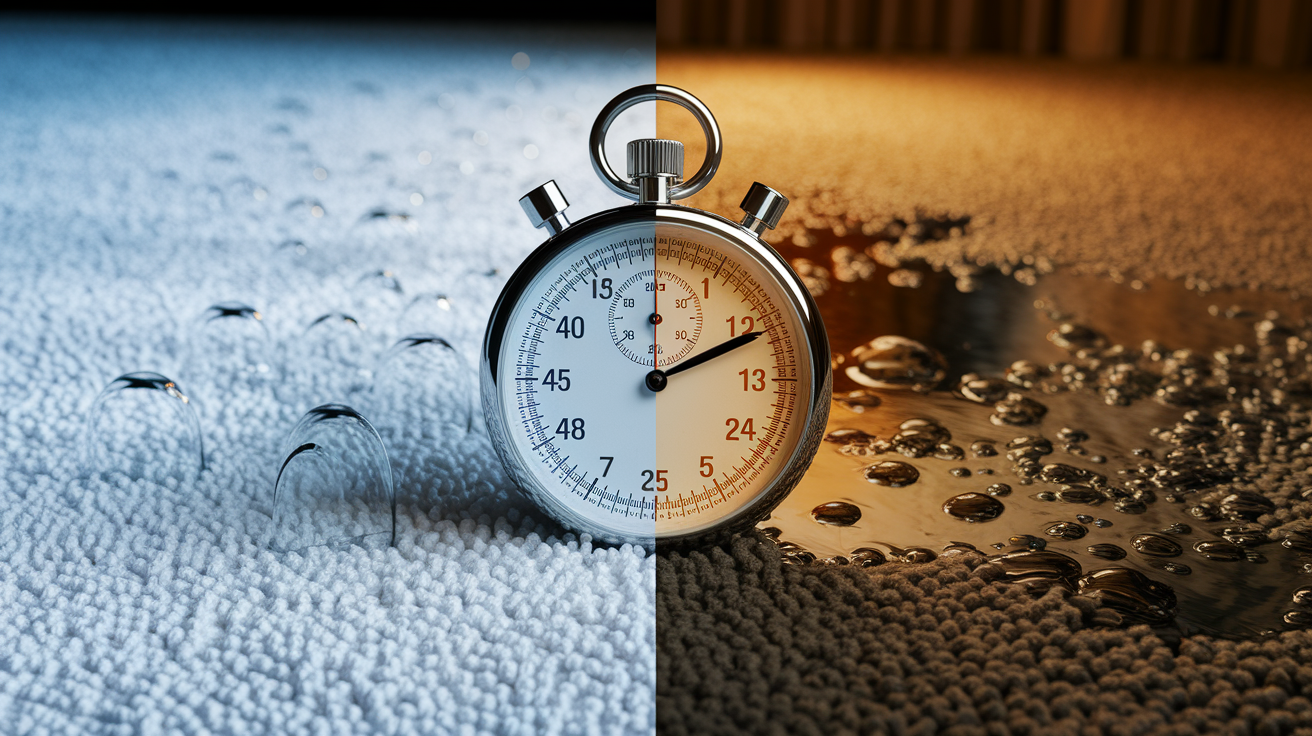
Whether you can save your wet carpet comes down to two things: what kind of water hit it, and how fast you move. You’ve got 24 to 48 hours max to make this call.
Clean water caught in the first day or two? There’s a decent shot at saving it. Contaminated water or something that’s been sitting there for days? You’re looking at replacement. A supply line that burst this morning is a completely different animal than sewage backup you didn’t discover until three days later. The water source tells you what health risks you’re dealing with right now and what kind of gross stuff is going to grow in there later, which pretty much decides whether it’s worth trying to save.
The water damage restoration world uses three categories to figure out how bad things are and whether salvage makes sense. The Institute of Inspection, Cleaning and Restoration Certification (IICRC) developed these, and insurance companies and restoration pros use them everywhere.
Category 1 Clean Water: Burst pipes, broken supply lines, clean basement seepage from rain, yard runoff. This stuff comes from sanitary sources and won’t make you sick. Carpet that gets hit with Category 1 water has the best chance of survival if you can dry it completely within 48 hours.
Category 2 Gray Water: Sump pump failures, washing machine discharge, dishwasher overflow, toilet overflow with urine but no feces. Gray water’s got some contamination and bacteria that can make you uncomfortable or sick if you touch it. You can often fix these situations by getting the carpet professionally cleaned and replacing all the padding.
Category 3 Black Water: Raw sewage, toilet backup with feces, street flooding, rising water from rivers or streams. Black water contains dangerous bacteria, viruses, and other nasty pathogens. Industry guidelines say remove and throw away all porous materials immediately, including carpet, padding, and often baseboards that touched Category 3 water.
EPA, FEMA, and CDC guidelines say if your carpet was wet for more than 48 hours, pull it out and replace it. Doesn’t matter what kind of water it was. This standard comes from microbial research showing that mold spores and bacteria set up shop fast in wet environments. Quick assessment and decisive action within that first 24 to 48 hours is everything for making the right call and not wasting time on carpet that’s already toast.
The 48-Hour Window: Mold Growth Timeline and Health Risks

Timing matters because mold and bacteria start growing within 48 hours of getting wet. This isn’t some random deadline. Professional standards from EPA, FEMA, and CDC establish the 48-hour mark based on decades of research into how microbes grow and documented health problems following water damage.
The damage follows a predictable timeline:
0 to 24 Hours: Best window for salvage with minimal microbial activity. Water keeps soaking into padding and subfloor, but bacteria and mold spores mostly stay dormant if you start drying immediately.
24 to 48 Hours: Last chance for salvage, and you need professional help now. Bacterial colonies start multiplying and mold spores begin germinating in materials that stay wet.
48 to 72 Hours: Mold spores actively grow and multiply. You might see fuzzy growth on padding, carpet backing, or exposed subfloor surfaces.
Beyond 72 Hours: Extensive contamination throughout all wet materials. Mold colonies establish throughout carpet fibers, padding, and subfloor. Replacement is strongly recommended at this point no matter what kind of water it started as.
Mold and bacteria love wet environments, and even short breaks in drying let microbes breed and stretch out your recovery time. Turning fans off overnight to cut noise or save electricity lets the moisture saturated environment sit at perfect temperatures for bacteria to multiply and mold spores to sprout. The drying process needs to run continuously, 24 hours a day, without stopping until moisture readings confirm everything’s completely dry.
Health effects from mold include respiratory irritation and trouble breathing, allergic reactions like sneezing and skin rashes, asthma triggers or worsening for people who already have it, eye and throat irritation causing redness and discomfort, headaches and weird fatigue, and immune system stress (especially bad for kids and elderly folks).
Musty odors mean microbial growth even when you can’t see mold on surfaces. If you smell that characteristic damp basement smell, mold colonies are actively growing somewhere in the wet stuff. Vulnerable populations including children, elderly people, and those with respiratory conditions like asthma or COPD face higher risks and should stay completely away from water damaged carpet areas during assessment and drying.
Inspection Checklist for Assessing Wet Carpet Damage

You need to inspect beyond what you can see on the surface to identify hidden damage in padding and subfloor. What’s visible on the carpet surface is only part of the story.
Your damage assessment needs to cover three layers: carpet fibers, padding beneath, and subfloor conditions. Moisture trapped between layers causes long term problems including mold growth, odor, and structural damage that aren’t obvious from just looking at the surface. Water moves downward through gravity, so the padding and subfloor beneath visibly wet carpet are always more saturated than the carpet surface suggests.
Inspection checkpoints:
- Check for standing water in low spots or corners where it pools
- Test saturation level by pressing down firmly on carpet and padding to see how deep the moisture goes and whether water squeezes up through fibers
- Look at subfloor material type (concrete versus wood affects drying time and damage potential)
- Check for visible discoloration or staining showing contaminated water contact or previous moisture problems
- Smell for musty or sewage odors that signal bacterial contamination or existing mold growth
- Look for carpet detachment from tack strips or loose areas showing adhesive breakdown from water exposure
Carpet padding always requires replacement because it’s nearly impossible to clean thoroughly and very cheap to upgrade. Padding absorbs the most water and contamination, holds moisture the longest, and creates ideal conditions for bacteria and mold. Even when carpet fibers get successfully salvaged through extraction and cleaning, the padding beneath must be completely removed and replaced with new material. Professional moisture meters can detect hidden moisture in subfloor materials you can’t feel by touch, giving you accurate readings for salvage decisions. These meters use electrical resistance or radio frequency to measure moisture content deep within wood or concrete.
Complete Carpet Drying Process: Equipment and Step-by-Step Method
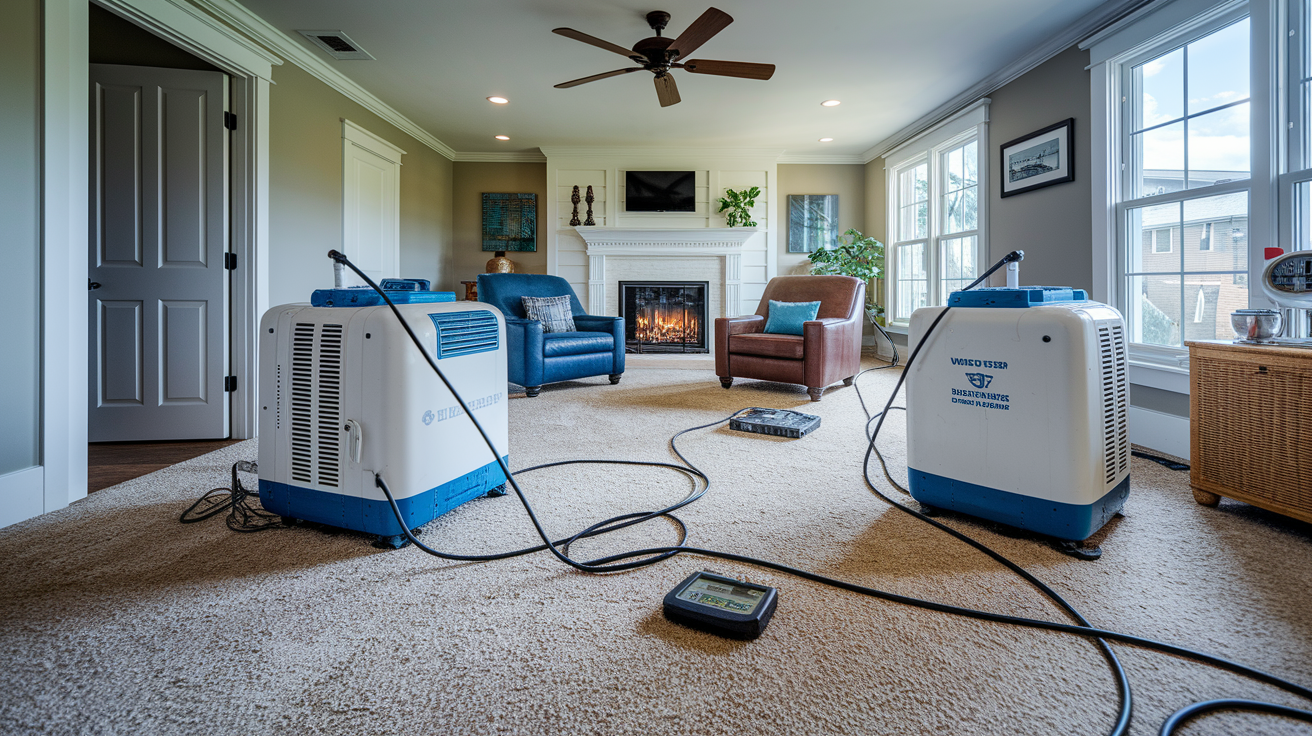
Proper drying using the right equipment is essential to prevent mold and bacteria growth within the 48 hour window. The drying process takes more than just pointing a box fan at wet carpet and hoping for the best.
You need wet vacuum or water extractor for standing water removal, industrial fans or air movers for air circulation across wet surfaces, dehumidifiers for moisture control in the air, and moisture meters to verify complete drying in all materials. Consumer grade equipment works for very small areas with minimal water exposure, but anything beyond a localized spill requires commercial grade equipment that removes water and dries materials far more effectively.
Complete drying sequence:
-
Remove standing water immediately using wet vac or commercial extraction equipment. Make multiple passes over the same area because carpet and padding release water slowly under vacuum pressure.
-
Pull up carpet edges and corners to expose padding and create airflow channels. Peeling back the carpet allows air circulation underneath and reveals the true extent of padding and subfloor saturation.
-
Remove and throw away all wet padding completely. Cut padding into manageable sections for disposal. Don’t try to dry or save padding.
-
Position industrial fans and air movers to create cross ventilation over carpet surface and exposed subfloor. Aim fans at angles that create air movement across surfaces rather than just blowing straight down.
-
Run commercial dehumidifiers continuously in the affected space to reduce ambient humidity levels. Dehumidifiers pull moisture from the air that fans are evaporating from wet materials.
-
Keep all equipment running 24/7 without interruption for 2 to 4 days depending on initial saturation level, air temperature, and humidity conditions.
-
Verify complete drying with moisture meter showing readings below 12% for wood subfloors or below 4% for concrete before considering reinstallation.
Turning fans and dehumidifiers off at night lets microbes breed in remaining moisture and significantly extends total drying time. The continuous evaporation process pulls moisture from deep within carpet fibers and subfloor materials to the surface where moving air carries it away. Stopping this process allows condensation to redistribute moisture back into materials and creates stable high humidity conditions perfect for bacteria multiplication.
Minimize foot traffic during drying to prevent recompression of carpet fibers and pushing moisture back into materials. Walking on drying carpet forces water deeper into subfloor and makes extraction harder.
Equipment options include rental availability at home improvement stores ($30 to $60 per day for fans and dehumidifiers) versus professional grade equipment that restoration companies provide. Consumer rentals work for small areas and extended timelines. Industrial extraction equipment and thermal imaging cameras for moisture detection significantly reduce drying time from 3 to 4 days to 24 to 36 hours. Restoration companies bring truck mounted extraction systems that pull exponentially more water than shop vacuums and use commercial air movers moving 2,000 to 3,000 cubic feet per minute compared to 200 to 300 CFM from box fans.
Carpet Fiber Types and Material-Specific Salvage Potential
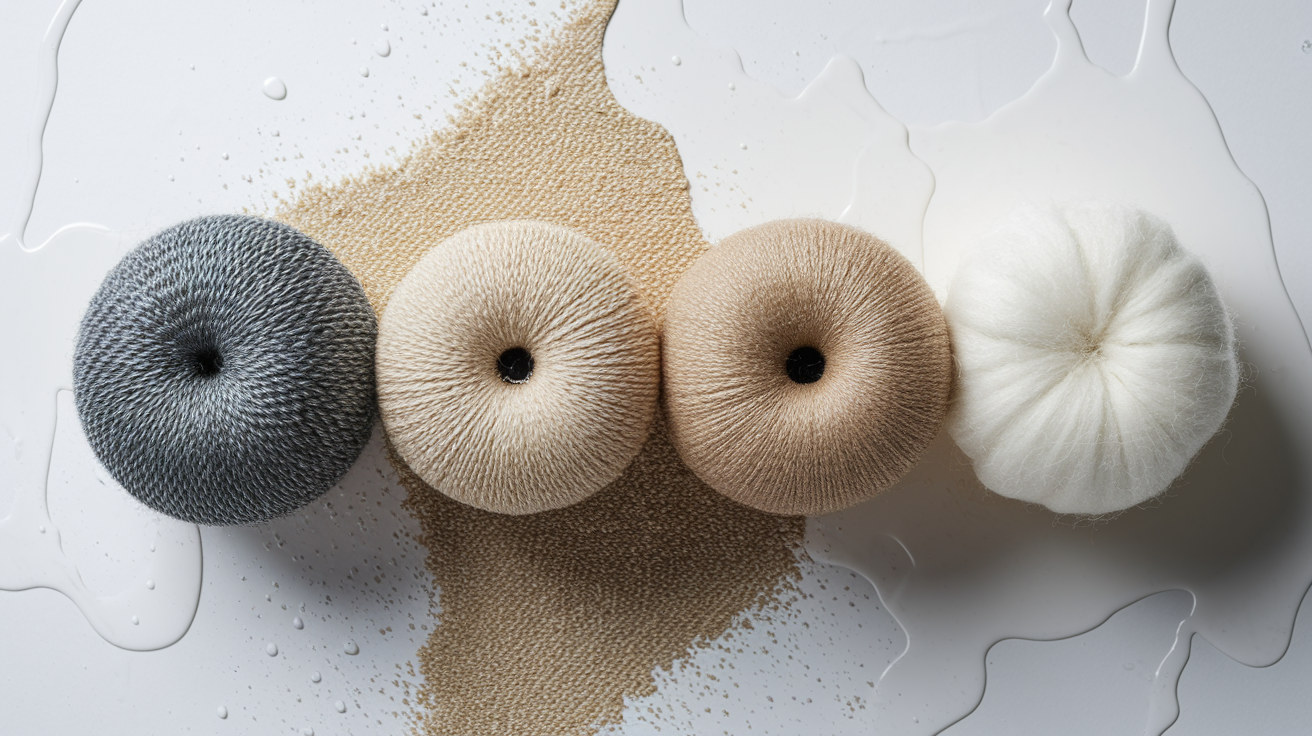
Material composition significantly impacts water damage outcomes and drying effectiveness. Not all carpet responds to water the same way.
Synthetic carpets (nylon, polyester, olefin) generally tolerate water better than natural fibers, resist bacterial growth more effectively, and dry more quickly making them better salvage candidates. The petroleum based fibers don’t provide nutrients for mold and bacteria, shed water more readily, and maintain structural integrity when wet. Nylon carpet in particular bounces back well from water exposure if dried properly within the 48 hour window.
Natural fiber carpets (wool, cotton, jute) absorb significantly more moisture, dry much slower creating extended mold risk windows, and face higher rates of permanent damage from water exposure. Wool acts like a sponge, holding multiple times its weight in water and taking days longer to dry than synthetic alternatives. The protein based fibers provide nutrients that feed bacterial and mold growth. Natural fiber carpets exposed to anything beyond minimal clean water should generally be replaced rather than salvaged.
Area rugs deserve specific mention. Those without foam backing soaked with clean water and dried within 48 hours can usually be salvaged through machine washing or professional hot water extraction. Take the rug outside, hose it down, scrub with carpet cleaning solution, rinse thoroughly, and hang over a railing in direct sun. Foam backed rugs should always be thrown away because foam deteriorates when saturated, breaks down into crumbs, harbors bacteria in the cellular structure, and never fully dries.
Carpet backing and adhesive deterioration occurs when saturated, causing delamination and permanent structural damage even if surface fibers appear recoverable. The latex backing that holds carpet tufts in place breaks down with water exposure. You’ll notice this as carpet sections that feel loose or rippled, or where tufts pull out easily from the backing.
Professional Cleaning and Disinfection Methods for Salvaged Carpet
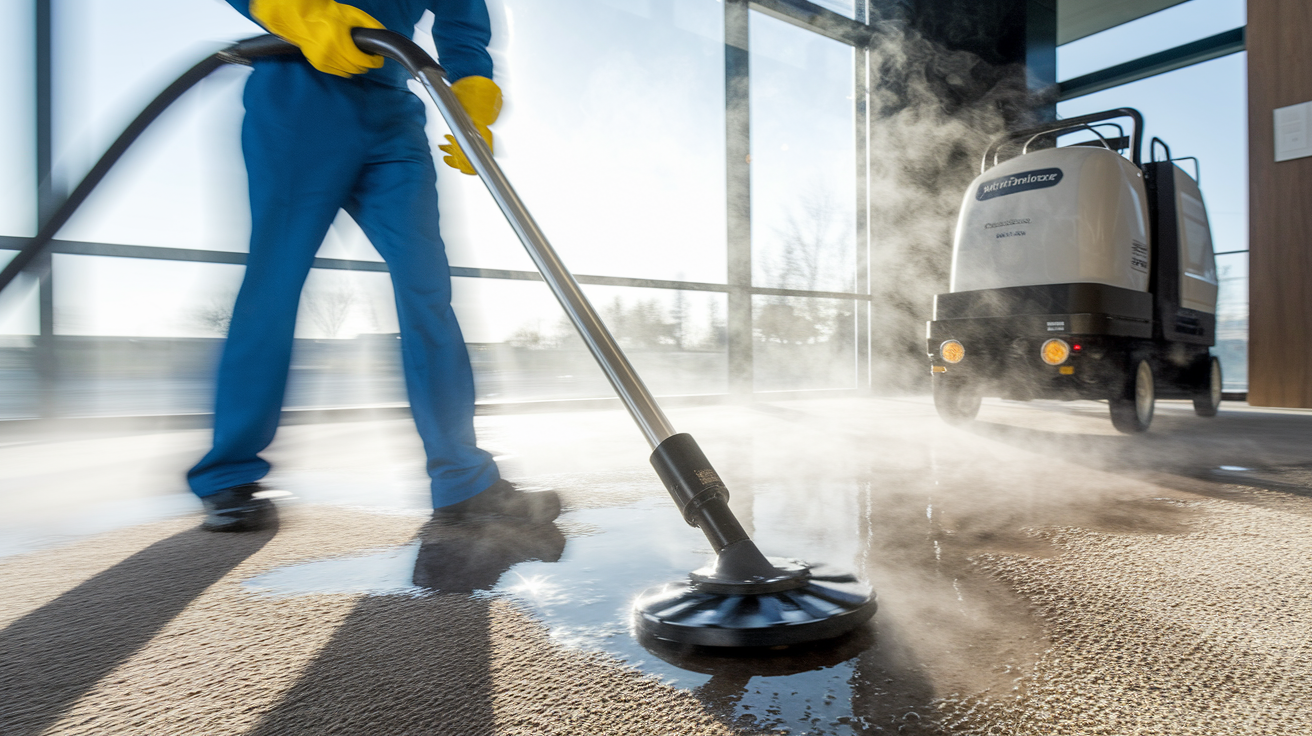
Drying alone isn’t enough for water damaged carpet. You need thorough cleaning and disinfection to eliminate bacteria and prevent health risks from microbial contamination.
Hot water extraction (steam cleaning) is the industry standard deep cleaning method for water damaged carpet, using heated cleaning solution injected under pressure and immediately extracted to remove contaminants, dirt, and bacteria from carpet fibers. The process forces cleaning agents deep into the carpet pile, breaks down biofilm and bacterial colonies, and extracts contaminated water along with loosened debris. Effective hot water extraction uses truck mounted equipment generating 200+ degree water temperature and high vacuum recovery.
Antimicrobial and sanitizing treatments applied after cleaning kill remaining bacteria, prevent mold spore germination, and eliminate musty odors that indicate microbial presence. EPA registered antimicrobial solutions work by disrupting cellular function in bacteria and mold, preventing reproduction and colony formation. These treatments provide residual protection for weeks after application.
Additional professional treatments include enzyme cleaners specifically formulated for organic contamination breakdown from urine, feces, or biological materials in gray or black water, commercial deodorizers for smell elimination beyond surface masking using oxidizing agents that chemically neutralize odor molecules rather than covering them, anti microbial sealants that prevent future mold growth by creating hostile surface conditions for spore germination, and specialized stain removal techniques for discoloration from contaminated water containing rust, soil, or sewage.
Professional cleaning investment is cost effective only for Category 1 clean water situations caught early. Heavily contaminated carpet or Category 3 black water exposure makes cleaning expenses wasteful since replacement is mandated for health safety. Spending $400 to clean and sanitize carpet that should be replaced just delays the inevitable while exposing occupants to contamination risks.
DIY Carpet Salvage: What Homeowners Can Handle Safely
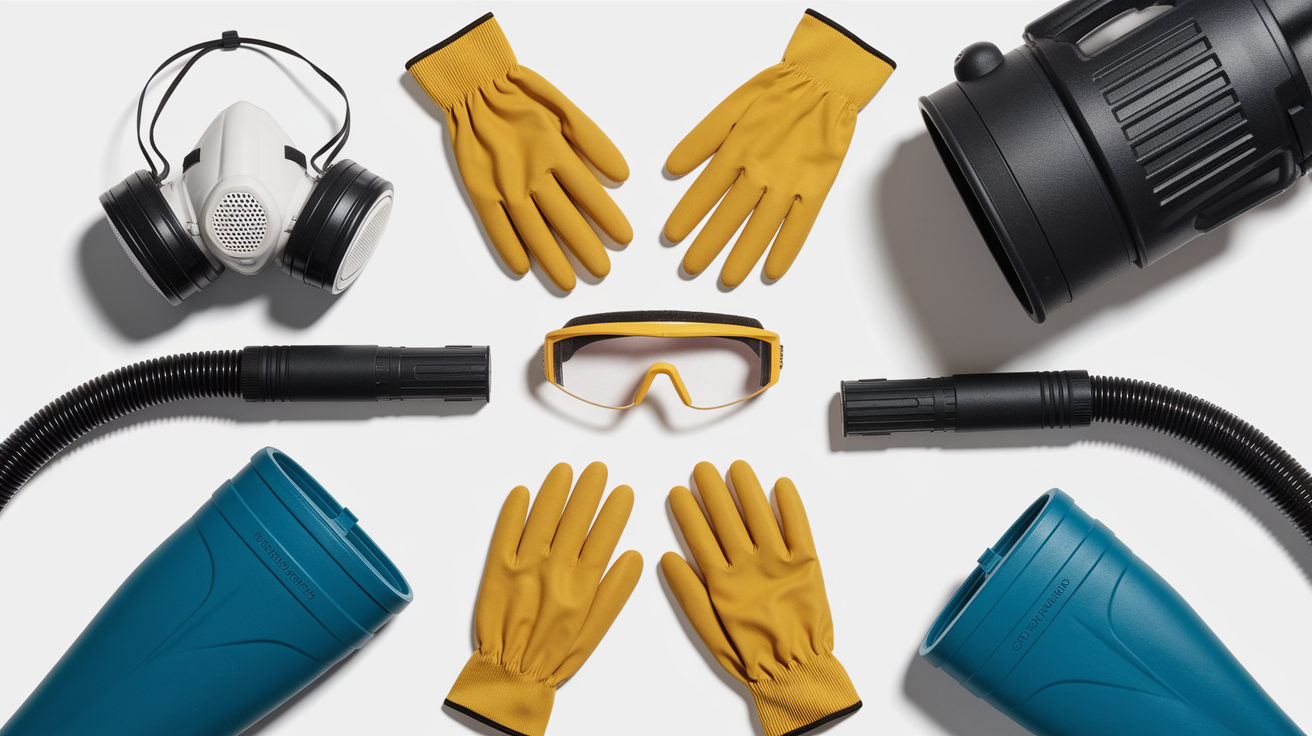
Homeowners can handle small scale clean water incidents caught within hours but should recognize when professional help is necessary. Take immediate actions after water damage to minimize damage extension and improve salvage odds.
DIY appropriate scenarios include small affected area (under 50 square feet), Category 1 clean water only, discovered and addressed within 12 hours, adequate ventilation available through windows or existing HVAC, no structural concerns with subfloor or walls, and access to rental extraction and drying equipment from home improvement stores. A leaking supply line under the bathroom sink discovered during daytime fits DIY scope. A flooded basement discovered after a weekend away does not.
Essential safety equipment required even for DIY attempts:
- Heavy duty rubber gloves extending past the wrist to prevent skin contact with contaminated water
- Eye protection against splashing during extraction and chemical contact during cleaning
- Respiratory mask rated N95 minimum to filter mold spores and bacteria from air during material removal
- Rubber boots for standing water areas to prevent prolonged skin contact and contamination tracking
- Protective clothing that can be laundered in hot water afterward or thrown away if heavily contaminated
Don’t attempt DIY salvage with Category 2 gray water or Category 3 black water due to serious contamination hazards. These categories contain harmful bacteria including E. coli and Salmonella, viruses including norovirus and hepatitis, chemical contaminants from cleaning products and personal care items, and potential parasites from sewage. Professional remediation protocols include EPA registered disinfectants, proper disposal procedures for contaminated materials, and protective equipment far beyond consumer grade.
Household wet vacuums and box fans are severely limited compared to professional extraction systems pulling 10 to 20 times more water and industrial air movers creating proper drying conditions. A shop vac rated for 6 gallons pulls a fraction of the water that truck mounted extraction equipment removes in a single pass. Box fans moving 200 cubic feet per minute barely circulate air compared to commercial air movers pushing 2,500 CFM. These equipment differences translate directly into drying time and salvage success rates.
When to Call Professional Restoration Companies
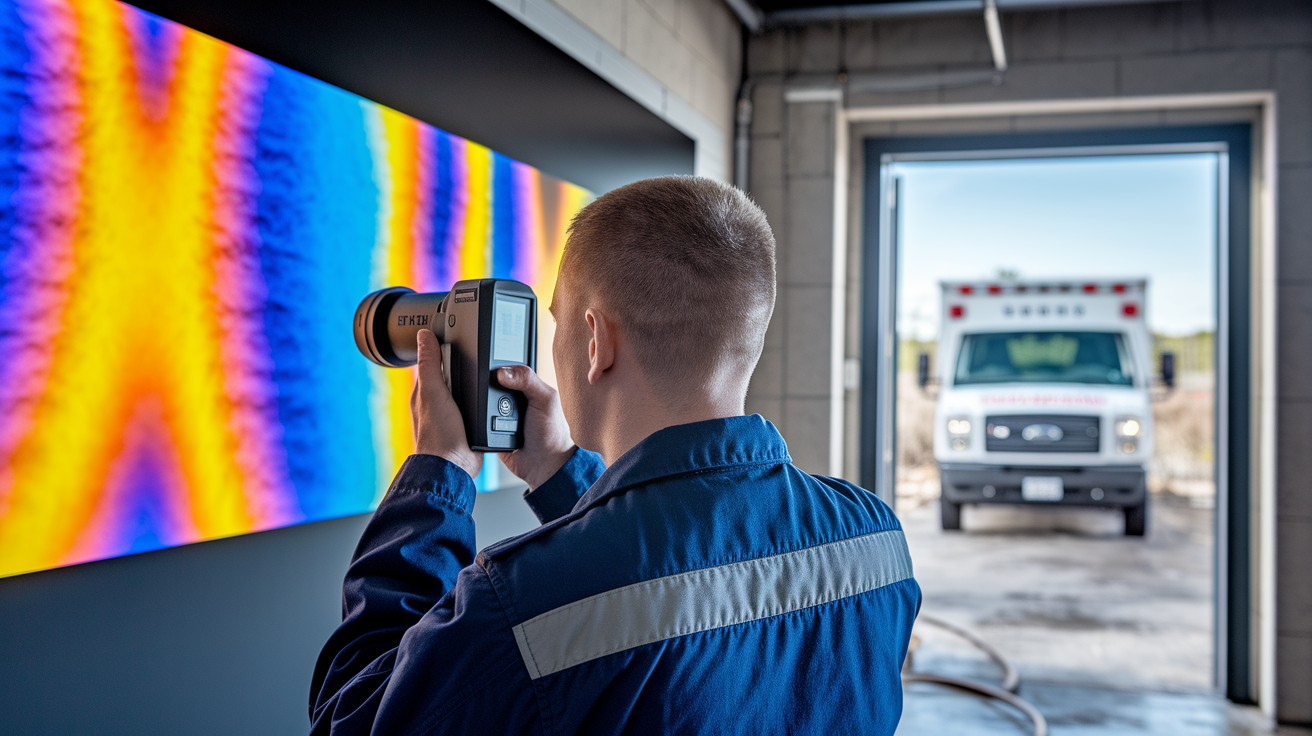
Professional help becomes necessary when damage exceeds homeowner capabilities, involves contamination risks, or threatens the 48 hour salvage window. Some situations are outside DIY scope from the start.
Scenarios requiring professional restoration:
- Any Category 2 gray water or Category 3 black water exposure that involves contamination beyond clean water
- Affected carpet area exceeding 100 square feet where water volume overwhelms consumer equipment capacity
- Water damage lasting beyond 24 hours before discovery where microbial growth is already underway
- Structural concerns with subfloor integrity, particularly buckling wood floors or cracked concrete, or wall saturation behind baseboards
- Lack of adequate commercial grade extraction and drying equipment available through local rental
- Visible mold growth already present indicating the 48 hour window has closed
- Strong persistent sewage or musty odors indicating contamination that cleaning can’t address
IICRC certified restoration professionals provide truck mounted extraction systems removing far more water than household equipment through high powered vacuum and heated water injection, thermal imaging cameras detecting hidden moisture in walls and subfloors not visible to the eye, commercial dehumidifiers processing 10 to 20 times more air than consumer units (150+ pints per day versus 10 to 30 pints), professional air movers creating proper airflow patterns that optimize evaporation rates, EPA approved antimicrobial treatments formulated specifically for post water damage disinfection, detailed moisture mapping and documentation for insurance claims including photos and meter readings, and significantly faster completion timeline (24 to 48 hours versus 3 to 5 days for DIY) reducing secondary damage and mold risk.
Response time matters with many companies offering 24 hour emergency availability and arriving within 2 to 4 hours of calls to begin water extraction during the critical first hours. The difference between water sitting for 6 hours versus 24 hours determines whether padding moisture migrates into subfloor materials and whether bacterial multiplication reaches levels requiring full replacement.
Subfloor and Structural Considerations Under Wet Carpet

Carpet salvage becomes meaningless if the subfloor beneath sustains permanent structural damage or harbors trapped moisture that causes future mold problems. You can dry and clean carpet perfectly while ignoring a damaged subfloor underneath that continues growing mold.
Concrete subfloors dry more slowly taking 3 to 5 days but resist structural damage and warping. The dense material doesn’t absorb water rapidly and won’t permanently deform. However, concrete holds moisture deep within its porous structure long after the surface appears and feels dry. Wood subfloors absorb water rapidly, warp and buckle when saturated, and create ideal environments for mold growth in porous wood fibers requiring faster response. Plywood and OSB subfloors swell when wet, and the swelling often doesn’t reverse even after drying. You’ll see raised seams between subfloor panels, cupped boards, or areas where the floor feels spongy underfoot.
You absolutely need to remove carpet and padding completely to inspect and dry the subfloor properly. Moisture trapped between layers continues damaging subfloor materials even after surface carpet appears dry and creates hidden mold growth that affects indoor air quality for months. For comprehensive guidance on this process, see drying and restoring subfloors after water damage.
Underlayment and padding replacement is mandatory even when carpet fibers are successfully salvaged. Padding absorbs the most contamination due to its position at the bottom of the water flow path and can’t be effectively cleaned. It costs $150 to $400 to replace padding in a 500 square foot room. Trying to save $200 in padding while spending $500 on professional carpet cleaning makes no sense.
Professional moisture detection using thermal imaging and deep penetration moisture meters identifies hidden moisture in subfloor materials not apparent through surface testing. Infrared cameras show temperature differentials that indicate moisture presence. Pin type and pinless moisture meters measure moisture content several inches deep in wood or concrete. Subfloor moisture levels must drop below 12% for wood or 4% for concrete before any reinstallation. Installing carpet over subfloor reading 15% moisture guarantees mold growth within weeks.
Cost Comparison: Salvaging vs. Replacing Water-Damaged Carpet
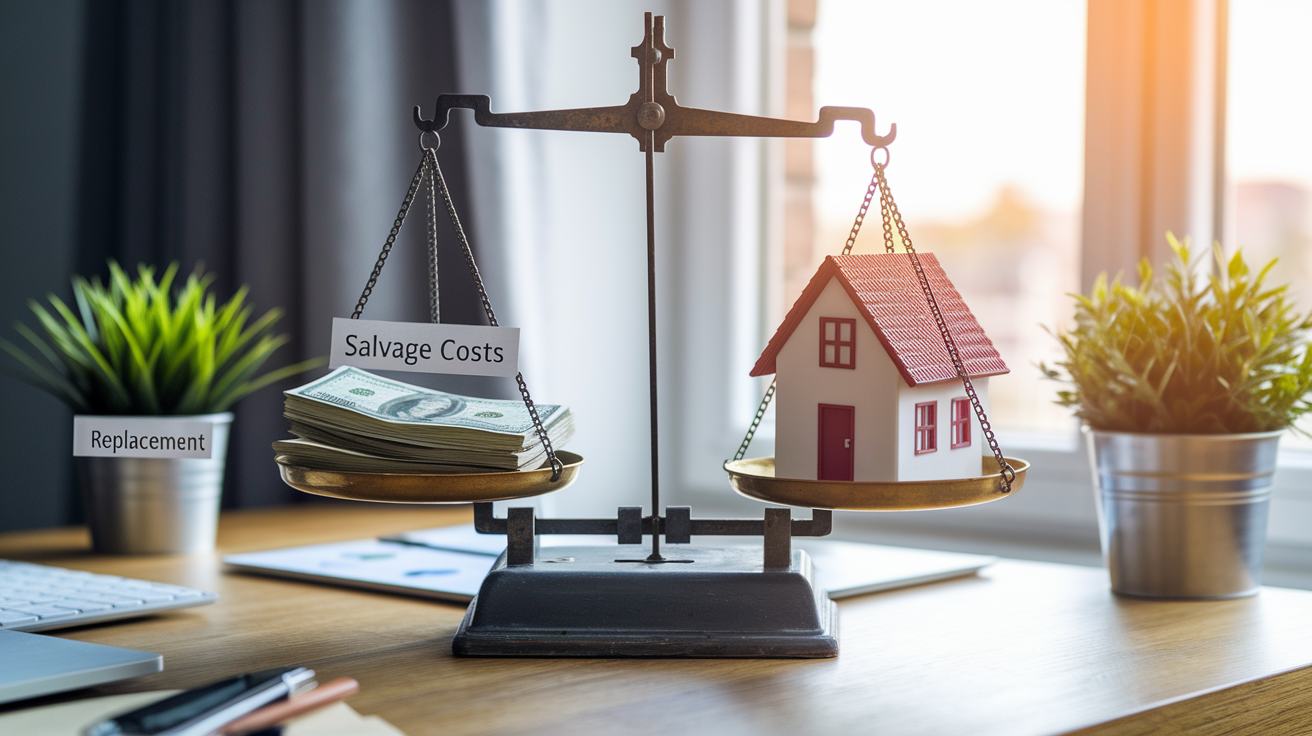
Cost is a major factor in the salvage versus replace decision, and understanding true total costs helps prevent wasted money on failed salvage attempts. Looking only at upfront restoration costs without considering failure risk and replacement needs creates false economy.
| Expense Category | Salvage Cost Range | Replacement Cost Range |
|---|---|---|
| Professional water extraction | $300-$800 depending on area size | Included in replacement prep |
| Carpet cleaning and disinfection | $200-$500 for 500 sq ft | Not applicable |
| New padding replacement | $150-$400 for 500 sq ft | $150-$400 for 500 sq ft |
| Equipment rental for DIY approach | $100-$300 for 3-4 day period | Not applicable |
| Full carpet replacement with installation | Not applicable | $1,700-$6,800 for 500 sq ft depending on carpet quality |
Salvage costs typically reach 40 to 60% of replacement costs when professional services are required for extraction, drying, and cleaning. A moderate water damage scenario requiring professional extraction ($500), cleaning ($350), and new padding ($300) totals $1,150, which represents 68% of the cost to replace with basic new carpet ($1,700). When salvage costs exceed half of replacement costs, you’re paying a premium to keep old carpet that may fail within months.
Factors that tilt the decision strongly toward replacement include existing carpet age over 7 to 10 years with visible wear patterns or matting, previous staining or damage from pets or high traffic, any Category 2 or 3 contaminated water exposure which makes thorough cleaning impractical, repeated water damage in the same location indicating ongoing moisture problems from foundation seepage or plumbing issues, and situations where salvage costs exceed 50% of replacement costs. Ten year old carpet with pet stains that’s now soaked with washing machine overflow isn’t worth $900 in professional restoration services.
Failed salvage attempts on contaminated or extensively damaged carpet result in both wasted restoration expenses and continued health risks from microbial growth, ultimately requiring replacement anyway. Homeowners who attempt salvage on marginal situations often spend $600 to $1,000 on professional cleaning, only to discover persistent musty odors or visible mold within weeks that force full replacement and an additional $1,700 expense.
Insurance Claims and Coverage for Wet Carpet Damage
Homeowners insurance typically covers sudden and accidental water damage (burst pipes, appliance malfunctions) but specifically excludes gradual damage from neglect and flooding from external sources. Reading the declarations page and exclusions section prevents surprises during claims.
The critical difference exists between standard homeowners insurance (covers internal water damage from plumbing failures, appliance leaks, roof leaks) and separate flood insurance policies (required for external flooding from rivers, storm surge, heavy rain accumulation). Standard homeowners policies contain flood exclusion clauses that deny coverage for rising water from external sources. Many carpet damage situations fall outside standard coverage and require the separate flood policy that most homeowners lack. Only 4% of homeowners outside designated flood zones carry flood insurance, yet flooding from heavy rain happens anywhere.
Essential documentation steps for successful claims:
- Photograph all damage immediately before any cleanup or material removal showing water extent, damaged areas, and material conditions
- Document the water source and discovery time in writing including what caused the water release, when you first noticed it, and your immediate response actions
- Save all receipts for emergency services, equipment rental, professional restoration, and material disposal
- Get written estimates from IICRC certified restoration companies for both salvage and replacement options
- Maintain a detailed timeline of damage discovery, notification to insurance company within required reporting period (usually 48 to 72 hours), and all response actions taken with dates and times
Policy deductibles typically range from $500 to $2,500, and this affects whether filing a claim makes financial sense for smaller carpet damage incidents. Total damage costing $1,200 with a $1,000 deductible yields only $200 in claim payment, hardly worth the claim history notation that may affect future premiums or renewability. However, damage exceeding $3,000 with a $1,000 deductible provides meaningful recovery that justifies the claim.
Review your specific policy details and communicate directly with your insurance adjuster before beginning any major restoration work. Unauthorized repairs or premature disposal of damaged materials can jeopardize claim approval. Adjusters need to inspect damage before removal, and some policies require written authorization before proceeding with restoration expenses exceeding certain thresholds.
Carpet Reinstallation After Water Damage Restoration
Reinstallation is only appropriate after complete drying verification using moisture meters and thorough professional cleaning with antimicrobial treatment. Rushing reinstallation over partially dry subfloor creates worse problems than the original water damage.
You need mandatory padding replacement with new upgraded materials (never reuse old padding) and careful inspection of tack strips around perimeter for rust, corrosion, or weakening that occurred during water exposure before carpet goes back down. Metal tack strips rust when wet, and the rust staining transfers to new padding. Weakened tack strips pull loose from the floor and fail to hold carpet tension properly.
Proper reinstallation sequence:
-
Verify subfloor moisture levels have dropped below 12% for wood or 4% for concrete using calibrated moisture meter, taking readings in multiple locations including corners and against walls where moisture lingers longest.
-
Install completely new padding across entire affected area, even if only part of the room was visibly wet, since moisture migrates through padding to dry areas during the drying process.
-
Restretch carpet using power stretcher to eliminate wrinkles and ensure proper tension against tack strips. Carpet that dried while loose loses some dimensional stability and requires retensioning.
-
Reattach carpet securely to tack strips around entire room perimeter, working from the center outward to eliminate any trapped air pockets or loose areas.
-
Repair any seams that were cut open for drying access using hot melt seaming tape and seaming iron, ensuring the seam lies flat and invisible after completion.
Don’t proceed with premature reinstallation over subfloors that haven’t reached proper dryness levels. This traps residual moisture underneath and absolutely guarantees mold growth in the enclosed space between carpet and subfloor. The dark, enclosed environment with remaining moisture creates perfect conditions for rapid mold establishment. You’ll notice the problem weeks later when musty odors develop and black spots appear on carpet backing.
Professional installation costs $1 to $2 per square foot versus DIY reinstallation challenges including need for power stretcher rental ($40 to $60 per day) and proper seaming technique requiring specialized tools and experience. Most homeowners can handle padding installation and tack strip inspection, but carpet stretching requires skill and specific equipment to achieve professional results without creating wrinkles or loose areas.
Prevention Strategies to Protect Carpet from Future Water Damage
Prevention through proactive maintenance is far more cost effective than dealing with water damage restoration or carpet replacement after incidents occur. An ounce of prevention saves thousands in restoration costs.
Practical prevention measures:
- Regular inspection every 6 months of all water supply lines and appliance connections for signs of wear, corrosion, or mineral buildup that signals impending failure
- Installing water leak detectors with automatic alerts near washing machines, water heaters, dishwashers, and under bathroom sinks that text or email when moisture is detected
- Maintaining proper indoor humidity levels between 30% and 50% using whole house dehumidifiers in humid climates to prevent condensation and mold growth even without water incidents
- Ensuring adequate ventilation in moisture prone areas like basements and bathrooms through exhaust fans and air circulation that removes humid air before condensation occurs
- Grading yard slope away from foundation with at least 6 inches of drop in the first 10 feet to prevent basement seepage and yard runoff from entering through foundation walls
- Testing sump pumps seasonally before heavy rain periods by pouring water into the pit until the float activates, and installing battery backup systems for power failure protection
- Avoiding carpet installation in high risk areas particularly basements with history of moisture problems or seasonal flooding
- Scheduling professional plumbing inspections every 2 to 3 years to identify potential failures before they cause damage, especially for homes over 20 years old with original supply lines
Modern smart home water sensors and automatic shutoff valve systems detect leaks and stop water flow immediately, preventing minor drips from becoming major flooding incidents. Whole house automatic shutoff valves install on the main water line and close within seconds when flow patterns indicate a leak. Smart washing machine shutoff valves close supply lines automatically when the wash cycle ends, eliminating the standby pressure that causes most hose failures.
Whole house moisture control through proper HVAC system maintenance, regular filter changes every 30 to 90 days, and supplemental dehumidifier use in humid climates prevents conditions where ambient moisture promotes mold growth even without water incidents. Running central air conditioning naturally dehumidifies air during cooling cycles, but standalone dehumidifiers prove necessary in basements and crawl spaces that don’t receive conditioned air.
Reconsider carpet installation below grade level in flood prone regions and evaluate water resistant flooring alternatives like luxury vinyl plank, tile, or sealed concrete in bathrooms, laundry rooms, and basement areas where water exposure risk remains elevated despite prevention efforts. Hard surface flooring tolerates occasional water contact, dries quickly, and eliminates the mold risk inherent in carpet and padding. Replacing basement carpet with luxury vinyl plank costs $3 to $6 per square foot installed but eliminates repeated carpet replacement expenses every 5 to 8 years in moisture prone spaces.
Final Words
So, can wet carpet be salvaged? It depends entirely on the water source and how fast you act.
Clean water caught in the first 24 hours gives you a fighting chance. Gray water needs professional help and new padding. Black water means the carpet goes, no exceptions.
The 48-hour window is real. Miss it, and you’re looking at mold, bacteria, and replacement anyway.
Get the water out, dry everything completely, and verify moisture levels before you call it done. When in doubt, call a pro early. That decision saves money, protects your health, and keeps a small problem from becoming a full gut job.
FAQ
How long can carpet be wet before it is ruined?
Carpet can be wet for up to 48 hours before it is ruined, according to EPA, FEMA, and CDC standards. Beyond this timeframe, mold and bacteria growth make salvage impractical regardless of water source, and replacement becomes necessary for health and safety reasons.
Can a wet carpet be saved?
Wet carpet can be saved if it was exposed to clean water (Category 1) and you respond within 24-48 hours with proper extraction, drying equipment, and professional cleaning. Contaminated water (Category 2 or 3) or exposure beyond 48 hours requires replacement.
How quickly can mold grow under wet carpet?
Mold can grow under wet carpet within 48 hours of initial water exposure. Active mold spores begin multiplying between 48-72 hours, creating health hazards and making salvage increasingly difficult. This tight timeline makes immediate water extraction and continuous drying critical.
Should you throw away wet carpet?
You should throw away wet carpet if it was exposed to contaminated water (gray or black water), remained wet for more than 48 hours, shows visible mold growth, or has a persistent musty odor indicating microbial contamination and health risks.
What are the three categories of water damage to carpet?
The three categories of water damage to carpet are Category 1 clean water from supply lines and rain (potentially salvageable), Category 2 gray water from appliance discharge (requires carpet cleaning and pad replacement), and Category 3 black water from sewage (requires immediate removal).
What equipment is needed to dry wet carpet properly?
Equipment needed to dry wet carpet properly includes a wet vacuum or extraction machine for standing water removal, industrial fans or air movers for continuous air circulation, commercial dehumidifiers for moisture control, and moisture meters to verify complete drying below safe levels.
How long should fans run when drying wet carpet?
Fans should run continuously 24/7 for 2-4 days when drying wet carpet, depending on saturation level. Turning fans off at night allows microbes to breed in remaining moisture, extends total drying time, and increases mold growth risk during the critical 48-hour window.
Does carpet padding always need replacement after water damage?
Carpet padding always needs replacement after water damage because it is nearly impossible to clean thoroughly, absorbs the most contamination, and is very inexpensive to upgrade. Even when carpet fibers are salvageable, padding must be discarded and replaced with new material.
When should you call a professional for wet carpet restoration?
You should call a professional for wet carpet restoration when damage involves contaminated water (Category 2 or 3), affects areas exceeding 100 square feet, shows visible mold growth, involves structural concerns with subfloor integrity, or threatens the 48-hour salvage window.
What moisture level is safe for subfloor before carpet reinstallation?
Subfloor moisture level must drop below 12% for wood or below 4% for concrete before carpet reinstallation, verified using calibrated moisture meters. Premature reinstallation over damp subfloor traps moisture underneath and guarantees mold growth in the enclosed space.
How much does professional carpet water damage restoration cost?
Professional carpet water damage restoration typically costs $600-$1,600 for a 500 square foot area, including extraction, drying, cleaning, and new padding. This represents 40-60% of full replacement costs, which range from $1,700-$6,800 depending on carpet quality.
Does homeowners insurance cover wet carpet from water damage?
Homeowners insurance covers wet carpet from sudden internal water damage like burst pipes and appliance failures, but excludes gradual damage from neglect and external flooding. Separate flood insurance is required for external water sources like storm surge and heavy rain.
Can you reinstall carpet after water damage yourself?
You can reinstall carpet after water damage yourself, but the process requires power stretcher rental, proper seaming techniques, and verification of complete subfloor drying below 12% moisture for wood or 4% for concrete using calibrated meters before beginning any reinstallation work.