
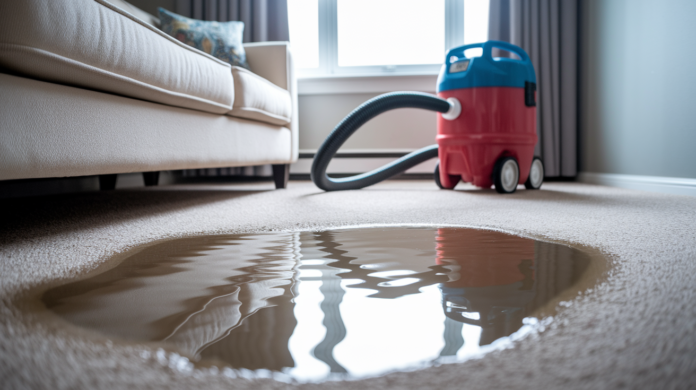
You just pulled up carpet in the corner, and it’s soaked through to the concrete. Can it be saved, or is it headed to the dumpster? The answer depends almost entirely on what was in that water and how fast you move. If the water came from a clean supply line and you start extraction within 24 hours, you’ve got a shot at saving the carpet. If it sat for two days, came from a sewer backup, or you’re not sure what flooded, the carpet’s done regardless of how new or expensive it is.
Carpet Salvage: Critical Factors and Immediate Decision Guide
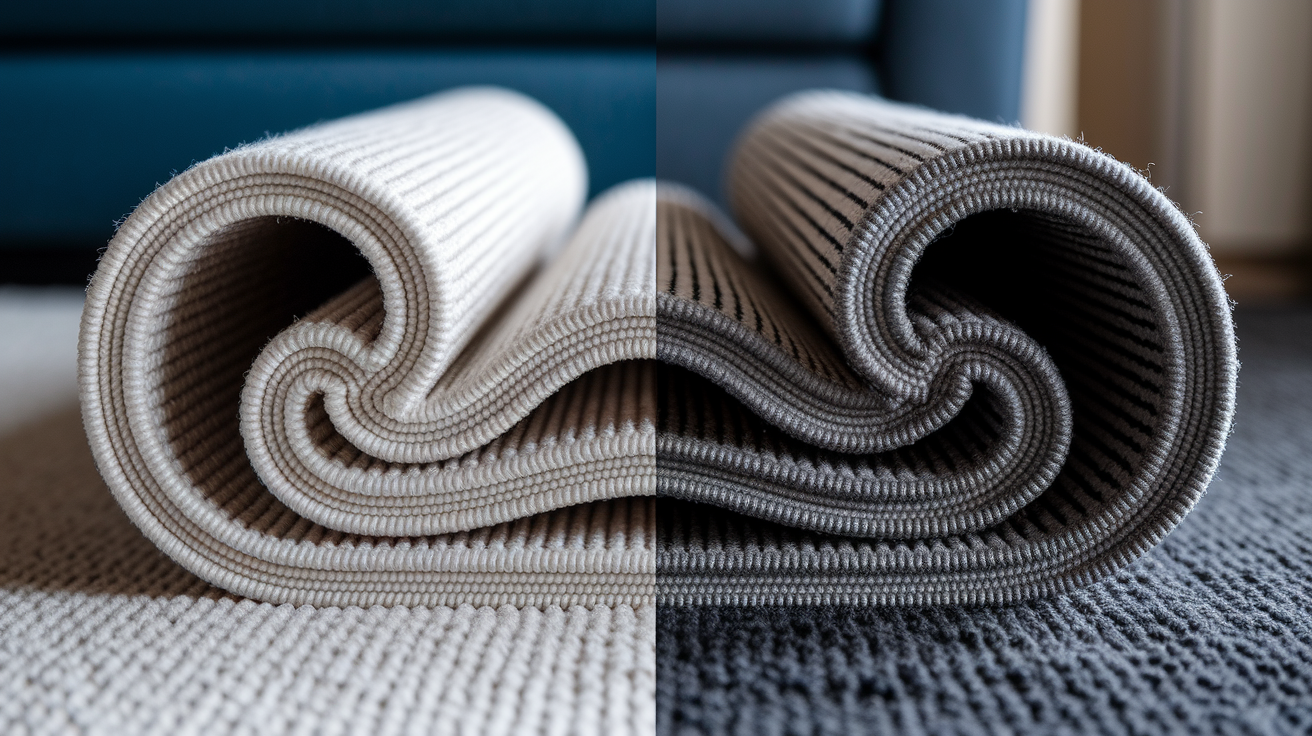
Can you save carpet after water damage? Yes, if the water was clean (Category 1 from supply lines), you act within 24 to 48 hours, and you extract water and dry everything properly. No, if the water had sewage or chemicals (Category 3 black water), if the carpet stayed wet past 48 hours, or if you can’t verify what was in the water. This framework applies to wall-to-wall carpet and area rugs both, though area rugs without foam backing have better salvage odds.
Water contamination level determines everything. Category 1 water comes from clean sources like burst supply pipes, leaking water heaters, or rainwater that hasn’t touched contaminated surfaces. This water can potentially allow carpet salvage if timing permits. Category 2 gray water contains bacteria from sources like washing machine discharge, dishwasher overflow, or toilet overflow with urine only. Marginal salvage situation requiring professional assessment. Category 3 black water comes from sewage backups, toilet overflow with feces, street flooding, or river water. Carpet exposed to this water can’t be saved and must be replaced immediately regardless of other factors. When you’re uncertain about water source or contamination level, EPA, FEMA, and CDC guidelines default to removal and replacement rather than restoration attempts.
The 24 to 48 hour window is absolute. Mold spores activate and begin colonization within this timeframe when moisture, organic material (carpet fibers), and temperature conditions align. According to EPA, FEMA, and CDC remediation standards, carpet wet for more than 48 hours must be removed and replaced regardless of water source, even if it was clean supply water initially. The biological clock starts when water contacts carpet, not when you discover the damage.
Critical first hour emergency actions to maximize carpet salvage potential:
- Stop the water source immediately (shut off supply valve, fix burst pipe, turn off appliance, seal roof leak)
- Verify electrical safety before stepping on wet carpet (shut off power to affected rooms at breaker panel if water reached outlets)
- Begin water extraction with wet/dry vacuum or carpet extractor if you own one (multiple passes removing all standing water)
- Photograph damage extent, water source, affected areas, and visible saturation for insurance documentation before moving anything
- Identify contamination level based on water source (supply line = Category 1, appliance discharge = Category 2, sewage or flooding = Category 3)
Carpet padding absorbs water, contamination, and residue like a sponge and can’t be adequately cleaned or dried in place. Even if the carpet surface dries successfully, padding remains a contaminated, moisture filled environment ideal for mold growth and bacterial colonization. Padding must be replaced in every water damage scenario, whether you save the carpet or not. The decision point becomes whether professional restoration costs for carpet cleaning plus padding replacement exceed the cost of full carpet and padding replacement. Call professionals for Category 2 water situations, contamination uncertainty, water damage exceeding 100 square feet, or if you lack extraction equipment and industrial fans.
Before touching wet carpet or padding, shut off electricity to affected rooms at the breaker panel to eliminate shock hazards. Wear rubber gloves rated for chemical protection, eye protection to prevent splash contamination, and a respirator mask if you suspect gray water or black water contact. Standing water near electrical outlets or appliances creates serious electrocution risk. Shut down power before assessment.
Water Contamination Categories and Their Impact on Carpet Salvageability

The water damage restoration industry uses a three category contamination system standardized across insurance, remediation, and public health guidelines. These categories determine salvageability more than any other factor because contamination directly affects health risk.
Category 1 clean water comes from sanitary sources like pressurized supply lines, melting ice, rainwater that hasn’t contacted soil or surfaces, and water heater tank leaks. Burst pipes under sinks, failed toilet supply lines, and refrigerator ice maker leaks fall into this category. The water was potable at the source. If you act within the 24 to 48 hour window and extract water quickly, Category 1 water damage offers the best salvage potential. However, clean water becomes Category 2 if it sits long enough to contact dust, building materials, and surfaces or if it remains on carpet beyond a few hours, allowing bacterial growth from organic carpet residue and skin cells.
Category 2 gray water contains biological or chemical contamination that poses health risks through contact or ingestion. Washing machine discharge water, dishwasher overflow, aquarium leaks, toilet overflow containing only urine, and sump pump failures produce gray water. This water carries bacteria, detergents, body fluids, or microorganisms that create unsanitary conditions. Carpet exposed to Category 2 water falls into marginal salvage territory. Technically cleanable with professional extraction, antimicrobial treatment, and thorough drying, but restoration costs often approach replacement costs, and success isn’t guaranteed. Age and condition of the carpet factor heavily into whether gray water restoration makes economic sense.
Category 3 black water contains pathogenic organisms, toxic chemicals, and hazardous materials requiring professional hazmat protocols. Sewage backups from blocked drain lines or overwhelmed municipal systems, toilet overflow with feces, street flooding that picked up petroleum products and chemicals, river or creek water, and long standing Category 2 water that degraded all produce black water. Carpet exposed to Category 3 water can’t be saved. Period. The contamination penetrates fibers and padding at a molecular level, creating permanent health hazards that cleaning and disinfection can’t adequately eliminate. Professional remediation companies will remove and dispose of black water carpet as contaminated waste material.
When water source or contamination level is uncertain, EPA, FEMA, and CDC guidelines recommend removal and replacement as the default action. Unknown flooding in a basement while you were away, water of unclear origin from an upstairs neighbor’s unit, or situations where water may have contacted sewage lines all fall into the “replace, don’t restore” category because health risk outweighs salvage value.
Drying Methods and Equipment for Wet Carpet Recovery
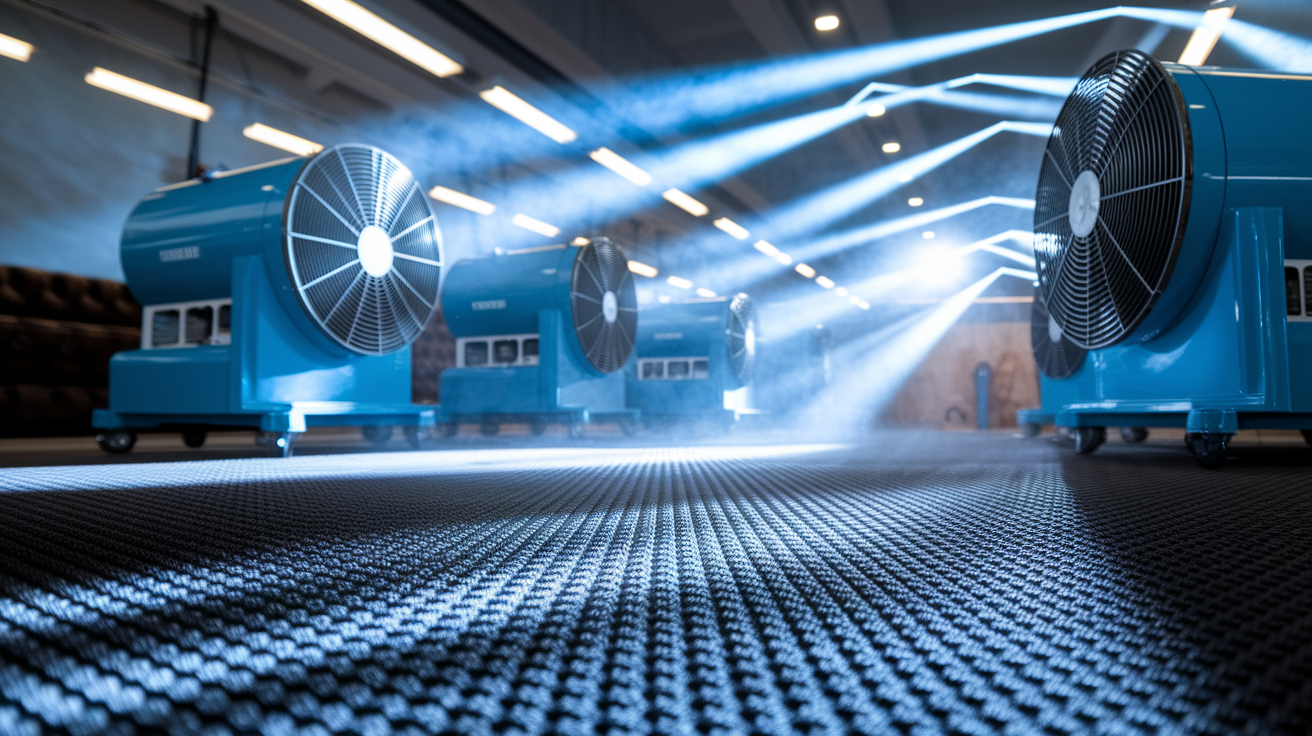
Speed matters because mold colonization begins within 24 to 48 hours, and complete drying must happen before that biological deadline. Wet carpet holds moisture in three layers. Surface fibers, carpet backing, and padding below. Plus the subfloor beneath everything. All four layers must reach dry conditions to prevent mold growth and secondary structural damage.
Household drying equipment includes box fans (500 to 1500 CFM airflow), portable dehumidifiers (30 to 50 pint daily capacity), and wet/dry shop vacuums for water extraction. This equipment works for small areas under 100 square feet, clean water situations caught within hours, and area rugs you can lift to expose padding and subfloor. A typical 12×12 bedroom requires at least three fans positioned to create cross ventilation, one dehumidifier running continuously, and 24 to 36 hours of operation to dry carpet and padding if water volume was moderate. Household equipment struggles with wall-to-wall carpet because you can’t create airflow beneath the carpet to dry padding and subfloor unless you pull back carpet edges. Extraction limitations also apply. Shop vacs remove surface water but lack the suction power to pull moisture from deep within padding.
Professional industrial drying equipment operates at a different scale entirely. Truck mounted extraction units generate 200+ inches of water lift, pulling moisture from padding depth that shop vacs can’t reach. Air movers produce 2000 to 3000 CFM airflow, creating rapid evaporation at the carpet surface and forcing moisture laden air toward commercial dehumidifiers handling 150+ pints daily. Injection drying systems blow heated air beneath carpet without removal, drying padding and subfloor simultaneously with surface fibers. Professional equipment cuts drying time to 12 to 18 hours for the same area that takes household equipment 36+ hours, which matters enormously when racing the mold colonization clock.
Best practices for accelerating carpet and subfloor drying:
- Extract water immediately with multiple passes rather than waiting for equipment (every gallon removed is one less gallon to evaporate)
- Create cross ventilation with fans positioned to move air across carpet surface, not just blow at one spot
- Run dehumidifiers in enclosed spaces with doors and windows closed to concentrate drying effect
- Lift area rugs off floor and prop on edge to expose backing and allow airflow on both sides
- Monitor humidity levels (should drop below 50%) and surface temperature (airflow creates evaporative cooling you can feel)
Monitoring moisture levels prevents the common mistake of stopping drying too early based on surface feel alone. Carpet surface may feel dry to touch while padding and subfloor remain damp. Moisture meters with pin type probes (6 to 8 inch pins that penetrate through carpet into padding) give objective readings. Dry carpet and padding read below 15% moisture content. Above 15% indicates continued drying needed. Above 20% means you’re losing the race against mold. Check multiple spots because water migrates to low areas, creating wet zones that surface inspection misses. Professional restoration companies map moisture readings to verify complete dryness before calling the job finished.
Carpet Padding Replacement and Subfloor Considerations

Carpet padding must be replaced after water damage. This rule has no exceptions. Professional restorers, EPA guidelines, and carpet manufacturers all agree on this universal requirement, regardless of water contamination category or how quickly you responded.
Padding acts as a contamination sponge and moisture reservoir even after carpet surface appears dry. Foam, rebond, and fiber padding types all absorb water, minerals, bacteria, dead skin cells from carpet traffic, and any contaminants the water carried. The dense cellular structure traps moisture deep within, creating ideal conditions for mold colonization and bacterial growth. Even Category 1 clean water leaves mineral deposits and residue that padding absorbs and retains. Professional extraction equipment pulls water from padding but can’t remove what the material absorbed at a cellular level. Air drying padding in place, even with industrial air movers, takes days and rarely achieves complete dryness throughout the material. Attempting to save padding creates a permanent moisture problem beneath carpet that leads to musty odors, mold growth, and carpet backing deterioration within weeks or months. You’ll smell the mistake before you see it.
Subfloor inspection must occur after padding removal and before installing new padding or reinstalling carpet. Pull back carpet edges and remove water damaged padding completely to expose the subfloor. Check for these conditions: standing water in low spots, dark discoloration indicating saturation, soft spots where plywood or OSB lost structural integrity, cupping or warping, visible mold growth, and moisture readings above 15% on a pin type meter. Concrete subfloors appear dry on the surface while retaining moisture internally for weeks. Moisture meter verification is mandatory. Wood subfloors that stayed wet beyond 48 hours often suffer permanent damage requiring panel replacement. Run fans and dehumidifiers across exposed subfloor until moisture readings stabilize in the 10 to 12% range for wood, below 4% for concrete. This verification step prevents trapping moisture under new padding, which guarantees mold problems and carpet failure.
Padding replacement cost runs $0.50 to $2.00 per square foot for material plus installation, compared to complete carpet replacement at $3.00 to $12.00 per square foot depending on carpet quality. A 200 square foot bedroom requires $100 to $400 for padding versus $600 to $2,400 for carpet and padding together. When professional restoration successfully dries and cleans salvageable carpet, the padding replacement cost is a mandatory addition. When restoration costs (extraction, drying, cleaning, padding replacement) approach 70% of full replacement cost, replacement usually makes more financial sense.
Cleaning and Disinfection Protocols for Salvageable Carpet

Drying removes moisture, but cleaning removes contaminants, residue, minerals, and bacteria that water deposited in carpet fibers. A carpet can be completely dry but still contaminated and unsafe until proper cleaning and disinfection occur.
Hot water extraction (commonly called steam cleaning, though the process uses hot water, not steam) is the professional standard for salvageable wall-to-wall carpet after Category 1 water damage. Truck mounted units heat water to 200+ degrees, inject cleaning solution and hot water deep into carpet fibers under pressure, then immediately extract with powerful vacuum suction. This process flushes out minerals, dissolved solids, bacteria, and residue that water deposited during the damage event. Multiple slow passes allow dwell time for cleaning agents to break down contaminants before extraction. Professional technicians adjust water temperature, chemical concentration, and extraction power based on carpet fiber type. Wool requires different treatment than nylon or polyester. The process removes what air drying alone can’t: the stuff that causes odor, discoloration, and microbial growth even in “dry” carpet.
Antimicrobial treatments prevent bacterial and mold growth after cleaning and drying. EPA registered disinfectants formulated for carpet application kill bacteria, inhibit mold spore activation, and create residual protection during the final drying phase when carpet is most vulnerable. Category 2 gray water situations require antimicrobial treatment as mandatory, not optional. Even Category 1 clean water benefits from treatment because water sat long enough to allow bacterial colonization on organic material (skin cells, food particles, pet dander embedded in carpet traffic areas). Application happens after hot water extraction cleaning, using spray equipment to achieve uniform coverage. Products containing quaternary ammonium compounds or hydrogen peroxide based formulations provide effective broad spectrum antimicrobial action without leaving residues that affect carpet texture or color.
Area rugs offer more cleaning options than wall-to-wall carpet. Small area rugs without foam backing can go through residential washing machines on gentle cycle with cold water and mild detergent. Check care labels first, and only attempt if rug meets salvage criteria (clean water, dried within 48 hours). Larger area rugs benefit from professional cleaning at facilities equipped with submersion washing, centrifuge extraction, and controlled drying rooms that prevent shrinkage and color bleeding. Some wool and natural fiber rugs require hand washing and flat drying to prevent distortion.
Odor control provides the real world test of restoration success. Musty, earthy, sour, or mildew smells after cleaning and complete drying indicate hidden moisture, trapped contamination, or mold colonization that cleaning didn’t eliminate. Odor masking products (deodorizers, air fresheners, carpet powders) temporarily cover smell but don’t solve the underlying contamination problem. When persistent odor remains three to five days after cleaning and final drying, the restoration attempt failed and carpet must be replaced. Trust your nose. It detects microbial growth and contamination that moisture meters and visual inspection miss.
Mold Growth Risks and Inspection Timing After Water Damage
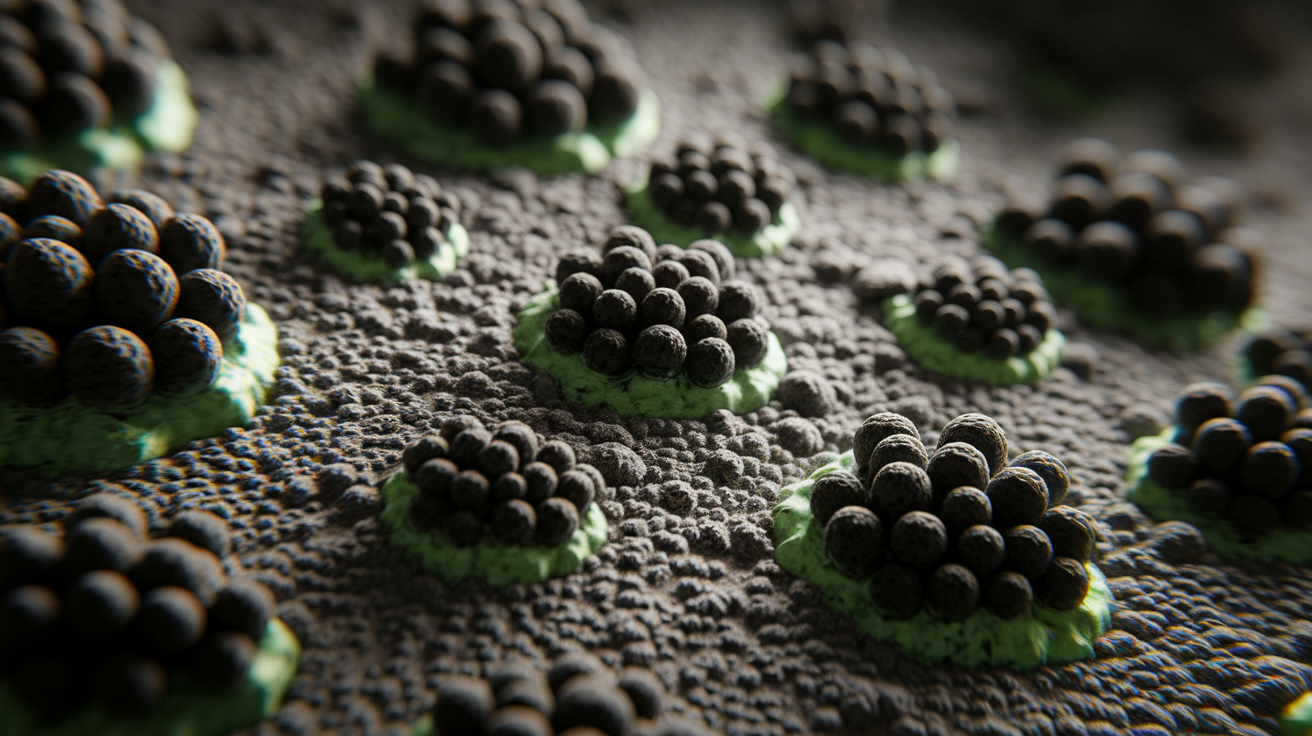
Mold spores exist everywhere in indoor and outdoor environments, dormant until moisture, organic food sources, and temperatures between 40 to 100 degrees create growth conditions. Wet carpet provides all three requirements, turning dormant spores into active colonies within the critical 24 to 48 hour window.
Health risks from mold exposure range from minor to severe depending on exposure duration, concentration, and individual sensitivity. Allergic reactions produce symptoms like sneezing, runny nose, eye irritation, and skin rashes in sensitive individuals within hours of exposure. Respiratory issues including coughing, wheezing, throat irritation, and difficulty breathing affect people with asthma or compromised immune systems more severely. Children, elderly individuals, and anyone with existing respiratory conditions face elevated risk from any mold exposure. Toxic mold varieties (like Stachybotrys chartarum, commonly called black mold) produce mycotoxins that cause more serious health effects including chronic fatigue, headaches, and neurological symptoms. Prolonged exposure to any mold type creates cumulative health effects that worsen over time.
Surface inspection catches obvious mold growth. Black, green, or white fuzzy spots on carpet surface, musty smell, visible discoloration. But misses hidden colonization below the surface. Mold grows in carpet backing (the fabric layer bonding fibers to the carpet structure), within padding, and on subfloor surfaces that remained damp beyond 48 hours. You might see clean carpet surface while massive mold colonies thrive in the padding just inches below. This hidden growth releases spores into indoor air, creating health hazards without visible evidence. Peeling back carpet corners for inspection reveals what surface appearance conceals, but this inspection should happen immediately before deciding whether to commit to restoration efforts.
Warning signs that mold growth has made carpet unsalvageable:
- Visible mold colonies (any color: black, green, white, orange, or pink) on carpet surface or backing
- Persistent musty, earthy, or sour odor that remains after cleaning and drying
- Carpet stayed wet beyond 48 hours before drying began
- Dark discoloration or staining on carpet backing or padding that wasn’t present before water damage
Professional mold inspection and air quality testing should occur if water damage exceeded the 24 to 48 hour critical window, if you suspect hidden growth, or if occupants develop respiratory symptoms after the water damage event. Certified mold inspectors use moisture meters, infrared cameras to detect hidden dampness, and air sampling to measure spore concentrations. Testing determines whether mold levels require professional remediation beyond simple carpet replacement. Indoor air should contain lower mold spore counts than outdoor air. When indoor counts exceed outdoor counts, contamination exists somewhere in the building envelope.
DIY Carpet Restoration Versus Professional Water Damage Services

DIY restoration makes sense for specific scenarios: small affected areas under 50 square feet, confirmed Category 1 clean water source, damage caught within 2 to 4 hours, and area rugs you can remove for outdoor drying. A bathroom sink supply line leak that you shut off immediately, affected only the bath mat and small carpet area, and got extracted within an hour falls solidly into DIY capability, assuming you own a wet/dry vacuum, fans, and dehumidifier.
DIY limitations become apparent as damage scale, water volume, or affected square footage increases. Household extraction equipment lacks the suction power to remove water from deep within carpet padding, leaving 30 to 40% of moisture behind even after multiple vacuum passes. Box fans move air across carpet surface but can’t create the rapid evaporation rates that industrial air movers produce. Room dehumidifiers handle moisture loads from normal humidity but struggle with the volume of water evaporating from carpet. They fill collection tanks every few hours, interrupting the drying process. DIY equipment might take 48 to 72 hours to achieve dryness that professional equipment completes in 12 to 18 hours, and that time difference determines whether you beat mold colonization. Inspection expertise also matters. Knowing where water migrates, how to verify subfloor dryness, and recognizing early mold growth requires experience most homeowners lack. Liability creates another concern: DIY restoration that fails leads to mold problems, carpet replacement costs, and potential health issues without insurance coverage or professional guarantees.
Professional restoration companies bring industrial equipment orders of magnitude more powerful than household tools. Truck mounted extraction units generate suction measured in hundreds of inches of water lift, pulling moisture from padding that remains wet after DIY vacuum attempts. Air movers producing 2000 to 3000 CFM each (compared to 500 to 1500 CFM box fans) create rapid surface evaporation and air circulation that accelerates drying dramatically. Commercial dehumidifiers handling 150+ pints daily versus 30 to 50 pint household units remove moisture from air before saturation slows evaporation. IICRC certified technicians understand water migration patterns. How water follows gravity to low spots, wicks up drywall from floor contact, and travels beneath flooring to areas far from the visible damage. They use moisture mapping to track hidden dampness and verify complete drying. Insurance coordination provides another advantage. Restoration companies work directly with adjusters, document damage per insurance requirements, and bill insurance directly in many cases.
| Factor | DIY Approach | Professional Restoration |
|---|---|---|
| Equipment Power | Household shop vac (50 to 70 CFM suction), box fans (500 to 1500 CFM), 30 to 50 pint dehumidifier | Truck mounted extraction (200+ inches water lift), air movers (2000 to 3000 CFM), 150+ pint commercial dehumidifiers |
| Drying Speed | 48 to 72 hours for moderate damage, often exceeds mold colonization window | 12 to 24 hours for most residential damage, stays within critical timeline |
| Contamination Handling | Limited to Category 1 clean water only; no capability for gray or black water | Equipped for all contamination categories with antimicrobial treatment, proper disposal protocols |
| Cost | Equipment rental $100 to 300 plus labor; replacement cost if restoration fails | $500 to 3000+ depending on area, often partially or fully covered by insurance |
| Success Rate | 60 to 70% for ideal conditions (small area, immediate response); drops significantly for larger damage | 85 to 95% when started within critical window; guaranteed with warranty backing |
Cost benefit analysis tips toward professional service when insurance covers water damage restoration (most homeowner policies cover sudden pipe bursts and appliance failures), when affected area exceeds 100 square feet, or when water category and timing create marginal salvage conditions. Professional restoration with guarantee costs $2 to 5 per square foot for extraction, drying, and cleaning plus mandatory padding replacement versus DIY equipment rental and uncertain outcome. For further details on the complete professional restoration process, see the Water Damage Restoration Process. When restoration attempt fails due to inadequate drying or hidden mold growth, you pay replacement costs anyway, making the initial DIY savings disappear.
When to Replace Carpet Instead of Attempting Restoration
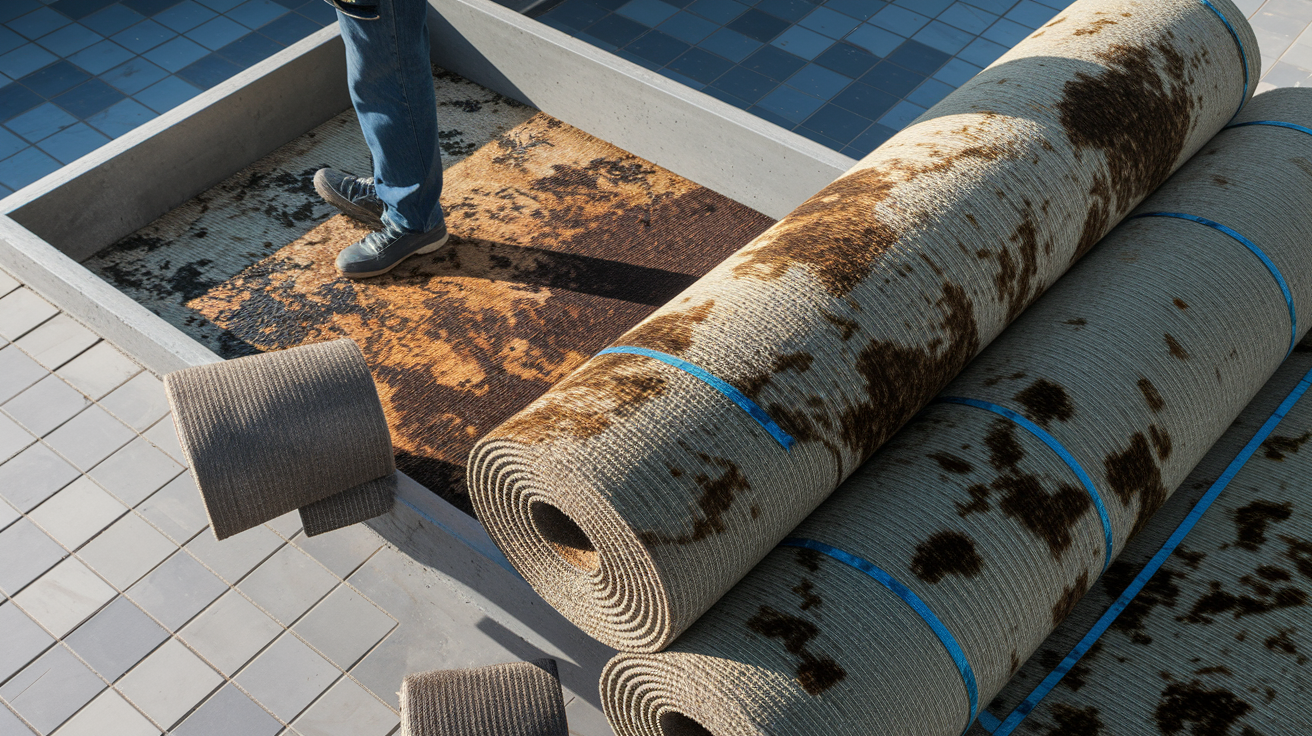
Category 3 black water exposure means automatic replacement with no debate. Sewage backups, toilet overflow containing feces, street flooding, creek or river water, and long standing water (beyond 48 hours) that degraded to black water category all require immediate carpet removal and disposal. Contamination penetrates carpet fibers, backing, and padding at levels that cleaning can’t adequately eliminate, creating permanent health hazards from pathogenic bacteria, parasites, and toxic materials. Professional restoration companies treat black water carpet as contaminated waste requiring special disposal.
Marginal situations where replacement makes more sense than restoration attempts include carpet near end of useful life (already showing wear, fading, or previous damage), extensive damage exceeding 50% of total carpet area, unknown contamination where you can’t verify water source, and previous water damage to the same carpet. A 12 year old carpet with existing traffic wear that suffered clean water damage might technically be salvageable, but restoration costs for a carpet with only 2 to 3 years of useful life remaining makes replacement the smarter financial choice. Multiple water damage events compound deterioration. Carpet that survived one water incident weakens, and the second event often causes irreversible damage the first event didn’t produce.
Definitive indicators that carpet replacement is necessary:
- Any exposure to Category 3 black water (sewage, flooding, contaminated water)
- Carpet remained wet for more than 48 hours before drying began
- Visible mold growth on carpet surface, backing, or padding (any color or extent)
- Strong persistent musty or sewage odor that remains after extraction and cleaning
- Water source or contamination level can’t be determined with certainty
- Carpet shows permanent staining, discoloration, or delamination (backing separating from fibers)
Cost comparison factors determine the replacement decision for marginal cases. Professional restoration includes water extraction ($0.75 to 1.50/sq ft), equipment rental and drying ($1.00 to 2.00/sq ft), antimicrobial treatment ($0.50 to 1.00/sq ft), cleaning ($0.50 to 1.50/sq ft), and mandatory padding replacement ($0.50 to 2.00/sq ft). Total restoration ranges from $3.25 to 8.00 per square foot. New carpet installation costs $3.00 to 12.00 per square foot depending on carpet quality, with builder grade options at $3 to 5/sq ft, mid grade at $5 to 8/sq ft, and premium at $8 to 12/sq ft. When restoration costs exceed 70% of replacement cost, especially for older carpet with limited remaining lifespan, replacement provides better long term value. A 200 square foot room requires $650 to 1,600 for restoration versus $600 to 2,400 for complete replacement with new carpet and padding.
Insurance Claims and Documentation for Carpet Water Damage

Notify your insurance carrier immediately after water damage occurs, ideally within 24 hours. Most homeowner policies require prompt notification, and delayed reporting can affect coverage or raise questions about damage extent. Review your policy’s water damage coverage provisions while waiting for the adjuster. Most policies cover sudden and accidental water damage from burst pipes, appliance failures, and roof leaks, but exclude flood damage requiring separate flood insurance.
Documentation practices protect your claim and create the evidence adjusters need to assess damage and approve coverage. Before extracting any water or moving anything, photograph and video record the entire affected area from multiple angles showing water source, standing water depth, saturation extent, and every damaged item. Capture close ups of the water source (burst pipe, failed appliance connection, toilet overflow). Photograph carpet padding after lifting carpet corners to document saturation. Record timestamps by including your phone’s time display in photos or videos. Write down the timeline: when water damage likely started, when you discovered it, what caused it, and what immediate actions you took. Save receipts for emergency services, equipment rental, hotel stays if displacement occurred, and any supplies purchased. Create a written inventory of damaged personal property on the carpet (furniture, electronics, stored items) with estimated values and purchase dates if known.
Working with insurance adjusters requires understanding what they evaluate when assessing carpet salvageability. Adjusters look at water category and contamination source first. Category 1 clean water keeps restoration options open, while Category 2 or 3 contamination typically results in replacement approval. They document time elapsed between water contact and mitigation efforts because 48+ hours eliminates salvage regardless of other factors. Age and pre-existing condition factor into valuation. Adjusters assess whether carpet was new, mid life, or near replacement due to wear. They calculate depreciation based on useful life (carpet typically depreciates over 5 to 10 years) and determine actual cash value versus replacement cost coverage per your policy terms. Restoration versus replacement coverage differences matter: policies may cover actual restoration costs up to a certain threshold, then switch to replacement authorization if restoration costs exceed that percentage. Provide the adjuster with contractor estimates for both restoration and replacement to facilitate their evaluation.
Process for documenting and filing carpet water damage insurance claims:
- Photograph entire affected area, water source, saturation extent, and damaged items before any water extraction or cleanup begins
- Contact insurance carrier within 24 hours to report claim and receive claim number (delays can affect coverage or raise questions)
- Stop additional water flow (shut off water supply, fix source) and begin emergency mitigation to prevent further damage (extraction, drying)
- Create written timeline documenting when damage occurred, when discovered, cause, and all actions taken with timestamps
- Obtain written estimates from licensed restoration contractors and carpet replacement contractors for adjuster comparison
Common coverage exclusions affect carpet water damage claims. Flood insurance (separate from homeowner policies) is required for damage from external flooding, storm surge, or overflowing bodies of water. Most standard homeowner policies exclude flood damage entirely. Gradual leaks or maintenance related damage (slow pipe corrosion, long term seepage) often face coverage denials because policies cover sudden and accidental damage, not deferred maintenance. Sewer backup coverage requires a separate endorsement in many policies. A main sewer line backup that floods your basement might not be covered under standard homeowner policies. Mold remediation may be capped at $5,000 to 10,000 even if mold resulted from covered water damage. For comprehensive guidance on documentation requirements and adjuster communication strategies, see Filing a Water Damage Insurance Claim. Deductible applies to the claim total. If restoration costs $2,500 and your deductible is $1,000, insurance pays $1,500.
Carpet Type Considerations: Synthetic, Wool, and Berber After Water Damage
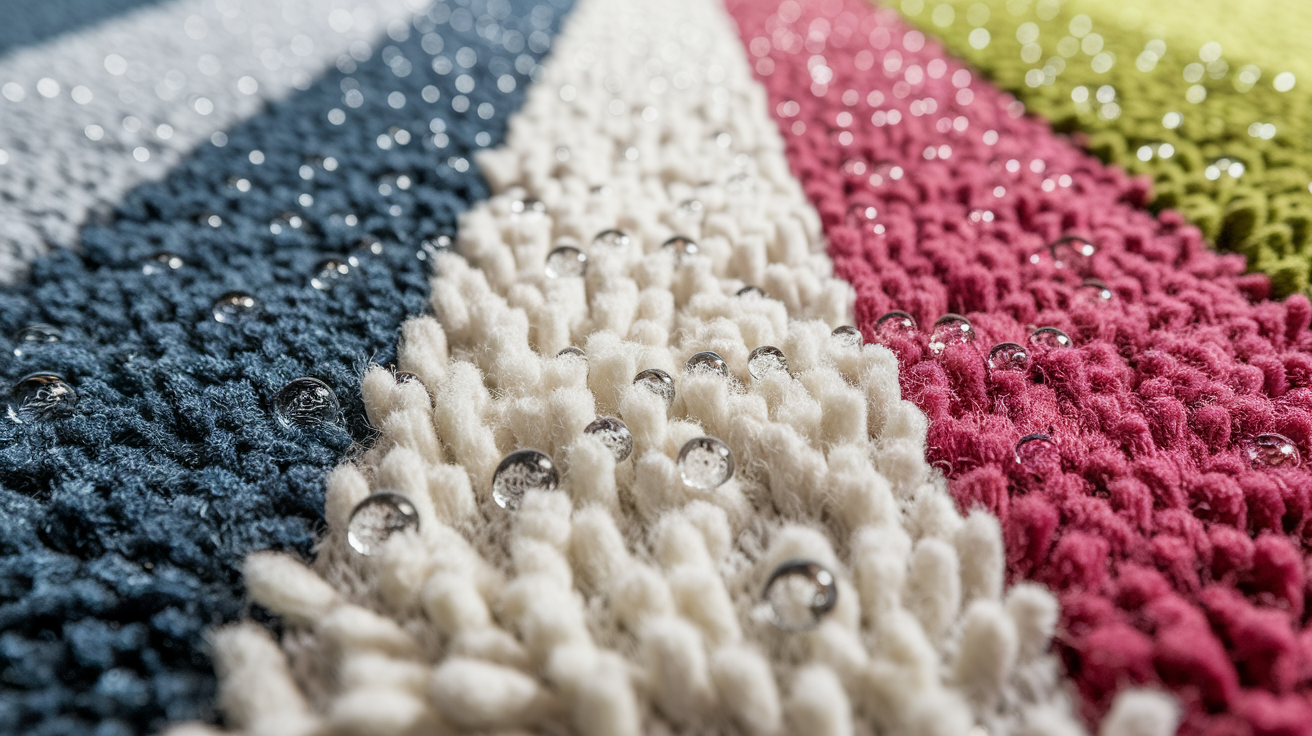
Synthetic carpet fibers (nylon, polyester, polypropylene/olefin) provide water damage advantages that make them more salvageable than natural materials. Nylon resists mold growth better than natural fibers, dries relatively quickly, and maintains structural integrity when wet. Polyester repels water to some degree and doesn’t absorb moisture as readily as wool. Polypropylene offers the best moisture resistance of common carpet fibers. It’s essentially plastic and won’t absorb water into fiber structure, only holding moisture on fiber surfaces and in backing. Synthetic backing materials (latex, polyurethane) also resist water better than natural jute backing. These properties give synthetic carpets fighting chance for successful restoration when Category 1 water and timing conditions are favorable.
Natural fiber carpets face significant challenges with water damage, often making replacement more practical than restoration attempts. Wool absorbs moisture readily and holds it within fiber structure, making drying slow and incomplete. Even after apparent drying, wool retains enough moisture to support mold growth and develops permanent musty odor that professional cleaning can’t eliminate. Wool shrinks and distorts when wet, especially if exposed to hot water during cleaning, causing carpet dimensions to change by 2 to 5% and creating buckling or gaps when reinstalled. Color bleeding occurs with many wool carpets, especially those with multiple colors, creating permanent staining and dye transfer. Jute backing (common on natural fiber carpets) deteriorates when wet, losing structural integrity and developing dry rot even after drying. Natural materials like cotton, sisal, and seagrass suffer similar problems with moisture retention, mold susceptibility, and structural deterioration. Water damage restoration professionals often recommend automatic replacement for wool and natural fiber carpet regardless of water category or response timing because successful restoration rates are low and problem recurrence is high.
Berber and loop pile carpet construction creates specific water damage vulnerabilities beyond fiber type concerns. Loop construction (where fibers form continuous loops rather than cut pile) catches on carpet cleaning equipment, extraction wands, and traffic after water damage, causing loops to snag and pull. Once one loop pulls, the entire run unravels, creating permanent damage that repair can’t fix. Water saturation causes carpet backing to relax and stretch, especially with heavy water weight. After drying, re-stretching is usually necessary to remove buckling and ripples, but re-stretching creates additional loop snag risk. Berber padding show through becomes visible after water damage and re-stretching because backing becomes slightly transparent or changes texture. Dense loop construction also traps water and moisture more effectively than cut pile, making thorough drying difficult and increasing mold risk in the loops’ base where they attach to backing.
Area rugs offer significant salvage advantages over wall-to-wall carpet. You can remove area rugs immediately, take them outdoors or to a garage for inspection and drying, and create airflow on both face and backing sides. Outdoor drying in sun and wind accelerates moisture removal naturally. Smaller rugs fit in washing machines for thorough cleaning. Professional rug cleaning facilities use submersion washing, centrifuge extraction, and controlled drying rooms that wall-to-wall carpet can’t access. Area rugs without attached padding (just the rug itself) eliminate the padding contamination problem that dooms most wall-to-wall restoration attempts. These advantages give area rugs 70 to 80% salvage rates versus 40 to 50% for wall-to-wall carpet in equivalent damage scenarios.
Manufacturer warranty implications matter for newer carpet. Most carpet warranties (stain resistance, wear, texture retention) become void after water damage regardless of restoration quality or success. Insurance settlements for carpet replacement typically don’t include warranty coverage. You get paid for carpet value, not for reinstating warranty coverage. This reality affects the repair versus replacement decision: successful restoration of two year old carpet leaves you without the remaining 8 to 10 years of manufacturer warranty you originally had, while replacement provides a new warranty period. Document original carpet purchase information, warranty terms, and installation date for insurance claims. It strengthens your position for replacement coverage versus depreciated repair value.
Prevention and Water Source Control to Protect Carpet
Residential water threats to carpeted areas come from predictable sources, most of which are preventable through maintenance and monitoring. Supply line leaks develop at compression fittings under sinks, behind toilets, and at appliance connections where rubber washers and ferrules deteriorate over time. Washing machine supply hoses (especially rubber braided type) fail after 5 to 8 years, sending 60 PSI supply water across laundry room floors into adjacent carpeted spaces. Water heater tank corrosion creates slow leaks that saturate carpet gradually, then sudden failures that flood 40 to 80 gallons. HVAC condensation from clogged drain lines backs up into drip pans, overflows, and seeps through ceilings onto carpet below. Basement seepage through foundation cracks and floor joints ruins carpet during heavy rain events. Dishwasher supply line failures and door seal leaks send water across kitchen floors into dining areas and hallways.
Proactive measures prevent most residential carpet water damage before it starts. Schedule annual plumbing inspections focusing on supply line connections, shut off valve operation, and visible corrosion or mineral deposits indicating slow leaks. Replace washing machine supply hoses every five years regardless of appearance. Rubber deteriorates internally before showing external cracking. Install braided stainless steel hoses rated for continuous pressure, and consider lever style shut off valves you can close quickly when the machine isn’t in use. Inspect water heater tanks every six months for corrosion, mineral deposits at tank base, and drip pan condition (if installed). Replace water heaters at 10 to 12 years even if still functioning because catastrophic failure risk increases dramatically after a decade. Service HVAC systems annually including condensate drain line cleaning and drip pan inspection. For basement carpet, address foundation water intrusion with exterior drainage improvements (downspout extensions, yard grading) and interior solutions (sump pump installation, perimeter drain systems) before finishing basements with carpet. Check dishwasher door seals for cracks or looseness, and inspect the supply line connection point where the braided hose connects to the shut off valve.
Prevention measures to protect carpet from water damage:
- Replace washing machine supply hoses every 5 years with braided stainless steel type (rubber hoses fail unpredictably, often while machine is running)
- Install water heater drain pans with drain line to floor drain or exterior (catches leaks before they spread)
- Schedule annual plumbing inspection of supply line connections, shut off valves, and appliance hookups
- Clean HVAC condensate
Final Words
Whether you can save carpet after water damage comes down to three things: water type, how fast you act, and whether you’re willing to replace the padding underneath.
Clean water from a supply line caught in the first 24 hours? You’ve got a shot if you extract hard and dry fast.
Sewage backup or water sitting for two days? That carpet is done, no debate.
The 48-hour window isn’t flexible. Mold doesn’t care about your budget or how new the carpet is.
Stop the water, pull the padding, get air moving, and decide quickly. The longer you wait to commit to restoration or replacement, the more the decision gets made for you.
FAQ
Can carpet be saved after water damage?
Carpet can be saved after water damage if the water was clean (Category 1), the carpet has been wet for less than 48 hours, and you extract the water and dry it completely within that window. However, carpet exposed to contaminated water from sewage backups or street flooding cannot be saved and must be replaced immediately. The padding underneath always needs replacement regardless of whether you salvage the carpet.
How long can carpet be wet before it is ruined?
Carpet can be wet for a maximum of 48 hours before it is ruined, according to EPA, FEMA, and CDC guidelines. Mold colonization begins between 24-48 hours in wet conditions, making the carpet unsalvageable even if you dry it later. If your carpet has been wet longer than 48 hours, you must remove and replace it regardless of the water source or how clean it was originally.
How long does it take for carpet to dry after water damage?
Carpet takes 24-72 hours to dry after water damage depending on humidity levels, air circulation, and the drying equipment you’re using. Professional industrial air movers and dehumidifiers can achieve complete drying in 24-36 hours, while household fans and portable dehumidifiers typically require 48-72 hours. You must also dry the subfloor underneath, not just the carpet surface, before the 48-hour deadline.
How do you restore water damaged carpet?
You restore water damaged carpet by first extracting all standing water with a wet/dry vacuum, then running fans and dehumidifiers continuously for 24-48 hours to dry both carpet and subfloor completely. After drying, you must replace the padding, then professionally steam clean the carpet with hot-water extraction and antimicrobial treatment if the water was clean. Skip restoration and replace the carpet immediately if sewage or contaminated water was involved.
What are the three water contamination categories that affect carpet salvageability?
The three water contamination categories that affect carpet salvageability are Category 1 (clean water from supply lines or rain), Category 2 (gray water from appliances with bacteria), and Category 3 (black water from sewage or flooding with pathogens). Only Category 1 water allows potential carpet salvage if you act within 48 hours, while Category 3 water requires immediate carpet replacement for health safety.
Why must carpet padding always be replaced after water damage?
Carpet padding must always be replaced after water damage because it absorbs water like a sponge and cannot be adequately dried or cleaned, even with professional equipment. The padding retains contamination, bacteria, and moisture that create ideal mold growth conditions underneath your carpet. Attempting to reuse wet padding will cause odor, mold, and carpet deterioration regardless of how well you dry the carpet surface.
What equipment do you need to dry wet carpet successfully?
You need to dry wet carpet successfully with a wet/dry vacuum for water extraction, multiple box fans or air movers for air circulation, and a dehumidifier to remove moisture from the air. You also need a moisture meter to verify the carpet and subfloor are completely dry before stopping the drying process. Professional restoration uses truck-mounted extractors and commercial dehumidifiers that dry significantly faster than household equipment.
When should you call a professional instead of attempting DIY carpet restoration?
You should call a professional instead of attempting DIY carpet restoration when the affected area exceeds 100 square feet, the water sat for more than 12 hours, you cannot identify the water source, or the subfloor shows moisture damage. Professionals have industrial extraction and drying equipment that’s orders of magnitude more powerful than household tools, plus IICRC certification to handle contamination safely and coordinate insurance claims.
What are signs that mold has made carpet unsalvageable?
Signs that mold has made carpet unsalvageable include visible black, green, or white growth on carpet surfaces, persistent musty odor even after drying, visible mold on the padding or subfloor when you lift the carpet edge, and any respiratory irritation or allergic reactions when entering the room. If the carpet was wet for more than 48 hours, assume mold colonization has occurred even without visible signs.
Does homeowners insurance cover carpet water damage restoration?
Homeowners insurance covers carpet water damage restoration when the damage results from sudden, accidental incidents like burst pipes or appliance failures, but typically excludes flood damage from external water sources. You must document the damage with photos before starting extraction, notify your insurer promptly, and keep receipts for all emergency services and restoration work. Coverage depends on your specific policy, deductible, and whether the water source falls under covered perils.
How do synthetic and wool carpets differ in water damage salvageability?
Synthetic and wool carpets differ in water damage salvageability because synthetic fibers like nylon and polyester resist mold growth better and dry faster, while wool absorbs more water, shrinks during drying, and develops permanent odor even from clean water exposure. Wool carpets are more likely to require replacement after water damage, whereas synthetic carpets have higher salvage potential if you act within the 48-hour window and follow proper drying protocols.
What should you do in the first hour after discovering water damaged carpet?
In the first hour after discovering water damaged carpet, you should shut off the water source, turn off electricity to the affected room at the circuit breaker, extract standing water with a wet/dry vacuum, take photos for insurance documentation, and assess whether the water was clean or contaminated. Start air circulation immediately with fans and open windows if weather permits, then decide whether to attempt DIY restoration or call professionals based on the contamination level and damage extent.