

Wet carpet sitting in your basement right now is costing you money every hour you wait. The longer it stays, the more you’ll pay to fix what’s underneath. Most homeowners focus on carpet replacement prices and miss the real costs hiding below: subfloor damage, mold remediation, and contamination levels that can triple your bill. This guide breaks down actual removal and replacement costs ranging from $4.20 to $12.55 per square foot, explains what drives those price swings, and shows you where cutting corners now creates expensive problems later.
Total Project Cost: Removing and Replacing Water-Damaged Carpet

You’re looking at $4.20 to $12.55 per square foot to pull out wet carpet and put in new stuff. For a standard 200 square foot room, that’s roughly $840 to $2,510. This covers the whole job, from getting water out to walking on fresh carpet. The range? It’s wide because there’s a big difference between a simple leak with basic carpet versus contaminated water that needs serious remediation and premium replacement.
Here’s what trips people up. They think about carpet costs and maybe labor, but the total bill includes way more. You’ve got water extraction if there’s still standing water. Professional removal of soaked carpet and padding. Disposal fees for all that wet material. Subfloor inspection and treatment. Days of drying and dehumidification. New padding. The carpet itself. Installation labor. Moving furniture around. Skip any of these to save a few bucks and you’re setting yourself up for mold or flooring that fails in six months.
| Project Component | Cost Range Per Sq Ft | Typical 200 Sq Ft Room |
|---|---|---|
| Wet carpet removal | $1.20 – $1.55 | $240 – $310 |
| Disposal fees | $0.45 – $0.60 | $90 – $120 |
| Padding replacement | $0.50 – $1.00 | $100 – $200 |
| Subfloor treatment/drying | $0.30 – $1.50 | $60 – $300 |
| New carpet material | $1.00 – $6.00 | $200 – $1,200 |
| Professional installation | $0.50 – $2.00 | $100 – $400 |
| Furniture moving | $0.25 – $0.50 | $50 – $100 |
Carpet quality drives a lot of the price swing. Builder grade polyester with basic foam padding sits at the low end. Premium wool or nylon with high density memory foam padding? That pushes you way up. Where you live matters too. Urban restoration outfits charge $75 to $125 per hour while rural contractors might run $40 to $60.
These numbers assume clean water and no major surprises. Sewage contamination, widespread mold, subfloor replacement, or structural rot? Your costs can easily triple. A straightforward bedroom with minimal water hits the low range. A basement flood with sewage backup is a different story entirely.
Key Factors That Increase Wet Carpet Replacement Costs

Water damage severity and what’s actually in that water create the biggest cost swings. We’re talking about estimates that can double or triple once reality sets in.
Contamination type changes everything about the job and the price tag. Clean water from a burst supply line or leaky appliance is the easiest scenario, running $4.20 to $7.50 per square foot for complete removal and replacement. Gray water from washing machine discharge or dishwasher overflow has some contaminants in it, bumping costs to $6.00 to $10.00 per square foot because of extra cleaning steps and safety gear. Black water from sewage backups or overflowing toilets? That’s an immediate call to professionals with full antimicrobial treatment, protective equipment, and specialized disposal running $10.00 to $25.00 per square foot. If it’s black water, there’s no question about saving the carpet. Everything comes out immediately, no matter how it looks.
Subfloor damage is the surprise cost that homeowners don’t see coming until contractors rip up the wet carpet. Pros use moisture meters to check saturation levels in multiple spots. Plywood or particle board that’s been wet for more than 24 hours often needs repairs at $2 to $10 per square foot for patches, or full replacement at $3 to $10 per square foot when you’ve got warping, delamination, or rot happening. Concrete handles water better but still needs thorough drying. Usually 3 to 7 days with commercial dehumidifiers before you can install anything new. Severe problems like joist damage from long term moisture? You’re looking at $10 to $67 per square foot and you’ll need carpenters or structural specialists, not just flooring crews.
Mold remediation becomes necessary when moisture sits in carpet and padding beyond 24 to 48 hours. Dark, damp organic materials are basically mold heaven. Professional testing runs $200 to $600 to figure out what species you’ve got and how bad it is. Though honestly, if you can see it or smell that musty odor, you already know enough to start removal. Certified mold remediation specialists charge $15 to $30 per square foot for proper containment, removal, HEPA filtration, antimicrobial treatment, and clearance testing. They seal off areas with plastic sheeting, establish negative air pressure, remove everything contaminated including carpet, padding, and sometimes drywall, treat surfaces with antimicrobial solutions, and verify it worked through post treatment testing. You can’t legally or safely handle this yourself in most places. Insurance companies want certified professionals if you’re filing a claim.
What pushes projects into the expensive range:
- Water contamination category (clean, gray, or black water)
- How bad the subfloor damage is
- Mold presence and severity
- Structural problems like joist rot or foundation issues
- Emergency timing (after hours or weekend response)
- Total square footage across multiple rooms or levels
- Accessibility challenges in finished basements or multi story buildings
Water damage restoration companies become mandatory, not optional, when you’ve got contaminated water, mold growth, or structural concerns. These firms carry IICRC certification, commercial grade extraction and drying equipment, and liability insurance that regular carpet installers don’t have. Restoration companies charge premium rates ($125 to $200 per hour) compared to carpet installers ($40 to $80 per hour), but they provide documentation, moisture monitoring, and guarantees that protect you and satisfy insurance requirements. Many subcontract the final carpet install to flooring specialists, which adds a coordination step but ensures each phase meets professional standards.
Insurance Coverage and Claim Process for Wet Carpet Replacement

Most homeowners insurance covers sudden and accidental water damage. Burst pipes, appliance malfunctions, that kind of thing. But not gradual damage from long term leaks or poor maintenance. Flood damage from external water sources needs separate flood insurance through FEMA’s National Flood Insurance Program or private carriers. Sewage backup coverage usually requires a separate endorsement costing $50 to $200 annually, but it’s essential if you’ve got basement carpet.
Documentation makes or breaks your claim. Take photos and videos immediately showing water levels, affected areas, and carpet condition before you start cleanup. Record moisture meter readings if you’ve got access to one, noting specific measurements and locations throughout the room. Get written estimates from at least two licensed restoration companies detailing removal costs, drying requirements, and replacement pricing. Save receipts for emergency steps like renting wet dry vacuums or buying fans, since policies typically cover reasonable efforts to prevent further damage. Create a written timeline documenting when the water damage happened, when you found it, and what you did hour by hour during the first 24 to 48 hours.
The claim process follows a pretty predictable path when you handle it right:
- Contact your insurance company within 24 hours of discovering damage, even if you’re unsure about coverage, to establish the official claim date and get your claim number
- Document everything with photos, videos, moisture readings, and detailed notes about the water source, extent of damage, and affected materials before any cleanup beyond emergency mitigation
- Start emergency mitigation immediately to prevent further damage, saving all receipts, since policies require you to minimize losses
- Schedule the adjuster inspection as quickly as possible, walking them through the damage while referencing your documentation and explaining the water source and timeline
- Review the adjuster’s estimate carefully, comparing their scope and pricing against contractor quotes, and request supplements for anything they underestimated or missed
- Get final approval in writing before authorizing major restoration work beyond emergency drying, confirming covered amounts and any depreciation or betterment deductions
Depreciation versus replacement cost coverage significantly impacts your out of pocket expenses. Actual cash value policies only pay the depreciated value of your 8 year old carpet, maybe $2 per square foot when replacement costs $8 per square foot. You’re covering the $6 difference. Replacement cost coverage pays the full amount to install equivalent new carpet, though most policies require you to complete the work and submit receipts before issuing final payment beyond depreciated value. The replacement cost endorsement typically adds $100 to $200 annually to premiums but can save thousands when water damage happens.
Many restoration companies work directly with insurance carriers, billing them and collecting your deductible plus any uncovered amounts from you after the adjuster approves the claim. This simplifies things but requires clear written agreements about who pays what if the insurance company disputes charges or reduces the approved amount. Get everything in writing before work starts, including what happens if insurance pays less than the contractor’s bid.
DIY Versus Professional Wet Carpet Removal: Cost and Risk Analysis
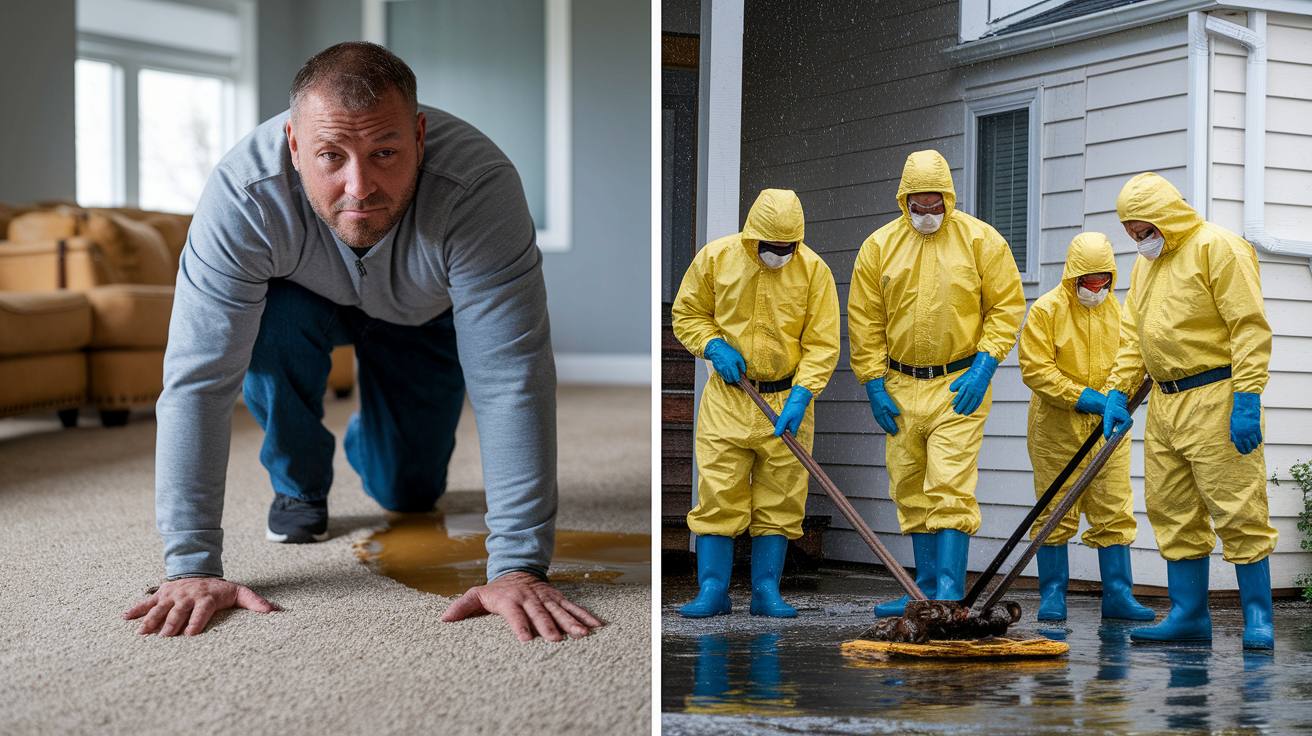
Wet carpet removal presents fundamentally different challenges than pulling up dry carpet. There are hidden health risks and technical requirements that make DIY approaches dangerous for most homeowners.
Minor clean water incidents from small leaks caught within hours sometimes allow DIY removal if you act immediately and conditions stay favorable. A small bathroom with 50 square feet of damp carpet from an overflowing sink, where water didn’t reach the padding and walls stayed dry, falls within DIY scope for homeowners with basic tools and strong backs. You’ll need a utility knife, pry bar, pliers, heavy duty trash bags, respirator mask rated for mold spores, waterproof gloves, and a vehicle capable of transporting wet carpet to disposal sites. Basic equipment rental costs $75 to $150 for moisture meters, commercial fans, and dehumidifiers needed for proper drying.
Contaminated water, mold presence, or significant damage require professional restoration companies regardless of your DIY skills or cost concerns. Black water from sewage or toilet overflows contains dangerous pathogens including E. coli, hepatitis, and parasites that create serious health risks through skin contact or airborne particles during removal. Gray water from washing machines or dishwashers contains bacteria, detergents, and contaminants that need protective equipment and disposal protocols beyond homeowner capability. Any visible mold growth or musty odors indicate fungal colonization requiring certified remediation with containment barriers, negative air pressure, and HEPA filtration. Subfloor damage, structural concerns, or water affecting multiple rooms create complexity requiring professional assessment, specialized equipment, and documentation for insurance and future home sales.
| Factor | DIY Approach | Professional Service |
|---|---|---|
| Cost | $150 – $300 for tools, disposal, and drying equipment rental | $1.20 – $1.55 per square foot for proper removal and treatment |
| Time Required | 8 – 16 hours over several days for small room | 2.5 – 4.5 hours for removal, plus 3 – 7 days for monitored drying |
| Equipment Needed | Basic hand tools plus rented moisture meter, fans, dehumidifier | Industrial extractors, air movers, commercial dehumidifiers, moisture mapping tools |
| Risk Level | High for contamination exposure, mold, incomplete drying, structural damage | Low with certified contractors using proper safety protocols and equipment |
| Results Quality | Variable based on thoroughness and hidden moisture missed by homeowner | Documented moisture levels, guaranteed drying, professional subfloor assessment |
Liability and warranty considerations make professional service essential for any wet carpet project involving insurance claims or future home sales. Insurance companies often reduce or deny claims when homeowners perform their own water damage restoration without professional documentation of moisture levels, drying protocols, and antimicrobial treatment. Future buyers and their home inspectors look for signs of previous water damage. Lack of professional documentation raises red flags about hidden mold or structural issues. Professional restoration companies provide written guarantees that moisture levels meet industry standards (typically below 15% wood moisture content) before authorizing new flooring installation, protecting you from premature failure and mold growth.
Alternative Flooring Options After Wet Carpet Removal

Water damage often prompts homeowners to reconsider carpet entirely, especially in basements or rooms with recurring moisture issues. They switch to materials that handle occasional wetness without permanent damage.
| Flooring Type | Cost Per Sq Ft Installed | Water Resistance | Maintenance Level |
|---|---|---|---|
| Carpet | $3 – $11 | Poor – absorbs moisture, supports mold growth | High – regular vacuuming, periodic deep cleaning |
| Vinyl Plank | $2 – $12 | Excellent – 100% waterproof core options available | Low – sweep and damp mop |
| Laminate | $4.70 – $15.60 | Fair to good – water-resistant options available, avoid prolonged exposure | Low – sweep and damp mop with laminate cleaner |
| Tile | $10 – $50 | Excellent – porcelain and ceramic impervious to water | Medium – grout requires periodic sealing |
| Hardwood | $7 – $25 | Poor – warps and stains from water exposure | Medium to high – refinishing required over time |
Luxury vinyl plank (LVP) and waterproof laminate dominate replacement choices for previously flooded areas. They offer the appearance of hardwood without vulnerability to moisture. LVP with rigid core construction provides 100% waterproof protection through the entire plank thickness, handling basement humidity, occasional leaks, and even minor flooding without damage. Installation costs $4 to $9 per square foot, comparable to mid range carpet but with decades long durability and zero mold risk. Waterproof laminate costs slightly less at $4 to $8 per square foot installed and offers similar moisture resistance, though you should still wipe up standing water within hours rather than days. Both materials install as floating floors over existing concrete or plywood subfloors once properly dried, eliminating adhesive moisture traps that plague sheet vinyl or glued down products.
Porcelain tile makes sense for bathrooms, laundry rooms, and basements where water exposure happens regularly and you want permanent flooring that never needs replacement. Costs run $10 to $30 per square foot for standard installations, with premium formats like large format planks or intricate patterns reaching $40 to $50 per square foot. The tile itself handles water perfectly, but grout lines require periodic sealing (every 1 to 3 years) and proper waterproofing membrane installation beneath tile matters enormously for wet areas. Skip the waterproofing and moisture migrates through grout to the subfloor, creating the same mold problems carpet caused.
Long term value calculations often favor water resistant alternatives over carpet replacement in flood prone areas. A $1,600 investment in quality LVP for a 200 square foot basement room lasts 20 to 25 years with zero flood damage risk. Meanwhile $1,200 spent on new carpet might need replacement again in 5 to 8 years after the next leak or seepage event. Home resale value also benefits from appropriate flooring choices, since buyers discount homes with carpet in basements or other moisture prone areas, viewing it as a future expense rather than an asset.
Timeline for Complete Wet Carpet Removal and Replacement Projects

Wet carpet projects require significantly more time than dry carpet replacement, primarily due to the critical drying phase that can’t be rushed without risking mold growth and flooring failure.
The drying phase between carpet removal and new flooring installation determines overall project success more than any other factor. Pulling up wet carpet immediately exposes saturated padding and damp subfloors that must reach acceptable moisture levels (below 15% for wood, below 4% for concrete on moisture meters) before installing new materials. Plywood subfloors in main level rooms typically dry in 3 to 5 days with proper air circulation and dehumidification. Concrete basement slabs require 5 to 7 days minimum, sometimes extending to 2 weeks if water penetrated deep into porous concrete or sat for days before discovery. Rushing this phase by installing new carpet over damp subfloors creates ideal mold conditions between the new padding and floor surface, resulting in musty odors and health issues within weeks. Professional restoration companies monitor drying progress with daily moisture readings at multiple locations, adjusting equipment placement and runtime until all readings fall into acceptable ranges.
A complete wet carpet removal and replacement project follows this general timeline:
- Emergency water extraction occurs within 0 to 24 hours of discovering damage, using truck mounted or portable extraction equipment to remove standing water and as much moisture as possible from carpet and padding before removal
- Carpet and padding removal happens on day 1 or 2 once extraction reduces water levels enough for safe handling, cutting carpet into manageable strips, pulling tack strips if needed, disposing of all wet materials
- Subfloor drying runs continuously for 3 to 7 days using commercial air movers and dehumidifiers, with daily moisture readings to track progress and adjust equipment placement as wet spots dry out
- Mold treatment if needed adds 1 to 3 days for testing, antimicrobial application, and clearance verification when initial moisture readings or visual inspection reveals growth concerns
- Subfloor repairs take 1 to 3 days depending on extent, replacing damaged plywood sections, treating concrete cracks, or addressing minor structural issues discovered during drying
- New carpet delivery timing varies widely from same day for builder grade stock to 2 to 3 weeks for special orders, though most mid range residential carpet arrives within 5 to 7 days
- Installation completes in 1 day for standard rooms once subfloors verify dry and materials arrive, with installers stretching carpet, securing tack strips, and trimming edges in 3 to 5 hours for average sized spaces
Several factors routinely extend wet carpet project timelines beyond baseline estimates. Mold remediation requiring containment, removal, and clearance testing adds 3 to 7 days before any reconstruction begins. Structural repairs to floor joists, rim boards, or foundation issues discovered during drying extend timelines by 1 to 2 weeks while carpenters or foundation specialists complete their work. Material availability creates delays when you select specific carpet styles requiring factory orders rather than warehouse stock. Contractor scheduling in busy seasons (spring and summer when flooding peaks) might push installation dates out 1 to 2 weeks even after materials arrive and subfloors verify dry.
Living arrangements during extended projects require advance planning, particularly when water damage affects main living areas or multiple rooms simultaneously. Bedrooms or family rooms out of service for 1 to 2 weeks force families into temporary sleeping arrangements, sometimes requiring short term rentals if the entire lower level flooded. Basement projects cause less disruption but still limit storage access and create noise from constantly running drying equipment. Insurance policies sometimes cover temporary housing costs when water damage makes homes unlivable, though coverage limits and requirements vary significantly between carriers.
Geographic and Seasonal Price Variations for Carpet Replacement

Urban homeowners consistently pay 30% to 50% more for wet carpet removal and replacement than suburban or rural residents. It’s primarily driven by higher labor costs and disposal fees in metropolitan areas. Contractors in New York City, San Francisco, or Boston charge $100 to $150 per hour for restoration labor compared to $50 to $75 per hour in smaller Midwest or Southern cities. Disposal fees at urban landfills run $150 to $250 per load versus $75 to $100 in rural counties with lower tipping fees. Coastal regions with high costs of living and strict environmental regulations push total project costs toward the upper end of national ranges.
Seasonal timing significantly impacts both pricing and contractor availability for wet carpet projects. Spring flooding season (March through May) creates peak demand for restoration companies, with many firms running 2 to 3 week backlogs for non emergency work and charging premium rates for immediate response. Hurricane season along coastal areas (June through November) similarly strains contractor availability and drives up emergency service costs. Winter presents the opposite dynamic with slower demand, making November through February ideal for negotiating discounts on scheduled work, though emergency rates for frozen pipe bursts still carry premiums. Summer offers moderate pricing and availability in most regions, providing a balance between access to contractors and competitive rates.
Timing considerations that affect wet carpet project costs:
- Emergency response premiums of 50% to 100% for after hours, weekend, or holiday service
- Off season discounts of 10% to 25% during contractor slow periods (typically late fall and winter except for freeze related emergencies)
- Contractor availability challenges during peak flood and storm seasons extending project timelines by 1 to 3 weeks
- Material costs during supply chain disruptions or high demand periods increasing carpet and padding prices by 15% to 30%
Getting multiple quotes provides the only reliable way to understand local market rates for your specific situation. Request written estimates from at least three licensed restoration companies and carpet installers, ensuring each bid includes identical scope of work for fair comparison. Look beyond total price to examine hourly rates, per square foot charges, disposal fees, and material allowances. Local market rates vary significantly even within the same region based on contractor overhead, equipment investments, and business models. Three competitive bids give you negotiating leverage and protect against both lowball scams and excessive pricing from the first contractor you contact.
Money-Saving Strategies for Wet Carpet Replacement Projects

Never cut corners on water damage assessment, thorough drying, mold inspection, or subfloor repairs. These foundation steps prevent expensive failures and health issues that cost far more than the initial savings.
Bundling services through a single restoration company that handles both water extraction and final carpet installation typically saves 15% to 25% compared to hiring separate contractors for each phase. Many restoration companies partner with flooring specialists or employ their own carpet installers, offering package pricing that includes removal, drying, subfloor repairs, and new carpet installation. The convenience of single point coordination and unified warranty coverage adds value beyond pure cost savings. Request detailed breakdowns of bundled quotes to verify you’re actually saving money rather than paying a premium for convenience.
Practical cost reduction tactics that maintain quality and safety:
- Move furniture and personal items yourself before contractors arrive, eliminating $25 to $75 per room in moving fees and reducing total labor hours
- Bundle carpet removal with new flooring installation through the same company for 15% to 25% package discounts
- Obtain at least three written quotes from licensed contractors, using competing bids as negotiating leverage for better pricing
- Schedule non emergency work during contractor slow seasons (late fall and winter) to secure 10% to 25% discounts
- Handle disposal yourself where allowed by renting a truck and paying direct landfill fees ($75 to $100 versus $150 to $200 through contractors)
- Select mid range carpet quality ($4 to $6 per square foot) offering good durability without premium features like stain treatments or lifetime warranties
- Remove and reinstall baseboards yourself using basic tools, saving $4 to $10 per linear foot in contractor labor
- Review insurance coverage and deductible options, sometimes paying slightly higher deductibles saves more in premium reductions over 3 to 5 years
False economies create long term costs exceeding initial savings and should be avoided in all wet carpet projects. Skipping antimicrobial treatment after contaminated water exposure saves $200 to $400 but risks mold growth requiring $3,000 to $8,000 in remediation costs within months. Rushing installation over inadequately dried subfloors saves a week of equipment rental ($300 to $500) but destroys new carpet through moisture and mold within 6 to 12 months, requiring complete removal and replacement. Choosing unqualified contractors based purely on low bids often results in incomplete work, no documentation for insurance or resale, and no recourse when problems emerge. The difference between a $3,500 professional restoration and a $2,200 budget approach often shows up in air quality testing, resale inspections, or recurring moisture problems within 1 to 2 years.
Financing options help homeowners manage unexpected water damage expenses without depleting emergency funds or delaying critical restoration work. Many restoration companies partner with financing providers offering 12 to 24 month interest free terms or low rate payment plans. Home equity lines of credit provide lower interest rates than credit cards for larger projects exceeding $5,000. Insurance proceeds cover most costs in covered scenarios, but you still face deductibles ($500 to $2,500) and potential out of pocket expenses for betterment or uncovered items. Personal loans from credit unions sometimes offer better terms than contractor financing for creditworthy borrowers facing $3,000 to $10,000 in restoration costs.
Emergency Response Considerations and Rush Service Premiums
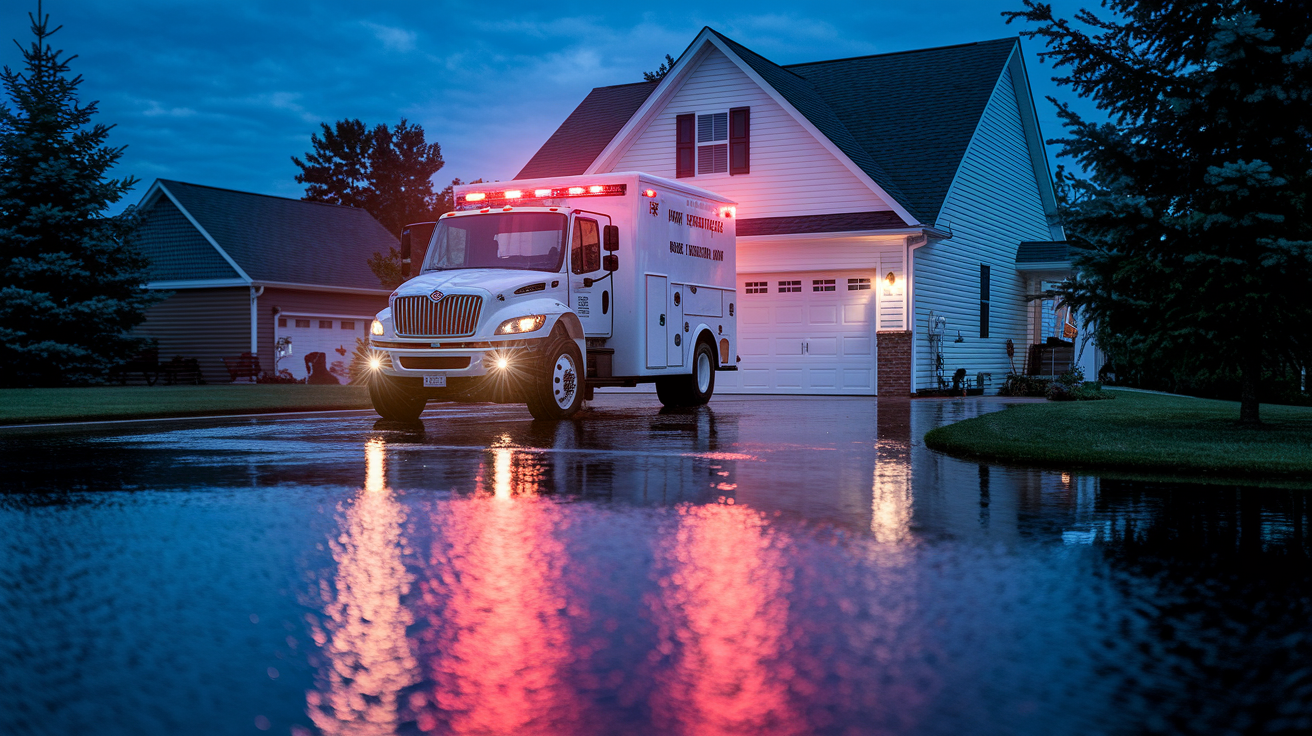
Immediate professional response within 24 to 48 hours of water damage discovery makes the difference between manageable restoration costs and extensive mold remediation expenses, justifying premium pricing for truly urgent situations.
The 24 to 48 hour window represents critical decision time where quick action prevents mold colonization and limits damage spread. Mold spores exist everywhere but require moisture and organic material (like carpet backing and padding) to begin active growth. Most mold species start colonizing within 24 to 48 hours of exposure to moisture and favorable temperatures (above 60°F). The longer wet carpet and padding remain in place, the deeper moisture penetrates into subfloors, the further it spreads through capillary action and humidity, and the greater the eventual remediation costs. A leak discovered and addressed within 12 hours might cost $1,200 for carpet removal and drying. The same leak left for 3 days easily requires $4,000 to $8,000 in mold remediation plus carpet replacement.
Emergency service premiums reflect the real costs of 24 hour availability, immediate dispatch, and after hours labor rates that restoration companies must maintain for true emergency response capabilities. After hours service (weeknights after 6 PM) typically adds 25% to 50% to standard rates, translating to an extra $200 to $600 on a $1,500 base project. Weekend service carries similar or higher premiums, particularly on Sundays and holidays. Holiday emergency response commands the highest premiums at 50% to 100% above standard rates, sometimes adding $1,000 to $2,000 to total project costs. Many companies charge minimum service fees ($200 to $400) for emergency dispatch even for small incidents, covering the cost of mobilizing crews and equipment outside normal business hours.
Emergency situations requiring immediate professional response regardless of premium costs:
- Sewage backup from toilets or sewer lines introducing black water contamination with dangerous pathogens
- Significant flooding exceeding 2 inches deep or covering more than 200 square feet of floor area
- Any water damage in homes with previous mold problems or occupants with respiratory conditions or compromised immune systems
- Structural concerns like ceiling staining, sagging drywall, or visible joist damage from water accumulation
- Contaminated water from any external source or backed up drains requiring specialized safety protocols and disposal
The cost trade off between emergency response rates and delayed action consequences almost always favors immediate professional intervention for significant water damage. An extra $500 in after hours premiums prevents $3,000 to $8,000 in mold remediation costs when professionals extract water, remove wet carpet, and start drying equipment within hours rather than days. The documented timeline from professional response also protects insurance claims, since adjusters look favorably on immediate mitigation efforts showing reasonable steps to minimize damage. Waiting until Monday to save weekend premium rates might make sense for minor leaks discovered Saturday afternoon where you can extract standing water yourself and run fans over the weekend. Major flooding, any contaminated water, or situations where mold risk is high justify emergency rates without question.
Working With Restoration Companies and Flooring Contractors

Water damage restoration specialists and carpet installation contractors serve different but complementary roles in wet carpet projects. Restoration companies handle the emergency response and drying phase while flooring contractors complete the rebuilding phase after conditions stabilize.
Restoration companies specialize in water extraction, structural drying, mold remediation, and emergency mitigation. They employ IICRC certified technicians trained in water damage protocols and equipped with industrial extraction units, commercial dehumidifiers, air movers, moisture meters, and thermal imaging cameras. They respond 24/7 to emergencies, document conditions for insurance claims, and provide daily monitoring during the drying phase. Carpet installation contractors focus on the rebuilding phase once subfloors verify dry, measuring rooms, ordering materials, removing old carpet if still in place, and installing new flooring according to manufacturer specifications. Some full service restoration companies employ their own flooring installers or maintain partnerships with local contractors, offering seamless coordination from emergency response through final installation.
Credentials separate qualified professionals from handymen or fly by night operators who appear after floods claiming restoration expertise. Verify IICRC (Institute of Inspection, Cleaning and Restoration Certification) credentials for any company claiming water damage restoration capabilities, checking certification status directly through the IICRC website rather than relying on contractor claims. Confirm general liability insurance and workers’ compensation coverage with minimums of $1 million and $500,000 respectively, requesting certificates of insurance before work begins. Check local contractor licensing requirements specific to your state or municipality, particularly for plumbing, electrical, or structural work that might be needed during restoration. Request and actually call references from recent water damage projects similar to yours, asking specific questions about communication, timeline accuracy, and final results.
Questions to ask restoration companies and flooring contractors before hiring:
- What’s your guaranteed emergency response time from initial contact to crew arrival at my home
- What specific moisture testing and monitoring protocols do you follow, and will you provide daily written readings
- How do you handle mold discovered during carpet removal, and are your technicians certified for remediation
- What warranties or guarantees cover your drying work, and what happens if moisture readings exceed acceptable levels after you complete work
- What’s your payment schedule, and do you require deposits before beginning work
- What’s your realistic timeline from initial extraction through final carpet installation, including time for drying, ordering materials, and any potential complications
Red flags in contractor bids should trigger additional questions or elimination from consideration entirely. Pricing significantly below competing bids (more than 30% lower) often indicates missing scope items, unrealistic estimates, or plans to request additions and change orders once work begins. Reluctance to provide written estimates with detailed line items suggests unprofessional practices or intentionally vague pricing. Pressure tactics demanding immediate decisions or claims that prices expire within hours indicate predatory contractors targeting disaster victims. Lack of proper credentials, insurance, or verifiable references raises obvious concerns about quality, accountability, and legal exposure if workers get injured or property damage occurs.
Documentation practices protect homeowners throughout the restoration process and support both insurance claims and future home sales when water damage disclosure might be required. Request written daily moisture readings showing specific meter measurements at multiple locations throughout affected areas. Photograph wet materials before removal, drying equipment in place, subfloor conditions after carpet removal, and final moisture readings before new flooring installation. Retain all invoices, contracts, certificates of insurance, and warranty documents in a dedicated file. If mold remediation occurs, obtain clearance testing results confirming successful treatment before closing up any areas. This documentation package proves professional handling if future buyers or inspectors question previous water damage during resale, protects you if disputes arise with contractors or insurance companies, and provides records if health issues emerge that might be linked to incomplete drying or remediation.
Prevention Measures to Avoid Future Wet Carpet Expenses
Prevention investments typically cost 20% to 40% of a single major water damage restoration event, making them financially justified even if they only prevent one flood over a home’s lifetime.
Common water intrusion sources in carpeted areas require targeted prevention strategies specific to each risk. Basement seepage through foundation walls or floor cracks accounts for the majority of wet carpet incidents in below grade spaces, driven by poor exterior drainage, missing or clogged gutters, and hydrostatic pressure during heavy rains. Appliance failures from washing machines, water heaters, and dishwashers create sudden flooding in utility areas and kitchens, with supply line bursts and drain clogs causing the most damage. Plumbing leaks from supply pipes, drain lines, or toilet seals gradually saturate carpet and padding over days or weeks before discovery. HVAC condensation from air handlers, humidifiers, or poorly drained condensate lines drips onto ceiling surfaces and eventually through to carpet below.
Prevention investments worth considering based on your home’s specific risks:
- Sump pump installation with battery backup ($400 to $1,500) to remove water from basement sumps before it rises to floor level
Final Words
Water-damaged carpet creates a time-sensitive situation that demands both quick action and careful planning.
The cost to remove and replace wet carpet ranges from $4.20 to $12.55 per square foot for a complete project, but contamination, mold, or structural damage can push expenses significantly higher.
Don’t skip the drying phase or cut corners on subfloor assessment. Those shortcuts turn into mold problems and failed flooring installations.
Get multiple quotes, document everything for insurance, and know when professionals must handle the work.
Once your space is dry and rebuilt, invest in prevention. Fixing the same flood twice costs way more than waterproofing, upgrading appliance hoses, or installing a reliable sump pump.
You’ve got this.
FAQ
How much does it cost to remove wet carpet?
Wet carpet removal costs $1.20 to $1.55 per square foot, which translates to approximately $240 to $310 for a standard 200 square foot room. This price includes labor, disposal, and hauling fees for water-damaged carpet and padding, which cost more than dry carpet removal due to increased weight and contamination handling requirements.
Is carpet ruined if it gets wet?
Carpet getting wet is not automatically ruined, but the outcome depends on water type and response time. Clean water from supply lines may be salvageable if extracted and dried within 24-48 hours, while contaminated water from sewage or toilets requires immediate carpet and padding replacement to prevent health risks and mold growth.
How much does it cost to replace wet carpet with new carpet?
Replacing wet carpet with new carpet costs $4.20 to $12.55 per square foot total, which includes removal ($1.20-$1.55), disposal, and new carpet installation ($3-$11). For a typical 200 square foot room, expect to pay approximately $840 to $2,510 for complete removal through installation of new carpet.
How much does carpet removal and replacement cost for one room?
Carpet removal and replacement for one room costs $840 to $2,510 for a standard 200 square foot space, though final costs vary based on room size and carpet quality. This price covers wet carpet removal, disposal fees, padding replacement, new carpet material, professional installation, and basic furniture moving within the room.
What factors increase wet carpet replacement costs beyond basic pricing?
Wet carpet replacement costs increase significantly with water contamination level, subfloor damage requiring repair ($2-$10 per square foot), mold remediation ($15-$30 per square foot), structural issues, and emergency after-hours service. Black water from sewage can push total costs to $10-$25 per square foot when specialized restoration protocols are required.
Does homeowners insurance cover wet carpet replacement costs?
Homeowners insurance typically covers wet carpet replacement from sudden, accidental water damage like burst pipes or appliance malfunctions, but excludes gradual damage or flood-related incidents requiring separate flood insurance. Coverage depends on policy specifics, deductible amounts, and whether the policy provides actual cash value or replacement cost coverage.
Should I remove wet carpet myself or hire professionals?
Professional wet carpet removal is necessary for contaminated water, mold presence, or significant damage, while DIY removal ($100-$150 in tools) may work for minor clean water incidents affecting small areas. Professional service ($1.20-$1.55 per square foot) provides proper moisture assessment, contamination handling, liability protection, and warranty coverage that DIY approaches cannot match.
How long does wet carpet removal and replacement take to complete?
Wet carpet removal and replacement takes 7 to 14 days from water event through completed installation, including emergency extraction (0-24 hours), carpet removal (1-2 days), critical subfloor drying (3-7 days), and new carpet installation (1 day). Mold remediation, structural repairs, or material delivery delays extend this timeline significantly.
What flooring options should I consider after removing wet carpet?
After wet carpet removal, water-resistant alternatives include vinyl plank ($2-$12 per square foot), tile ($10-$50), or treated laminate ($4.70-$15.60 total with installation). These options provide better moisture resistance than carpet in previously flooded areas, though new carpet remains the most affordable replacement at $3-$11 per square foot installed.
How can I reduce costs on wet carpet replacement projects?
Reduce wet carpet replacement costs by moving furniture yourself (saves $25-$75 per room), bundling removal and installation with one contractor, obtaining three competitive quotes, scheduling during off-peak months, and handling baseboard removal yourself. Never skip critical antimicrobial treatment, proper drying time, or qualified contractors to save money.
When does wet carpet damage require emergency professional response?
Wet carpet damage requires immediate professional response within 24-48 hours for sewage backup, significant flooding, black water contamination, visible mold growth, or structural concerns. Emergency service carries premium pricing for after-hours and weekend response, but prevents exponentially higher costs from mold development and structural damage that develop quickly.
How do I choose between restoration companies and carpet contractors for wet carpet?
Water damage restoration companies handle contaminated water, moisture assessment, extraction, and antimicrobial treatment, while carpet contractors focus on removal and installation of new flooring. For clean water damage affecting only carpet, standard flooring contractors suffice, but contaminated water, mold risk, or structural concerns require IICRC-certified restoration specialists first.
What prevention measures stop future wet carpet damage expenses?
Prevention measures include installing sump pumps, basement waterproofing ($6,000-$18,000), leak detection systems, replacing old appliance hoses, maintaining proper grading and gutters, and installing floor drains in vulnerable areas. These investments cost significantly less than repeated water damage restoration and reduce insurance premiums while protecting home value.