

Most people wait too long to pull flooded carpet, and that delay costs them their subfloor. You’ve got 24 to 48 hours before mold takes hold, and wet carpet removal isn’t something you can put off until the weekend. The good news is that cutting out soaked carpet is straightforward work if you follow the right sequence, shut off power first, and know when to call a pro instead of pushing through contaminated water on your own.
Emergency Action Steps and Carpet Removal Overview
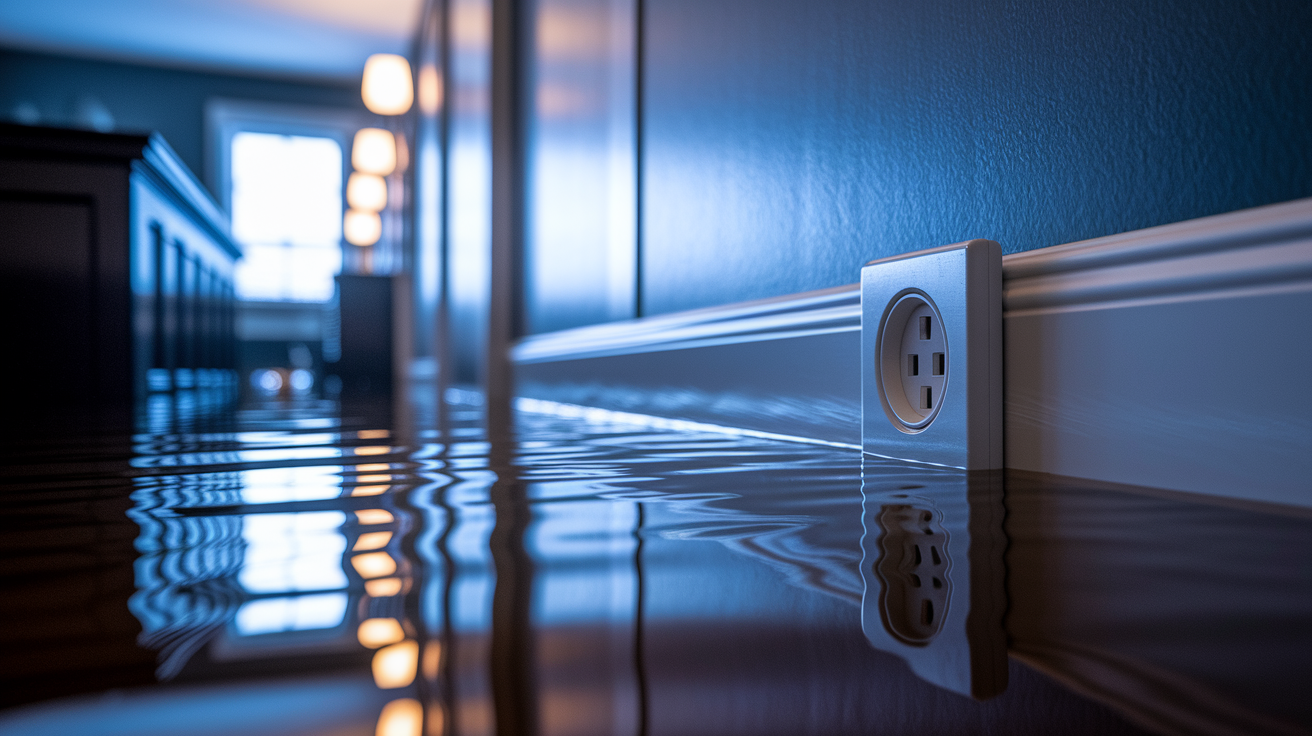
Turn off the electricity at your main circuit breaker before you step into a flooded room. Standing water near outlets or appliances can cause electrocution, and this risk doesn’t disappear just because water looks shallow. Once power’s off, locate and stop the water source if you can do so safely. If a supply line burst, shut off the water main. If water’s still entering the space, address that first. You’re working against a tight clock. Mold and mildew can begin growing in flooded carpet within 24 to 48 hours of water exposure.
Put on waterproof rubber boots, rubber gloves, an N95 or respirator mask, eye protection, and long sleeves with pants before handling wet carpet. Flooded materials harbor bacteria, allergens, and sometimes worse.
Next, assess the water source to decide if this is a DIY job or not. Category 1 water from clean supply lines like a burst pipe or overflowing sink is safe to handle yourself if you act quickly. Category 2 gray water from dishwashers, washing machines, or sump pump failures contains some contaminants and requires caution. Category 3 black water from sewage backups, toilet overflows, or outdoor flooding is a biohazard and requires immediate professional intervention. Don’t attempt DIY removal if the water came from a sewer or septic source.
If you’re cleared for DIY removal, follow this sequence:
- Complete safety assessment and put on all protective equipment.
- Extract standing water using a wet dry vacuum or submersible pump.
- Remove all furniture and belongings from the affected area.
- Cut waterlogged carpet into manageable 4 foot wide sections.
- Roll and remove carpet sections for disposal.
- Remove and dispose of carpet padding completely.
- Inspect and dry subflooring thoroughly, which typically takes 3 to 7 days.
- Sanitize all exposed surfaces with antimicrobial treatment.
Professional help is essential if you’re dealing with sewage contamination, flooding that exceeded 2 inches deep, water affecting structural components like joists or wall cavities, visible mold growth, or if you can’t stop the water source. If the carpet’s been wet for more than 48 hours before you started removal, professional assessment is smart because mold may already be growing underneath.
Required Tools and Initial Water Extraction

Having the right tools ready before you start makes the job safer, faster, and less likely to result in injury or incomplete drying. Water extraction must happen immediately after you stop the source and verify electrical safety. Every hour that bulk water sits increases the chance of subfloor damage and mold growth.
| Tool/Material | Purpose | Purchase or Rent |
|---|---|---|
| Wet dry vacuum | Water extraction | Purchase or rent |
| Utility knife with sharp blades | Cutting carpet | Purchase |
| Pry bar or flat crowbar | Removing tack strips | Purchase |
| Heavy duty trash bags | Disposal | Purchase |
| Work gloves | Hand protection | Purchase |
| Knee pads | Comfort during work | Purchase |
| Pliers | Staple removal | Purchase |
| Respirator mask | Air quality protection | Purchase |
| Dehumidifier | Drying process | Rent or purchase |
| Submersible pump | Deep standing water | Rent |
Most tools you can purchase at a hardware store. Renting a commercial wet dry vacuum and dehumidifier is common and cost effective if you don’t already own them. Total DIY tool costs typically range from $150 to $400 depending on what you rent versus buy.
Start extraction with a wet dry vacuum by making slow, overlapping passes across the carpet. Move slowly to give the vacuum time to pull water from the fibers. Empty the tank when it reaches three quarters full. Work from the farthest point in the room toward your exit so you’re not walking back over areas you’ve already extracted. Make multiple passes over the same section because carpet holds more water than you think, and each pass removes more.
For heavy standing water deeper than 2 inches, rent a submersible pump to remove bulk water before switching to the wet dry vacuum. If you only have minimal water in isolated spots, thick towels can absorb and remove small amounts through repeated blotting.
Understand that the carpet will still feel damp after extraction. The goal here is removing bulk water to reduce weight and speed up the drying you’ll do after removal. Typical extraction removes 60 to 70 percent of water content. That’s enough to make handling safer and faster, but the carpet isn’t salvageable at this point. You’re extracting to make removal easier, not to save the carpet.
Cutting and Sectioning Flooded Carpet for Removal

Cutting carpet into smaller sections is necessary because wet carpet becomes extremely heavy. A 12×12 room with saturated carpet and padding can weigh over 200 pounds. Trying to move it in one piece risks back injury, tears the carpet mid lift, and makes disposal nearly impossible.
Plan your cut lines before you start. Four foot wide strips work best for one or two people to handle. Cut parallel to the longest wall when possible. Avoid cutting over seams if you can see them, as seams make it harder to get a clean cut and can cause the knife to skip.
Here’s the cutting process:
- Pull the carpet edge away from the tack strip at one corner of the room.
- Fold back 2 to 3 feet of carpet to expose the backing.
- Use a sharp utility knife to cut a straight line through the backing, not the face fibers.
- Cut from the room perimeter toward the center in straight lines.
- Create 4 foot wide strips for manageable handling.
- Roll each cut section immediately to compress its size and make it easier to carry.
Keep your utility knife blade sharp. A dull blade requires more pressure and is more likely to slip. Always cut away from your body and keep your free hand clear of the cutting path. If you’re working alone, stabilize the carpet with your foot rather than your hand.
Corners and doorways require relief cuts. Cut at an angle to release tension where the carpet turns. Remove metal transition strips at doorways first using a pry bar. If the carpet was glued down at edges, you may need to use the pry bar or a scraper to break the adhesive bond before you can fold it back to cut.
Removing Carpet Padding After Flood Damage

Carpet padding is rarely salvageable after flooding. It absorbs water like a giant sponge, and it’s nearly impossible to dry thoroughly. Even if the surface feels dry, moisture trapped inside provides a perfect environment for bacteria and mold spores. Replacement padding costs are minimal compared to the health risks of leaving contaminated padding in place.
Padding composition varies. It may be foam, rubber, or fiber. Most padding is stapled or glued to the subfloor, and it may also be tacked at the perimeter where it meets the wall. Check how yours is attached before you start pulling.
Remove padding using these steps:
- Locate and remove all staples using pliers or a pry bar, starting at one corner.
- Pull up padding sections starting from the corner where you removed the staples.
- Roll the padding as you remove it to make handling easier and reduce the footprint.
- Inspect for glued down sections and use a floor scraper if you encounter adhesive.
- Dispose of removed padding immediately in heavy duty trash bags.
Once padding is out, inspect the tack strips around the room perimeter. If strips show rust or water damage, pull them up with a pry bar and replace them before installing new carpet. If tack strips are dry, undamaged, and still firmly attached, you can leave them in place. The nails or tacks shouldn’t be loose or pulling away from the floor.
Dispose of removed padding immediately. For clean water flooding, you can bag padding in heavy duty trash bags for regular curbside collection if your municipality allows it. For gray or black water contamination, double bag the padding and check local regulations about contaminated debris. Large amounts of padding may require a rental dumpster. Professional removal services typically charge $0.50 to $1.00 per square foot for padding removal and disposal when included in their overall service.
Subflooring Inspection and Drying Requirements

Subfloor condition determines whether you can proceed with new carpet or need more extensive repairs. Moisture trapped in the subfloor causes wood rot, mold growth between layers, structural weakening, persistent odors, and future flooring failure. You must verify the subfloor is completely dry before installing anything new.
Inspect for these warning signs:
- Visible water staining or discoloration on the subfloor surface
- Soft or spongy areas when you press down with your hand
- Warping or cupping in wood subfloors
- Delamination in plywood layers where the wood is separating into sheets
- Musty odors indicating trapped moisture
- Visible mold growth on the subfloor surface
- Rust or corrosion on subfloor fasteners like nails or screws
A moisture meter gives you objective readings instead of guessing. Wood subfloors with readings above 16 percent require extended drying. Concrete should read below 4 percent. You can rent a moisture meter from tool rental centers for around $30 per day, or purchase a basic pin type meter for $30 to $150. Take readings in multiple spots, especially near walls and in corners where drying happens slowest.
Dry the subfloor by opening floor registers if you have forced air heating or cooling, which pushes air across the surface. Position fans to blow directly across the subfloor. Run dehumidifiers continuously in the space. Remove baseboards to allow air circulation behind the walls, which helps dry the bottom plate and any wicking that occurred in the drywall. Typical drying time ranges from 3 to 7 days depending on how saturated the subfloor became, the ventilation in your home, and outdoor humidity levels.
Subfloor replacement is necessary instead of drying if you see severe warping, structural soft spots, mold penetration into the wood, or if the subfloor was saturated for more than one week before you started the drying process. At that point, the wood has likely begun to rot or degrade, and drying won’t restore its structural integrity.
Proper Drying Methods for Flooded Room Spaces

Create optimal drying conditions by keeping the space temperature above 70°F and humidity below 50 percent. Continuous air movement is essential. Stagnant air slows evaporation and allows humidity to build up.
Place your dehumidifier in the center of the room if possible, so it can draw air from all directions. Position fans at 45 degree angles toward walls to create airflow that circulates around the entire space. If you have multiple rooms affected, create a cross ventilation pattern by opening interior doors and positioning fans to push air from one space into the next. Keep closet doors and cabinet doors open so air reaches those spaces too.
Follow these drying best practices:
- Run dehumidifiers 24 hours per day until moisture readings confirm dryness
- Empty dehumidifier tanks every 8 to 12 hours or connect a drain hose if your model allows it
- Use multiple fans for rooms over 200 square feet to ensure adequate air movement
- Check windows for condensation, which indicates outdoor humidity is higher than indoor humidity, meaning you should keep windows closed
- Rotate fan positions every 12 hours to prevent dead zones where air isn’t circulating
Monitor progress with daily moisture checks using your moisture meter. Expected drying timeline for most rooms is 3 to 7 days for complete dryness. Signs the room is ready for new flooring include stable moisture meter readings below the thresholds mentioned earlier, no visible dampness, no musty odor, and no cool spots on the floor when you touch it with your bare hand.
Don’t close up the space or install new flooring prematurely. Sealing in moisture by painting, installing new baseboards, or laying new carpet before the subfloor is completely dry traps moisture and creates worse problems. Don’t ignore persistent musty odors because they indicate hidden moisture somewhere in the structure. If the smell remains after a week of drying, you may have moisture in wall cavities or under the subfloor that requires professional assessment.
Mold Prevention and Sanitization After Carpet Removal

Mold risk increases dramatically after the 24 to 48 hour window following water exposure. Mold spores are always present in the air. They only need moisture plus organic material like wood or drywall to start growing. Your job now is to eliminate the conditions mold needs. Understanding the timeline and health risks is critical: Understanding Mold Risk After Water Damage
Sanitization approach depends on what type of water flooded the space. Clean water from a supply line requires standard disinfectant cleaning. Gray water from appliances requires antimicrobial treatment. Black water from sewage requires professional remediation and isn’t a DIY project.
For DIY sanitization after clean or gray water flooding, follow these steps:
- Mix a disinfectant solution using 1 cup of bleach per gallon of water for non porous surfaces like concrete or sealed wood.
- Scrub all exposed subfloor surfaces with a stiff brush and the disinfectant solution.
- Apply antimicrobial spray to wood surfaces following the product directions on the label.
- Allow surfaces to air dry completely before sealing or installing new materials.
- Spray baseboards and lower wall sections where carpet contacted them, up to 6 inches above the former carpet line.
Some materials can’t be saved. Drywall that wicked moisture more than 12 inches above the floor should be cut out and replaced. Insulation that contacted floodwater should be removed. Wooden components showing visible mold must be treated with antimicrobial solutions or replaced if mold has penetrated the surface.
Eliminate odors by sprinkling baking soda on the subfloor, letting it sit for several hours, then vacuuming. For organic odors from gray water, use enzyme based cleaners designed for pet odors, which break down organic compounds. Ozone treatment is a last resort and requires vacating the space during treatment. Persistent odors after cleaning and drying indicate hidden moisture or incomplete cleaning, and you should investigate further before proceeding with new flooring.
Professional Flood Restoration: When DIY Isn’t Enough

Some flood situations exceed DIY capability due to safety risks, equipment requirements, scope of damage, or insurance considerations. Knowing when to stop and call professionals prevents health risks and often saves money in the long run by avoiding mistakes.
Contact professional restoration services immediately if you encounter any of these scenarios:
- Flooding exceeded 2 inches deep throughout the room
- Sewage backup or toilet overflow, which is Category 3 black water
- Water damage affecting multiple rooms or floors
- Visible mold growth exceeding 10 square feet in area
- Structural concerns like sagging floors, ceiling damage, or wall bulging
- Carpet remained wet for more than 48 hours before removal began
- Inability to achieve complete dryness after one week of DIY drying
- Health conditions making exposure risky, including respiratory issues or immune compromise
- Insurance claim that requires professional documentation and certification
Professional services bring industrial water extraction equipment, thermal imaging cameras that detect hidden moisture behind walls, commercial grade antimicrobial treatments, and structural drying protocols. They document the entire process for insurance purposes. Typical professional timeline for extraction and initial drying is 1 to 3 days, which is faster than most DIY attempts because of equipment power and experience.
Cost expectations for professional services range from $3 to $7 per square foot for water extraction and drying. Full restoration including carpet replacement typically costs $8 to $15 per square foot. Many insurance policies cover professional restoration costs, especially when flood damage results from a covered event like a burst pipe.
Choose qualified contractors by verifying IICRC certification, which is the industry standard for water damage restoration training. Look for companies offering 24/7 emergency response. Check references and online reviews. Get written estimates from at least two companies. Ask if they offer direct insurance billing, which simplifies the claims process by having the restoration company work directly with your insurance adjuster.
Insurance Claims and Documentation for Flood Carpet Damage

Review your insurance policy as soon as water damage occurs. Check whether you have flood coverage versus standard water damage coverage, since they’re different. Understand your deductible amount, time limits for filing claims, and notification requirements. Most policies require prompt notification, often within 48 to 72 hours of discovering damage.
Document everything before you remove materials. Take photographs showing water level marks on walls, which establish flood depth. Video the entire affected area before you start removal. Save all damaged materials until an insurance adjuster visits and releases them, unless they pose an immediate health hazard. Keep receipts for all emergency services, equipment rentals, and supplies you purchase. Document the timeline of events including when you discovered the flood, when you stopped the water source, and when you began cleanup.
Collect these specific documentation items:
- Date and time you discovered the flooding
- Photos of standing water and the full extent of saturation
- Photos of carpet and padding condition before removal
- Receipts for water extraction equipment rentals
- Contractor estimates if you obtained them for comparison purposes
- Photos of subfloor condition after removal showing moisture damage
Schedule an adjuster inspection as promptly as possible. Provide a complete documentation packet when the adjuster arrives. Understand the difference between replacement cost coverage, which pays to replace damaged items with new ones, and actual cash value, which deducts depreciation. If the initial settlement offer seems low, you can negotiate by providing additional estimates or documentation showing higher replacement costs.
Common coverage scenarios vary significantly. A sudden pipe burst is usually covered under standard homeowners insurance. Gradual seepage from a slow leak over time is often excluded. Sewer backup requires a specific rider or endorsement that many policies don’t include automatically. Flooding from external sources like rivers, storm surge, or heavy rain requires separate flood insurance through the National Flood Insurance Program. Coverage may be limited if the insurance company determines the damage resulted from lack of maintenance or failure to prevent a known issue.
Disposal Methods for Removed Wet Carpet and Padding
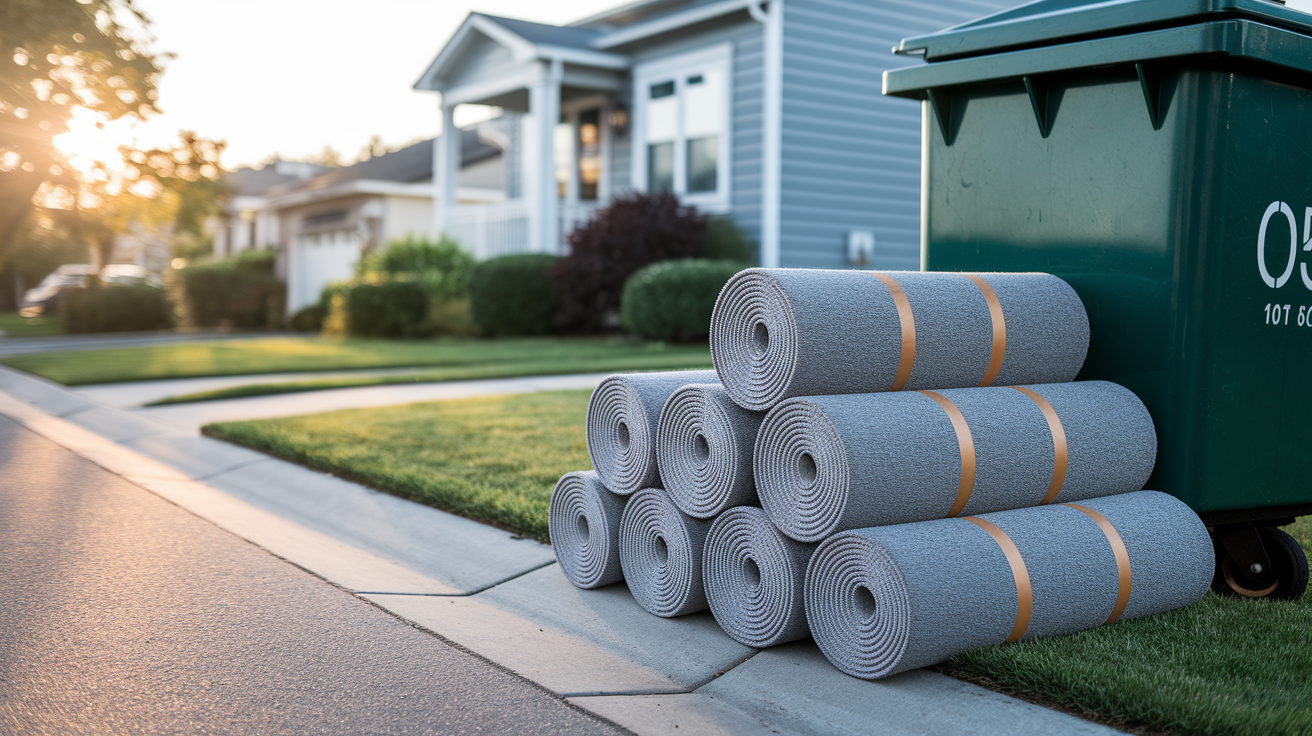
Plan disposal before you start removal by checking local regulations for flood debris. Many municipalities have special bulk pickup procedures after flooding events. Understand weight limitations for curbside collection, which often cap individual items at 50 pounds. Schedule pickup or arrange dumpster rental before you begin removal so materials don’t sit on your property longer than necessary.
Disposal requirements depend on water contamination level. Carpet damaged by clean water from supply lines can go in regular trash if properly bagged and within weight limits. Gray water materials should be double bagged to contain moisture and potential bacteria. Black water contaminated materials from sewage may require special handling through hazardous waste facilities or professional disposal services. Check with your local solid waste authority about proper disposal for sewage contaminated materials.
Follow these practical disposal tips:
- Roll carpet tightly and secure with duct tape before moving it to the curb
- Cut rolled sections to 4 foot lengths for easier handling and to meet weight limits
- Use an appliance dolly or get help when moving rolled sections exceeding 50 pounds
- Place materials curbside on your scheduled bulk pickup day, not days early
- Consider renting a 20 yard dumpster for whole house flooding, which typically costs $300 to $600
You can’t donate flood damaged carpet. Even if you dry it, the carpet may harbor bacteria, mold spores, or other contaminants that create health risks for others. Textile recycling programs rarely accept water damaged materials. Disposal is the only safe and responsible option for flooded carpet and padding.
Preparing Subfloor for New Carpet Installation
Proper preparation prevents new carpet failure and ensures warranty compliance. You’re creating a clean, dry, level installation surface while eliminating any chance of odor transfer from the old flood damage.
Start with final moisture verification using your moisture meter. Confirm readings are below 12 percent for wood subfloors and below 4 percent for concrete. If readings are borderline, wait additional days and retest. Document moisture levels with photos of the meter display for your records and potential warranty claims. Detailed preparation guidance is available at Preparing Your Home for New Flooring Installation
Prepare the subfloor through these steps:
- Remove all remaining staples and fasteners from old padding using pliers or a floor scraper.
- Sweep and vacuum the subfloor thoroughly, removing all debris and dust.
- Inspect and replace damaged tack strips around the room perimeter.
- Fill any gouges or holes in the subfloor with appropriate wood filler or concrete patch.
- Sand rough spots or high edges smooth with medium grit sandpaper.
- Clean the subfloor with a tack cloth or damp mop to remove fine dust before installation.
- Apply subfloor primer or sealer if recommended for your subfloor type, especially after water damage.
Assess tack strips carefully. Replace any strips showing rust, which indicates prolonged moisture contact. Verify strips are securely attached by pressing down on them, and re nail any loose sections. Position tack strips correctly at 3/8 inch from the wall, which allows the carpet edge to tuck into the gap.
Schedule carpet installation only after you verify complete dryness. Allow a minimum of 7 to 10 days after flooding before installation, even if moisture readings look good earlier. Rushing installation risks trapping residual moisture. Consider professional installation for proper warranty coverage, especially after flood damage. Budget $3 to $6 per square foot for mid grade carpet plus professional installation. Professional installers also verify subfloor conditions and may identify issues you missed.
Preventing Future Carpet Flood Damage
Learn from this flood experience by identifying what caused it and addressing vulnerabilities. If a burst supply line flooded the room, aging plumbing throughout the house may be at similar risk. If a sump pump failed, lack of battery backup or maintenance may have contributed. Implement monitoring systems to catch problems before they become floods.
Structural prevention measures reduce water intrusion risk. Improve grading around your foundation so ground slopes away from the house at a minimum 6 inch drop over 10 feet. Install or maintain gutters and downspouts that catch roof water and direct it away from the foundation. Extend downspouts 6 to 10 feet from the foundation using buried drain lines or above ground extensions. Seal foundation cracks with hydraulic cement or epoxy injection. Install window well covers on basement windows to prevent rain from pooling against the glass.
Consider these prevention upgrades based on your specific risks:
- Sump pump installation with battery backup system, $800 to $1,500 installed
- Water leak detection sensors on appliances and pipes, $25 to $60 each
- Washing machine drain pan with dedicated drain line, $40 to $80
- Whole house automatic water shutoff valve that closes when leaks are detected, $400 to $800 installed
- Appliance supply line upgrades from rubber hoses to braided stainless steel
- Annual water heater inspection and replacement before failure occurs, not after
- Backwater valve installation preventing sewer backup into basement drains, $1,500 to $3,000
- French drain system for chronic groundwater intrusion issues, $3,000 to $8,000
Reconsider flooring choices for flood prone areas. Basements and ground level rooms subject to repeated moisture issues are better suited to waterproof luxury vinyl plank instead of carpet. Vinyl plank looks like wood, installs over most subfloors, and can withstand water exposure without permanent damage. If you prefer the comfort of carpet, use area rugs that can be quickly removed and dried if water enters the space. Select tile or sealed concrete for high risk zones near water heaters, sump pumps, or exterior doors. Maintain flood insurance even after making improvements, since some flood causes like heavy rain and sewer backups remain outside your complete control.
Final Words
Knowing how to remove wet carpet after flood damage comes down to moving fast, staying safe, and following the right sequence.
Shut off power first. Extract as much water as you can. Cut the carpet into manageable sections, pull the padding completely, and give that subfloor the time it needs to dry fully.
If you’re dealing with sewage backup or the water sat for more than two days, call a pro. Some situations aren’t worth the risk.
But for clean water and quick action, you can handle this. Take it one step at a time, document everything for insurance, and don’t skip the moisture checks before you close anything back up.
Your next floor will be solid if you get this part right.
FAQ
How do you get water out of carpet after a flood?
To get water out of carpet after a flood, start by using a wet-dry vacuum to extract standing water in slow, overlapping passes. Make multiple passes over the same area, emptying the vacuum tank when it reaches three-quarters full. Work from the furthest point in the room toward your exit. For deeper standing water exceeding two inches, rent a submersible pump before using the wet-dry vacuum. Extraction typically removes 60-70% of water content, leaving carpet damp but significantly lighter. After extraction, pull up the carpet from tack strips and remove the padding completely since it absorbs water like a sponge and cannot be adequately dried. Position fans and dehumidifiers to dry the exposed subfloor and remaining carpet if you’re attempting salvage, though replacement is often the safer choice.
How long can carpet be wet before it is ruined?
Carpet can be wet for 24 to 48 hours before mold and mildew begin growing, which typically ruins the carpet beyond salvage. Once mold spores establish in carpet fibers and backing, sanitization becomes nearly impossible and health risks increase significantly. Carpet wet from contaminated water sources like sewage or toilet overflow is ruined immediately and must be removed as a biohazard regardless of time. Even with clean water flooding, carpet saturated for more than 48 hours before drying begins usually requires replacement rather than restoration. The padding underneath almost always needs replacement after any significant flooding since it holds moisture and cannot dry thoroughly enough to prevent bacterial growth and odors.
How long does it take carpet to dry after flooding?
Carpet takes 3 to 5 days to dry completely after flooding, depending on material thickness, saturation level, and environmental conditions during drying. This timeline assumes you’re running dehumidifiers continuously, maintaining room temperature above 70°F, using multiple fans for air circulation, and humidity stays below 50%. Thicker carpet with dense padding takes longer than thin commercial-grade carpet. However, drying flooded carpet is rarely recommended since mold growth begins within 24-48 hours and proper drying is difficult to achieve throughout the padding and backing layers. Professional extraction and drying might save carpet if started immediately after clean water flooding, but replacement is the safer choice for most residential flood situations.
What pulls moisture out of carpet?
A wet-dry vacuum pulls moisture out of carpet most effectively by creating suction that extracts water from carpet fibers and backing. High-capacity dehumidifiers pull moisture from the air surrounding wet carpet, which helps dry surface fibers but doesn’t extract water already saturated into padding and backing. Fans create air circulation that accelerates evaporation from carpet surfaces but don’t remove water directly. For flooded carpet, wet-dry vacuums are essential first tools, followed by dehumidifiers and fans working together after carpet and padding removal. Towels can blot and absorb small amounts of water from isolated wet spots but aren’t practical for flood situations covering entire rooms.
Should you remove carpet padding after a flood?
You should remove carpet padding after a flood because it acts like a giant sponge that absorbs water and cannot be dried thoroughly enough to prevent mold growth and bacterial contamination. Padding holds moisture against the subfloor even after surface carpet appears dry, creating ideal conditions for mold development within 24-48 hours. The cost of replacing padding is minimal compared to health risks from attempting to salvage saturated padding. Even professional restoration companies remove and dispose of padding in nearly all flood situations. Leaving wet padding in place will cause odor problems, damage to subflooring, and eventual carpet failure even if the carpet itself could have been saved.
When should you call professionals for flood carpet removal?
You should call professionals for flood carpet removal when dealing with sewage backup or toilet overflow (Category 3 contaminated water), flooding exceeding two inches deep, water affecting multiple rooms, visible mold growth exceeding 10 square feet, or structural concerns like sagging floors. Professional help is also necessary when carpet has been wet for more than 48 hours before removal began, when you cannot achieve complete subfloor dryness after one week, or when health conditions like respiratory issues make exposure risky. Professionals have industrial extraction equipment, thermal imaging for hidden moisture detection, and provide documentation required for insurance claims. Most professional services complete extraction and drying in 1-3 days.
How do you know if subfloor is dry enough after carpet removal?
You know subfloor is dry enough after carpet removal when a moisture meter reads below 12% for wood subfloors or below 4% for concrete slabs. Visual inspection should show no water staining, soft or spongy areas when pressed, warping, or musty odors indicating trapped moisture. Typical subfloor drying takes 3-7 days depending on saturation level, with continuous dehumidifier operation and fan circulation across the surface. Remove baseboards to allow air circulation behind walls and open floor registers for additional airflow. Check readings daily in multiple locations since some areas dry slower than others. Installing new flooring over damp subfloor causes rot, mold between layers, and flooring failure.
Can you save carpet after clean water flooding?
You can potentially save carpet after clean water flooding only if extraction begins within 24 hours, the water source was clean supply line water (Category 1), and you can achieve complete drying within 48 hours total. However, the padding underneath must be removed and replaced regardless. Professional extraction equipment provides the best chance of salvage for expensive or new carpet. Most residential situations make replacement more practical than attempted salvage since complete drying is difficult to verify and mold risk remains high. Carpet wet from gray water (appliances, washing machines) or black water (sewage, toilets) cannot be saved and must be removed immediately as health hazard.
What tools do you need to remove wet carpet after flooding?
To remove wet carpet after flooding, you need a wet-dry vacuum for water extraction, sharp utility knife for cutting carpet into sections, pry bar for removing tack strips, heavy-duty trash bags for disposal, and work gloves for hand protection. A respirator mask protects against mold spores and odors during removal. Pliers help remove staples from padding, and knee pads provide comfort during floor-level work. Rent or purchase a dehumidifier for drying the subfloor after removal. For deep standing water, rent a submersible pump before using the wet-dry vacuum. Total tool costs range from $150-$400 depending on what you already own versus rent.
How much does professional flood carpet removal cost?
Professional flood carpet removal costs $3-$7 per square foot for extraction and drying services, or $8-$15 per square foot for complete restoration including carpet replacement. A typical 12×12 room (144 square feet) ranges from $430-$1,000 for professional extraction and drying only. Costs increase for contaminated water situations requiring antimicrobial treatment, extensive structural drying, or mold remediation. Many homeowners insurance policies cover professional water damage restoration minus your deductible, making professional service more affordable than expected. Professionals provide required documentation for insurance claims and typically complete work in 1-3 days versus week-long DIY projects.