
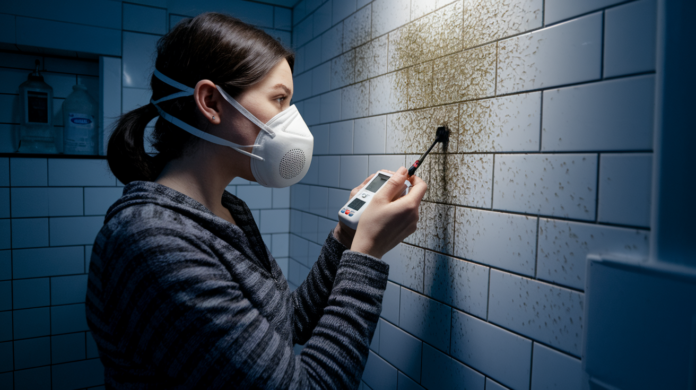
You can’t tell if mold is “dead” just by looking at it, and here’s the truth most homeowners miss: true dead mold almost never exists in your home. What you’re actually dealing with is either active mold that’s growing right now or dormant mold that’s waiting for the next bit of moisture to wake up and spread again. That powdery gray stuff on your basement wall isn’t gone, it’s just paused. This guide walks you through the real signs of active versus dormant mold, safer ways to check without releasing spores into your air, and when you need to stop guessing and call a pro.
Key Indicators: Visual, Tactile, and Environmental Signs

True “dead” mold is extremely rare. Most mold exists in either active or dormant states, with dormant mold behaving like a sleeping organism that can reactivate within 24 to 48 hours when moisture returns. Think of dormant mold like seeds waiting for rain. The spores stay viable for years, and the moment conditions shift back in their favor, they wake up and start spreading again. This means the mold you think is “dead” on that basement wall is probably just waiting.
Moisture assessment is the most reliable indicator. Active mold requires ongoing moisture (relative humidity above 70%, visible dampness, recent leaks, condensation on windows or pipes), while dormant mold appears in dry conditions but remains viable. If you’re seeing mold and the area feels dry to the touch, that doesn’t mean the problem is solved. It means the mold has paused, not stopped.
Here are 8 practical indicators to assess mold status:
Active mold texture: Fuzzy, slimy, or velvety surface that resists brushing and feels damp or sticky to a gloved hand
Active mold appearance: Web-like filaments visible under close inspection, vibrant colors like dark green, black, or orange
Active mold odor: Strong musty or earthy smell from microbial volatile organic compounds (mVOCs) released during growth
Active mold environment: Surrounding surfaces feel damp, humidity meter reads above 70%, visible moisture or water stains nearby
Dormant mold texture: Powdery, dry, or flaky surface that disturbs easily with light contact
Dormant mold appearance: Lighter, faded colors (gray, tan, dull black), flat rather than raised or fuzzy
Dormant mold odor: Weaker smell or no smell until disturbed, then brief musty scent as spores go airborne
Dormant mold environment: Dry surrounding surfaces, humidity readings below 60%, no visible moisture or recent water damage
Visual inspection alone can’t definitively determine mold status, and the “brush test” is unsafe because it releases spores into the air. Disturbing dry mold to see if it flakes off might seem like a quick check, but you’re just spreading allergens through your home and breathing them in. Don’t do this.
Simple DIY moisture checks can tell you more than trying to identify the mold itself. Touch test the surface and surrounding areas with a gloved hand. If it feels cool or damp, moisture is present and mold is likely active. A basic humidity meter ($15 to $30 at hardware stores) showing readings above 60% to 70% means conditions favor active growth. Check for condensation on windows during temperature changes, especially in winter when warm indoor air meets cold glass. Look for water stains, discoloration, or soft spots in drywall and wood, all signs that moisture is feeding mold growth.
Sensory Clues: Odor and Color Changes in Active Mold

Strong musty odors indicate active mold releasing MVOCs (microbial volatile organic compounds). These chemicals are byproducts of mold metabolism. Active mold eats organic material and releases gases as it grows. The smell is earthy, musty, sometimes described as wet socks or rotting wood. If you walk into a room and immediately notice that smell, active mold is likely present and releasing mycotoxins that can harm your health.
Dormant mold produces weaker or no odor due to reduced metabolic activity. When mold dries out and goes dormant, it stops eating and stops releasing mVOCs. The smell fades or disappears entirely. This can fool homeowners into thinking the problem is gone, but the spores are still there, still allergenic, and still capable of reactivation.
Color changes suggest active growth. Look for vibrant greens, blacks with a glossy or wet appearance, and expanding colonies with darker centers and lighter edges. Active mold often has layers. Fuzzy outer growth and darker, denser material underneath. The colony spreads outward in irregular patterns, with new growth at the edges appearing fresher and more textured than older, established areas.
Disturbing dormant mold can temporarily release odors but this doesn’t confirm active growth. If you touch or brush dry mold and suddenly smell that musty scent, it’s because you’ve sent lightweight spores into the air, not because the mold is actively growing. The odor is a warning sign that you’ve just contaminated your breathing space.
Common Locations Where Active Mold Develops After Water Damage
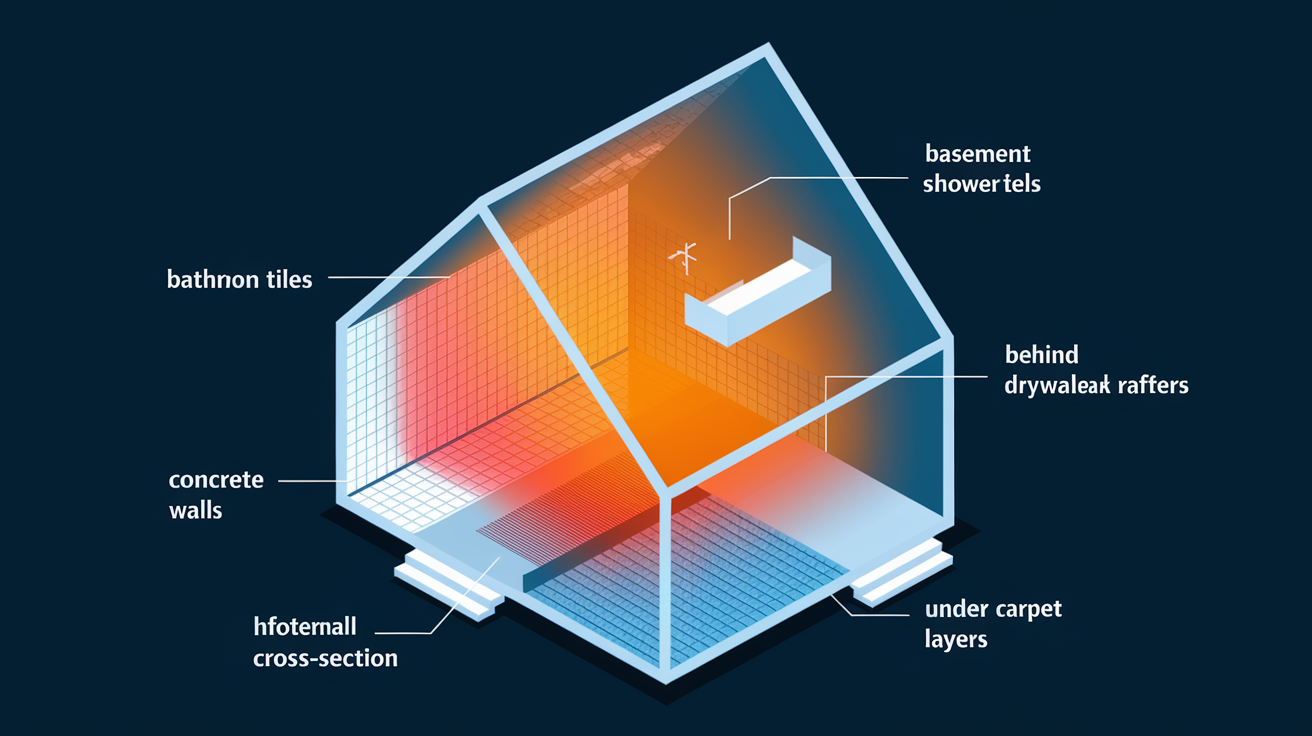
Active mold typically appears in moisture-prone areas within 24 to 48 hours after water exposure. Once water intrusion happens, whether from a leak, flood, or plumbing failure, the clock starts. Mold spores are already present in your home, waiting. When they land on a wet surface with organic material to feed on and temperatures between 70 and 90 degrees Fahrenheit, they germinate and start forming colonies. This is why water damage restoration steps emphasize speed. You have a narrow window to dry everything out before mold takes hold.
Certain materials and locations create ideal conditions for active growth because they combine moisture retention, organic food sources, and poor ventilation. Porous materials like drywall, wood, insulation, and carpet trap water and dry slowly, giving mold time to establish. Hidden spaces like wall cavities, under flooring, and behind appliances stay damp longer because air doesn’t circulate. Bathrooms and basements naturally have higher humidity, so even minor leaks or condensation can trigger growth.
| Location | Why Mold Grows Here | Signs of Active Growth |
|---|---|---|
| Bathrooms | High humidity from showers, poor ventilation, moisture on grout and caulk | Dark spots on grout lines, fuzzy growth on caulk, peeling paint, musty smell after showers |
| Basements | Ground moisture, condensation on cold surfaces, flooding risk, limited airflow | Visible colonies on concrete walls, damp insulation, staining on floor joists, earthy odor |
| Attics | Roof leaks, condensation from temperature swings, inadequate ventilation | Dark streaks on roof decking, fuzzy growth on rafters, water stains on insulation |
| Behind Drywall | Hidden leaks from plumbing or exterior water intrusion, trapped moisture | Discoloration on wall surface, bulging or soft drywall, musty smell from wall, peeling paint or wallpaper |
| Under Carpets | Water damage from leaks or flooding, carpet and pad trap moisture against subfloor | Spongy feel when walking, discoloration on carpet backing, strong odor when lifted, staining on subfloor |
DIY Testing Methods and Their Limitations

Homeowners want quick answers, but DIY visual inspection can’t definitively determine mold viability. You can observe signs that suggest active versus dormant mold, but you can’t confirm whether spores are metabolically active or just waiting for the right conditions. The only way to know for certain is laboratory analysis. Still, safer observation methods can help you assess the situation and decide whether professional testing is necessary.
The difference between viable testing and non-viable testing matters if you’re hiring a professional. Viable testing uses sterile swabs to collect samples that microbiology laboratories grow in petri dishes over several days. This tells you if the mold is alive, actively reproducing, and what species it is. Non-viable testing counts all spores (living, dormant, and dead) through air samples, swab samples, tape lifts, or air cartridges. Both have uses, but only viable testing confirms active growth.
Don’t attempt unsafe DIY methods like the brush test. Rubbing or brushing mold to see if it flakes off releases spores into the air, spreads them to other areas, and puts you at risk of inhaling allergens and mycotoxins. Some sources suggest this as a quick check for dormant mold, but the health risk isn’t worth it.
Here are 4 safer DIY observation methods:
-
Moisture meter readings near mold: Use a pin-type or pinless moisture meter on the surface and surrounding materials. Readings above 20% in wood or drywall suggest active conditions.
-
Monitoring for colony expansion over 1 to 2 weeks: Take photos of the mold with a ruler for scale, then photograph the same spot 7 to 14 days later to see if the colony has grown.
-
Odor intensity assessment: Note the smell when you first approach the area, then return at different times of day to see if the odor is consistent and strong (active) or faint and inconsistent (dormant).
-
Photographic documentation for comparison: Document color, texture, and size over time to track changes. Active mold will appear darker, fuzzier, and larger week by week.
When Professional Mold Testing Is Necessary

Hire a certified mold inspector when extensive coverage is present (over 10 square feet), when you’re experiencing persistent health symptoms with no clear cause, when you suspect hidden mold behind walls or under flooring, or when you need post-remediation verification to confirm the problem is gone. If your insurance requires documentation, professional testing provides the lab reports and inspection records you’ll need. If you’re selling a home or dealing with a landlord-tenant situation, testing creates a paper trail.
Certified inspectors can detect what homeowners can’t. They use thermal imaging cameras to locate hidden moisture inside walls and ceilings without cutting holes. They know where mold hides after different types of water damage. Behind baseboards after a supply line leak, in wall cavities after roof leaks, under flooring after slab leaks. They can identify the species and determine if you’re dealing with allergenic molds, pathogenic molds, or toxigenic molds like Stachybotrys (black mold). This information matters because remediation approaches differ based on contamination extent and species.
The laboratory analysis process separates viable from non-viable testing. For viable testing, the inspector collects surface samples with sterile swabs and sends them to a microbiology lab. Lab techs place samples in petri dishes with growth medium and incubate them for 3 to 7 days. Colonies that grow are counted and identified, giving you a spore count, species identification, and confirmation of active growth. Non-viable testing uses air samples or tape lifts to count total spores in a given area, which helps assess contamination levels but not whether mold is actively growing.
Testing costs typically range from $300 to $700 for a standard residential inspection with lab analysis. Simple single-sample testing starts around $150 to $200. Comprehensive inspections with multiple samples, air quality testing, and thermal imaging run higher. Results usually come back within 3 to 7 business days for viable testing, 1 to 3 days for non-viable air samples. Budget extra if you need species identification or mycotoxin testing.
Health Threats and Safety Protocols for Mold Assessment

Spores themselves trigger allergic reactions regardless of mold activity status, but mycotoxin dangers only come from active mold. Both active and dormant mold release spores that cause eye irritation, skin irritation, sore throat, and stuffy nose in most people. The spores are allergens. Your immune system reacts to them whether the mold is growing or dormant. The difference is that only active mold releases mycotoxins, which are toxic compounds that cause more severe health issues including lung infections, chronic respiratory illness, and in extreme cases, death in immunocompromised individuals.
Children in mold-infested homes are 30 to 50 times more likely to develop asthma than those in mold-free environments. Immunocompromised individuals face the highest risk. People undergoing chemotherapy, organ transplant recipients, those with HIV/AIDS, and anyone on immune-suppressing medications. For these groups, even low-level mold exposure can lead to lung infections and respiratory illnesses. Healthy adults aren’t immune either. Mold exposure can cause depression, anxiety, and memory loss even when you don’t have obvious respiratory symptoms.
Before you inspect or test any mold, use specific safety protocols. At minimum, wear an N95 or N100 respirator (not a dust mask, it must be rated for mold spores), disposable nitrile gloves, safety glasses or goggles to protect your eyes, and disposable coveralls or old clothes you can throw away. Close doors to the affected area and turn off your HVAC system so spores don’t spread through ducts. Seal nearby vents with plastic and tape. When you’re done, bag all protective equipment in heavy-duty trash bags, seal them, and dispose of them outside your home. Shower and wash your hair immediately after any mold inspection or testing.
Here are 6 specific health symptoms from mold exposure:
Respiratory issues including chronic coughing, wheezing, shortness of breath, and difficulty breathing
Eye and skin irritation such as redness, itching, watering eyes, and rashes or hives on exposed skin
Sore throat and nasal congestion that persists or worsens in certain rooms or areas of the home
Asthma development or worsening of existing asthma symptoms, especially in children and those with predisposition
Immune system complications including increased susceptibility to infections and prolonged illness recovery
Cognitive effects like depression, anxiety, difficulty concentrating, and memory problems even in otherwise healthy individuals
Temperature and Seasonal Effects on Mold Activity

Temperature affects mold activity but rarely kills it completely. Extreme heat above 140 degrees Fahrenheit can kill some mold species, but household temperatures never reach that level under normal conditions. Cold temperatures send mold dormant but don’t eliminate the problem. The common belief that winter cold “kills” mold is wrong. Cold weather doesn’t kill mold; mold spores wait for the right conditions and then spread.
Most indoor molds can’t grow below 40 degrees Fahrenheit. This is why food is refrigerated at 39 degrees Fahrenheit. Indoor molds can’t grow at that temperature. Almost all types of mold become inactive at 32 degrees Fahrenheit, which is why frozen food doesn’t develop mold until it thaws. But inactive doesn’t mean dead. The moment temperatures rise and moisture is introduced, dormant spores germinate and resume growth.
Winter cold sends mold dormant in unheated spaces like attics, crawl spaces, and garages, but it doesn’t solve the underlying problem. When spring arrives and temperatures climb back above 40 degrees, dormant spores reactivate if moisture is present. Worse, winter condensation creates new moisture problems. Condensation collects on and around windows when warm indoor air contacts cool glass, providing fresh water for dormant spores.
| Temperature Range | Mold Activity Status | What This Means |
|---|---|---|
| Below 32°F | Almost all indoor molds go dormant | Spores remain viable but metabolic activity stops. They’re frozen in place until conditions change |
| 32-40°F | Growth slows or stops for most species | Some cold-tolerant species can still grow very slowly, but most household molds can’t reproduce at these temperatures |
| 40-70°F | Slow to moderate growth possible | Mold can grow if moisture and food sources are present, but growth is slower than optimal range |
| 70-90°F | Optimal active growth range | Peak mold growth with ideal reproduction rates. Colonies spread rapidly when moisture and humidity levels (above 70%) are present |
Complete Remediation and Long-Term Prevention
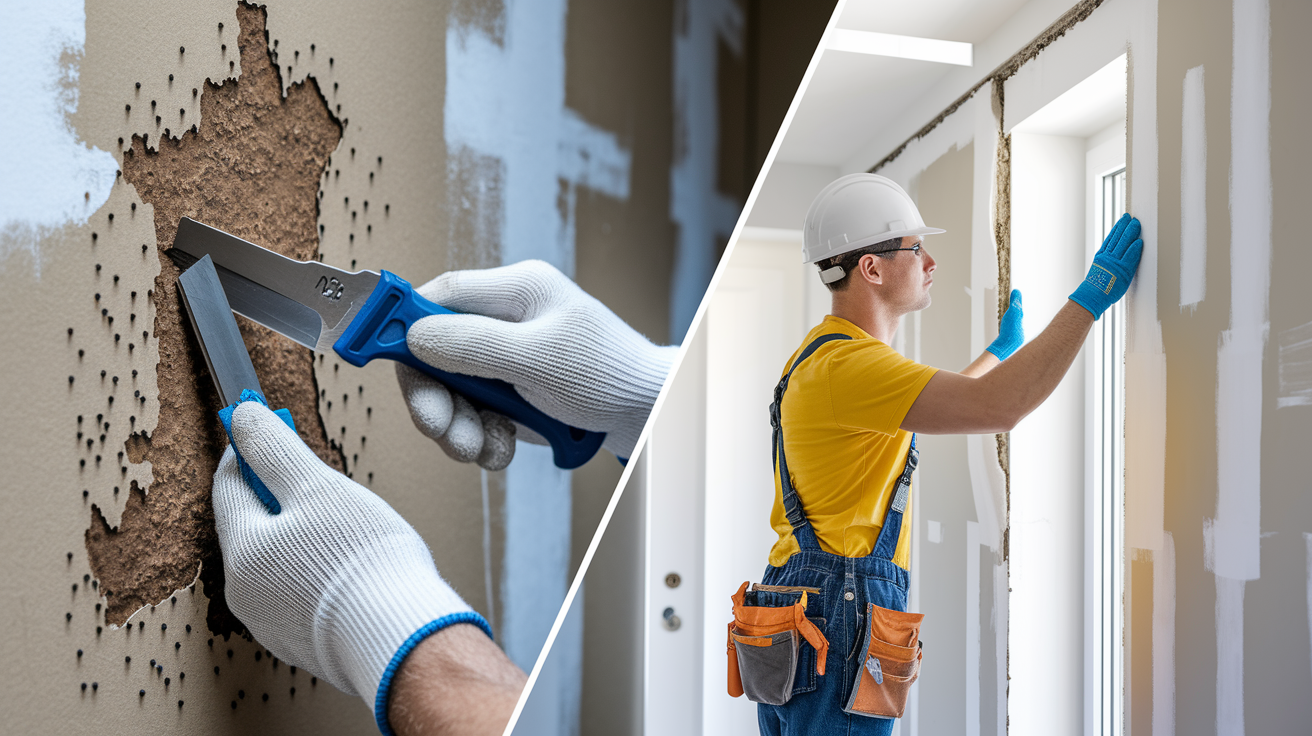
Both active and dormant mold require complete removal, not just surface cleaning. Porous materials like drywall, insulation, and carpet should be replaced rather than cleaned because spores penetrate deep inside building material. You can scrub the surface and think you’ve solved the problem, but mold staining may still contain inactive spores deep inside the material. Best practice is to replace moldy building materials rather than cleaning them. If you have extensive mold on drywall, don’t just wipe it down with bleach. Cut out the affected section, including at least 12 inches beyond visible growth, and replace it. This is the only way to be certain you’ve removed all spores.
Surface treatments like bleach or vinegar are inadequate. Bleach kills surface mold but doesn’t penetrate porous materials, and it evaporates quickly, leaving moisture behind that can actually encourage regrowth. Vinegar works similarly. It may kill some surface spores but does nothing for contamination inside materials. More importantly, simply drying out mold-infested areas is a temporary fix and doesn’t prevent return. The moisture source must be addressed. If you dry out a basement but don’t fix the foundation crack that’s letting water in, mold will return the next time it rains. Professional mold remediation addresses both the visible mold and the underlying moisture issues.
Controlling the three requirements for mold growth (moisture, food source, and temperature) keeps both active and dormant mold from developing. You can’t eliminate organic materials from your home (drywall, wood, paper, and fabric are everywhere), and you can’t control temperature enough to prevent mold (your home sits right in the ideal range most of the year). That leaves moisture control as the most practical homeowner strategy. Keep indoor humidity below 60%, and you remove the one variable that allows mold to grow. Regular cleaning with proper products and quarterly or monthly fogging can prevent inactive mold from becoming an active colony, but only if you’ve also controlled humidity. Preventing basement flooding and other moisture intrusion is the foundation of mold prevention.
Here are 7 specific prevention measures:
-
Maintain indoor humidity below 60%: Use a hygrometer to monitor levels in every room, especially basements, bathrooms, and kitchens.
-
Use dehumidifiers in basements and crawl spaces: Run them continuously during humid months and empty collection buckets daily or install a drain line.
-
Improve ventilation in bathrooms and kitchens: Install exhaust fans vented to the outside, run them during and 15 minutes after showers or cooking.
-
Fix leaks within 24 to 48 hours: Repair plumbing leaks, roof leaks, and exterior water intrusion immediately before mold can establish.
-
Clean HVAC systems regularly: Change filters monthly, schedule professional duct cleaning every 3 to 5 years, inspect drain pans and condensate lines quarterly.
-
Monitor condensation-prone areas: Check windows, pipes, and exterior walls for condensation and wipe dry immediately, improve insulation if needed.
-
Conduct quarterly moisture inspections: Walk through your home with a flashlight checking for water stains, soft spots, musty odors, and visible mold in hidden areas like under sinks, behind toilets, in closets, and along baseboards.
Final Words
The truth is that mold rarely dies—it’s either growing or waiting to grow again.
How to tell if mold is active or dead comes down to moisture more than anything else. Active mold needs water. Dormant mold is just paused until conditions change.
Visual checks, odor, and texture give you clues, but moisture readings and professional testing tell you what’s really happening. Both states carry health risks, so don’t skip safety gear when you’re investigating.
Fix the leak, dry the space, and remove affected materials. That’s how you stop mold from cycling between active and dormant. Keep humidity under control, and you won’t be asking this question again six months from now.
FAQ
What does inactive black mold look like?
Inactive black mold looks visually identical to active black mold, making it impossible to distinguish by appearance alone. The key difference is texture: dormant mold typically feels dry and powdery and can be brushed off easily, while active mold appears fuzzy or slimy with web-like filaments that resist removal.
Does mold disappear when it dies?
Mold does not disappear when it dies because true dead mold is extremely rare. Most mold exists in either an active or dormant state. Dormant mold behaves like a sleeping organism that suspends growth when conditions change but remains on surfaces until physically removed.
What kills 100% of black mold?
No surface cleaning method kills 100% of black mold because spores penetrate deep inside porous building materials like drywall and wood. The only effective approach is complete removal and replacement of contaminated materials combined with eliminating the moisture source that allowed growth.
Is dormant mold still harmful?
Dormant mold is still harmful because mold spores trigger allergic reactions regardless of activity status. When disturbed, dry dormant mold becomes airborne easily, causing respiratory issues, eye irritation, and other health problems. Both active and dormant mold require complete removal, not just surface treatment.