
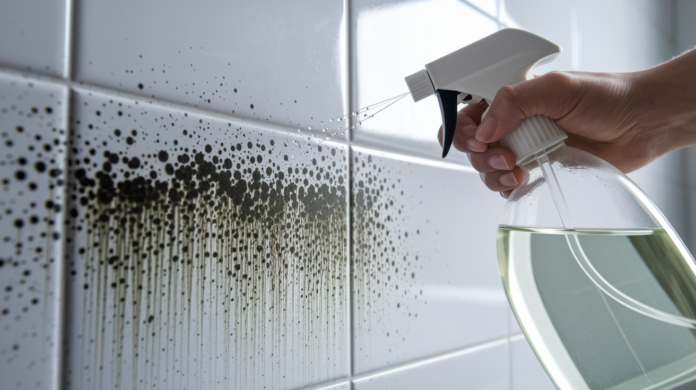
You’ve heard vinegar kills mold, but does pouring grocery store staples on your walls really work? It does—up to 82 percent effective against most household mold species, according to research. But there’s a right way and a wrong way to use it, and the difference matters when you’re standing in front of a moldy bathroom wall at midnight. This guide walks you through what vinegar actually does to mold, how to apply it safely, where it works best, and when you need something stronger.
Vinegar for Wall Mold: Effectiveness and Quick Application Guide
Yes, vinegar kills mold on walls with an 82 percent effectiveness rate against most mold species. You’ll want distilled white vinegar at 5% acidity, used undiluted for maximum punch. This makes vinegar a cost-effective, non-toxic option when you’re trying to avoid harsh chemicals during cleanup.
Use distilled white vinegar at full strength in a new, clean spray bottle. Don’t reuse containers that held other chemicals. Mixing residues can create dangerous reactions.
- Spray undiluted distilled white vinegar directly onto the moldy surface until it’s completely saturated
- Leave the vinegar on the surface for at least 30 minutes to one hour (contact time matters here)
- Rinse with clean water and wipe dry, then reapply if mold’s still hanging around
The acetic acid in vinegar disrupts mold spores and stops growth through its antimicrobial properties. This mild acidity works as a natural disinfectant without harsh fumes or chemical residues. Simple science: acetic acid changes the pH enough to kill most common household mold on contact.
Vinegar has limitations, though. It kills mold but won’t always remove the staining or discoloration left behind. Success depends on mold type, what surface you’re working with, and how bad the infestation is. What handles a small bathroom wall spot might not touch a large basement growth pattern.
You can use vinegar as often as needed whenever visible mold shows up. Makes it practical for regular maintenance and catching problems early, like that corner behind your shower curtain or the window sill where condensation collects.
Recommended Vinegar Type and Concentration Strength

Distilled white vinegar with 5% acidity is your standard household choice for mold removal. Undiluted vinegar gives you the best results. Don’t dilute it. The acetic acid concentration at full strength provides the killing power you need without complicating things.
Always grab a new, clean spray bottle and never reuse containers that held other chemicals or cleaning solutions. You don’t want to discover what happens when residues mix while you’re working in a small bathroom.
- Distilled white vinegar (5% acidity), the standard option at any grocery store
- Cleaning vinegar (6% acidity), a stronger commercial version in the cleaning aisle
- Optional essential oil addition (10 to 30 drops of eucalyptus, citrus, or lavender lemon) if the vinegar smell bothers you
- Store-bought bottles or refillable spray bottles both work as long as the bottle’s clean and new
Diluted solutions reduce effectiveness and aren’t recommended when you’ve got active mold growth. Diluted vinegar might work for prevention on already clean surfaces, but when you’re dealing with visible mold, full strength is what gets the job done.
Safe Application Process: Equipment, Preparation, and Step-by-Step Execution
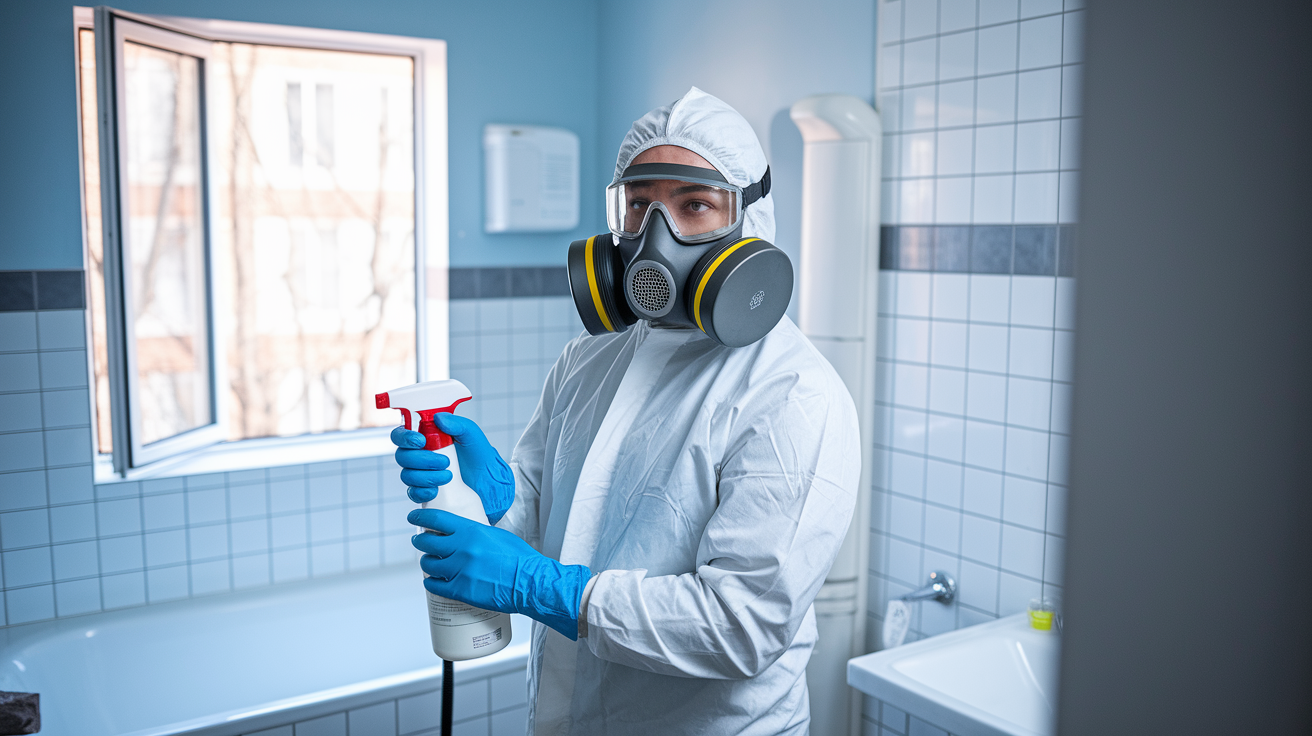
Vinegar might be a non-toxic cleaner, but mold spores pose health risks including allergic reactions and respiratory problems. Proper protective equipment and ventilation matter before you start any mold removal work. The vinegar won’t hurt you. The mold you’re removing can.
- N-95 face mask or respirator for respiratory protection (not just a paper dust mask)
- Rubber or nitrile protective gloves and safety goggles to protect your eyes from spores and spray
- Old, washable clothes you can launder immediately after. Don’t wear your favorite shirt.
- Proper ventilation setup (open windows, circulating fans, or bathroom exhaust fans running)
- Plastic sheeting or drop cloths to protect surrounding areas from drips and contaminated runoff
Proper technique and adequate contact time are critical. Rushing means you’ll probably be doing this again next month.
- Set up ventilation by opening windows and starting fans, then put on all safety equipment before opening that spray bottle
- Fill your clean spray bottle with undiluted distilled white vinegar (add optional essential oils if you want)
- Spray vinegar directly onto the moldy wall surface until it’s completely saturated. Don’t wipe immediately. This isn’t glass cleaner.
- Let the vinegar sit on the surface for at least 30 minutes to one hour (this soaking period lets acetic acid penetrate and kill mold spores deep in the surface)
- For stubborn mold or heavy growth, use a scrub brush to work the surface after contact time
- Rinse the area thoroughly with clean water using a sponge or microfiber cloth, then wipe the surface dry or allow adequate drying time with proper air circulation
- Check for remaining mold. You might need to reapply for stubborn stains or deeply embedded growth.
Toss contaminated sponges, paper towels, and brushes in sealed plastic bags and put them in outside trash to prevent spreading mold spores throughout your home. Vinegar kills mold, but remaining discoloration may need additional treatment with an all-purpose cleaner or stiff brush, especially on grout lines and textured surfaces where mold’s left dark marks. Give the area proper drying time with continued ventilation to prevent immediate mold return. If you seal up a damp wall right after cleaning, you’re creating perfect conditions for the next round of growth.
Which Wall Surfaces Work Best With Vinegar Treatment

Material compatibility matters when using vinegar for mold removal. Vinegar works on many common household surfaces, but its acidic nature can damage certain materials. Always test vinegar on an inconspicuous spot before full application, especially on painted walls, wallpaper, or any surface where the finish or material is uncertain. Spray a small area behind furniture or in a closet corner and check after 10 minutes.
Vinegar works well on painted walls (latex or acrylic paint), bathroom walls with tile, drywall (non-porous painted finish), concrete walls, grout lines, window sills, and ceiling mold on standard painted surfaces. Non-porous surfaces respond best because vinegar can fully penetrate and kill surface mold without being absorbed into material where it might cause structural damage over time.
| Surface Type | Vinegar Compatibility | Important Notes |
|---|---|---|
| Painted drywall | Compatible | Works on latex and acrylic paint; test first on older paint |
| Ceramic tile | Compatible | Excellent for bathroom walls and shower surrounds |
| Grout lines | Compatible with caution | May not remove dark staining; stiff brush needed |
| Concrete | Compatible | Good for basement walls and foundations |
| Hardwood | Not compatible | Can dull finish and damage wood fibers |
| Marble/Limestone/Granite | Not compatible | Acid will pit, etch, or permanently dull stone surfaces |
| Wallpaper | Test first, risk of damage | May dissolve adhesive or stain paper; consider professional removal |
| Window sills (painted) | Compatible | Common mold location due to condensation |
Vinegar kills mold but doesn’t always remove stains left by mold growth on certain materials. You might need additional treatment with an all-purpose cleaner or stiff brush for complete aesthetic restoration, particularly on grout lines and textured surfaces where dark discoloration has set in.
Mold Prevention Strategies After Vinegar Treatment
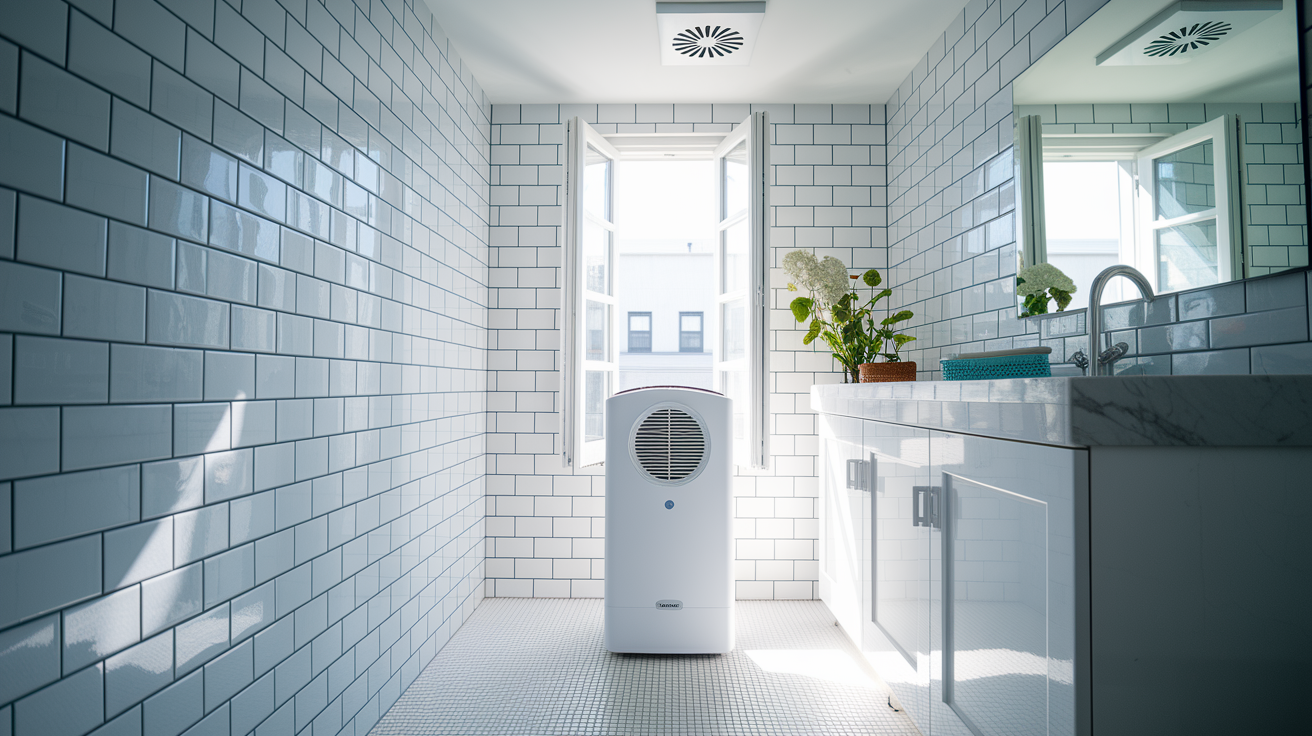
Killing existing mold with vinegar is only a temporary fix if you don’t control ongoing moisture and humidity through consistent maintenance after treatment. You can scrub every surface in your house, but if water keeps showing up, so will the mold.
Install dehumidifiers in moisture-prone areas and crawlspaces, keeping humidity below 50 to 60 percent. Run bathroom exhaust fans during bathing or showering, not just for five minutes after, but the entire time water’s running. Improve air circulation by opening windows when weather permits. Consider moisture barriers in crawlspaces for long-term protection against ground moisture working its way up into your home.
Additional post-treatment preventive steps include using mold-inhibiting paint in high-moisture areas like kitchens, bathrooms, and basements, doing regular visual inspections for early detection of new growth, and getting adequate sunlight exposure where possible since mold prefers dark environments. These ongoing practices keep treated areas mold-free after successful vinegar application. Think of them as the follow-up work that makes your initial cleaning effort stick.
Vinegar Alternatives and Comparison for Wall Mold Treatment
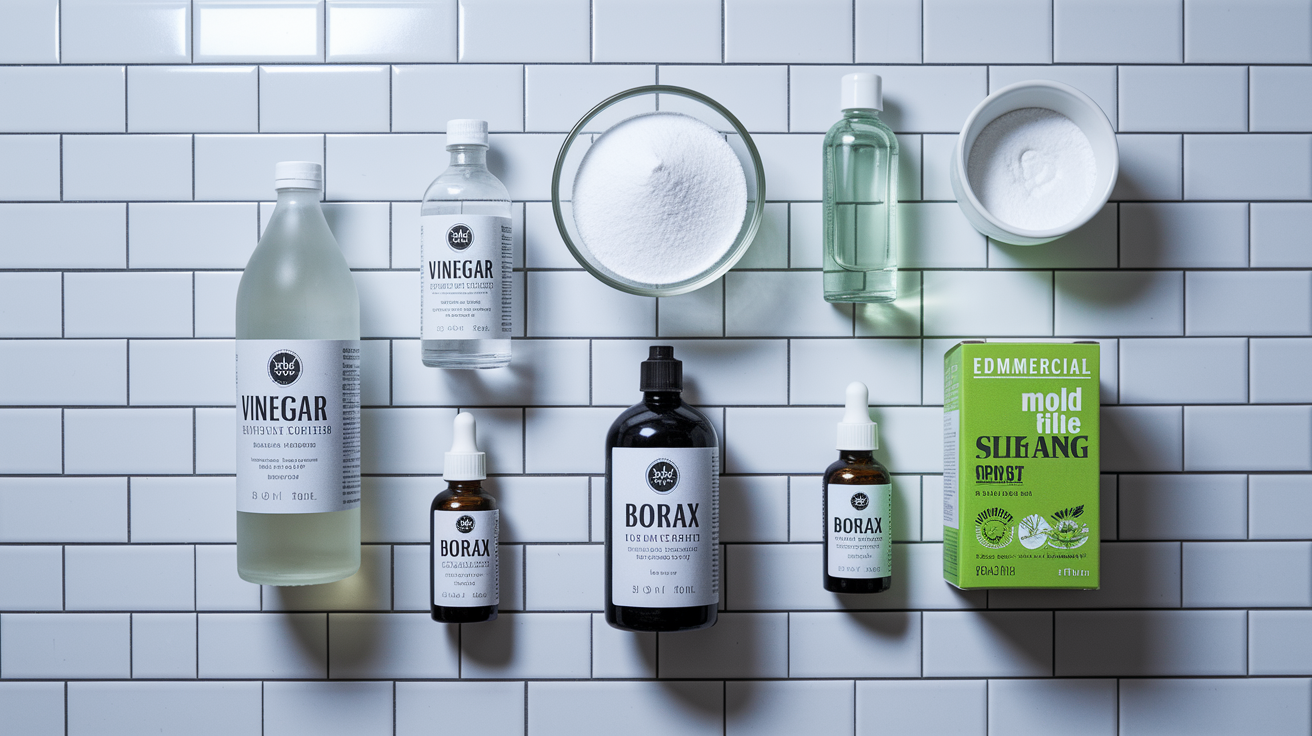
Vinegar kills 82 percent of mold species, but other natural cleaning agents and commercial products offer alternatives depending on mold severity, surface type, and what you prefer. These work as options when vinegar alone doesn’t get the job done or when you need different antimicrobial properties for specific situations.
| Cleaning Solution | Effectiveness | Best Use Case | Safety Profile |
|---|---|---|---|
| White vinegar | 82% kill rate | Most household wall mold situations | Non-toxic, safe for regular use |
| Hydrogen peroxide (3%) | Broad spectrum fungicide | Stubborn stains and bleaching needs | Non-toxic, breaks down to water and oxygen |
| Baking soda | Mild abrasive/deodorizer | Scrubbing power and odor removal | Completely safe, often combined with vinegar |
| Tea tree oil | Strong antifungal | Small areas, natural approach | Safe but expensive; strong smell |
| Borax | Alkaline mold inhibitor | Prevention and killing | Low toxicity but requires careful handling |
| Commercial mold remover | Varies by product | Extensive growth, quick results | Chemical-based, requires ventilation |
Hydrogen peroxide works well as another non-toxic option with bleaching properties that can remove stains better than vinegar. Baking soda can be combined with vinegar for scrubbing power and odor removal. The fizzing reaction helps lift mold from textured surfaces. Tea tree oil offers strong antifungal properties in small amounts (just a few drops in water), though the cost adds up for larger areas. Borax provides alkaline-based mold killing and works as a preventive treatment you can leave on surfaces. Commercial mold removers contain stronger chemicals for extensive infestation but bring fumes and require more careful ventilation. These alternatives vary in cost, eco-friendliness, and application methods compared to vinegar’s simplicity and safety.
Black Mold and Limitations of Vinegar Treatment
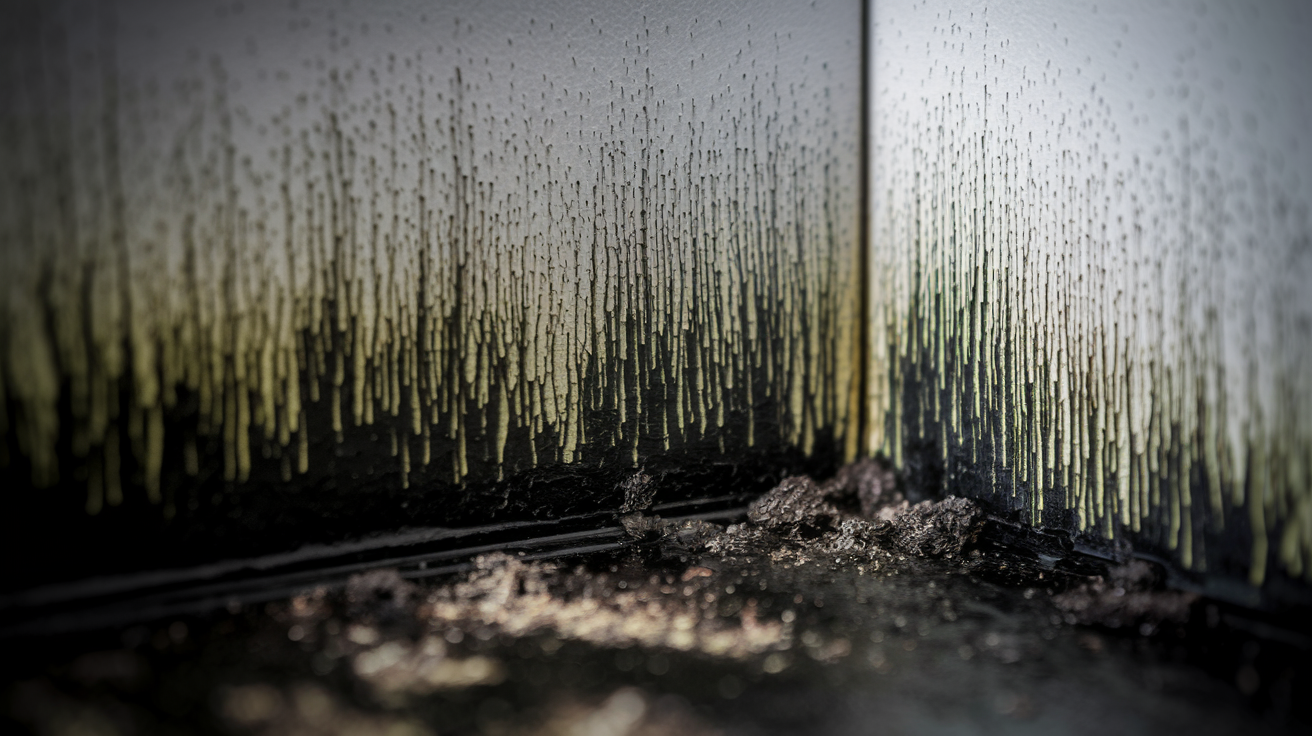
Vinegar works against many household mold types, but black mold (Stachybotrys chartarum) and other toxic mold species pose significant health risks including severe allergic reactions and respiratory problems. Vinegar’s 82 percent effectiveness rate means some resistant mold species may not be fully eliminated. Black mold often falls into that remaining 18 percent that needs stronger intervention.
Vinegar may kill mold but leave stubborn stains and discoloration that need additional treatment or material replacement. On surfaces where mold’s been present for extended periods, the discoloration has often penetrated beyond where surface cleaning can reach.
You need professional remediation when mold covers 10 or more square feet, when toxic mold is suspected based on appearance or health symptoms, when mold returns repeatedly despite treatment, or when structural materials are compromised by water damage. Professional services have specialized equipment like HEPA air scrubbers and negative air machines, proper containment procedures to prevent spore spread, and can address root causes more thoroughly than a spray bottle and scrub brush approach.
Deep penetration into porous materials like unsealed drywall, wood, or insulation may require professional assessment. Surface cleaning might look successful while mold continues growing inside wall cavities or beneath finish materials where you can’t see or reach it.
Common Mistakes When Using Vinegar on Moldy Walls

Vinegar’s a straightforward DIY method, but several common mistakes undermine its effectiveness or create safety hazards that turn a simple cleaning job into a bigger problem.
- Using diluted vinegar instead of undiluted solution, reducing antimicrobial effectiveness. Save the dilution for windows, not mold.
- Failing to rinse vinegar residue after treatment, which can damage some surfaces over extended contact periods or leave sticky residue that attracts dirt
- Not addressing underlying moisture problems or root causes, leading to recurring mold that reappears in the same spot every few weeks
- Disposing of contaminated cleaning materials in indoor trash, spreading mold spores throughout your home every time someone opens the lid
- Attempting DIY treatment on extensive infestations (10+ square feet) that require professional remediation with proper containment
- Skipping regular post-treatment maintenance and humidity monitoring, assuming one cleaning solves the problem permanently
The most critical mistake is treating mold as only a surface cleaning problem rather than investigating the moisture source and water intrusion points that allowed mold growth initially. Without fixing leaks, improving ventilation, or controlling humidity levels, even effective vinegar treatment becomes a temporary fix followed by recurring mold within weeks or months. Successful long-term mold prevention requires combining proper application with addressing the environmental conditions that support mold growth. Find where the water’s coming from, or you’ll be spraying vinegar on the same wall every season.
Final Words
Vinegar to kill mold on walls works for most household situations when you use it undiluted and give it enough contact time.
The 82 percent effectiveness rate, simple application method, and non-toxic profile make it a practical first step for small to moderate mold growth on compatible surfaces.
But vinegar only solves half the problem. If you don’t fix the leak, improve ventilation, or control humidity, the mold comes back.
Treat vinegar as part of a complete approach: kill what’s there, remove the moisture source, and maintain proper conditions to keep walls dry and mold-free going forward.
FAQ
Will vinegar kill mold on painted walls?
Vinegar will kill mold on painted walls with an 82 percent effectiveness rate against most mold species. Use distilled white vinegar at full strength (undiluted) sprayed directly onto the moldy surface. Allow at least 30 minutes to one hour of contact time before rinsing for maximum antimicrobial action.
How long does it take vinegar to kill mold on walls?
Vinegar takes a minimum of 30 minutes to one hour to kill mold on walls when left in contact with the surface. The acetic acid needs this soaking period to penetrate mold spores and disrupt their growth. Longer contact time improves effectiveness, especially for stubborn or heavy mold growth.
What is the best homemade mold remover?
The best homemade mold remover is undiluted distilled white vinegar (5% acidity) applied directly to moldy surfaces. Vinegar kills 82 percent of mold species, costs little, and poses no toxic fumes. Alternative natural options include hydrogen peroxide (3%), baking soda paste, or tea tree oil solution for different surface needs.
What kills mold permanently in walls?
Killing mold permanently in walls requires eliminating the moisture source causing mold growth, not just surface treatment. Fix leaks, control humidity below 50-60%, improve ventilation, and use dehumidifiers. Vinegar or other cleaners kill existing mold, but prevention through moisture control stops recurrence. Professional remediation handles extensive infestations (10+ square feet) or toxic mold.
Can I use diluted vinegar for mold removal?
Diluted vinegar reduces mold-killing effectiveness and is not recommended for active mold growth situations. Use undiluted distilled white vinegar (full strength) for maximum antimicrobial properties. Diluted solutions may work for light prevention maintenance on already-clean surfaces but won’t adequately treat existing mold infestations.
Does vinegar remove mold stains from walls?
Vinegar kills mold but does not always remove stains and discoloration left behind by mold growth. You may need additional treatment with all-purpose cleaner and a stiff brush for stubborn stains, particularly on grout lines and textured surfaces. Some materials retain permanent discoloration requiring repainting or replacement.
Is vinegar safe for all wall surfaces?
Vinegar is not safe for all wall surfaces due to its acidic nature. Avoid using vinegar on marble, limestone, granite, hardwood, or unsealed natural stone as it can etch, pit, or dull these materials. Always test vinegar on an inconspicuous spot before full application, especially on wallpaper or delicate finishes.
Should I rinse walls after applying vinegar for mold?
You should rinse walls after vinegar treatment by wiping with clean water and a sponge or microfiber cloth. This removes vinegar residue and dead mold spores while preventing potential surface damage from extended acid contact. Dry the area thoroughly afterward or allow adequate drying time with proper air circulation.
Can I reuse a spray bottle for vinegar mold treatment?
Never reuse spray bottles that previously contained other chemicals for vinegar mold treatment to avoid dangerous chemical reactions. Use a new, clean spray bottle filled with undiluted distilled white vinegar. Store-bought vinegar bottles with spray attachments work well as safe alternatives to refillable containers with unknown chemical history.
When should I call a professional instead of using vinegar?
Call a professional when mold covers 10 or more square feet, when black mold or toxic species are suspected, when mold returns repeatedly despite treatment, or when structural materials show water damage. Professionals have specialized equipment and containment procedures. Deep mold penetration into porous materials may require professional assessment for material replacement decisions.