

Most backup sump pumps need electricity or batteries. But what happens when the power goes out and your municipal water keeps running? A water-powered backup sump pump uses your home’s water pressure to create vacuum suction, pumping out basement flooding without any electricity at all. It’s a clever physics trick called the venturi effect, and it works automatically the moment your primary pump fails. But water-powered systems have specific requirements and real limitations that make them a poor fit for some homes and a perfect backup for others.
Top Water-Powered Backup Sump Pump Models: Performance and Price Comparison
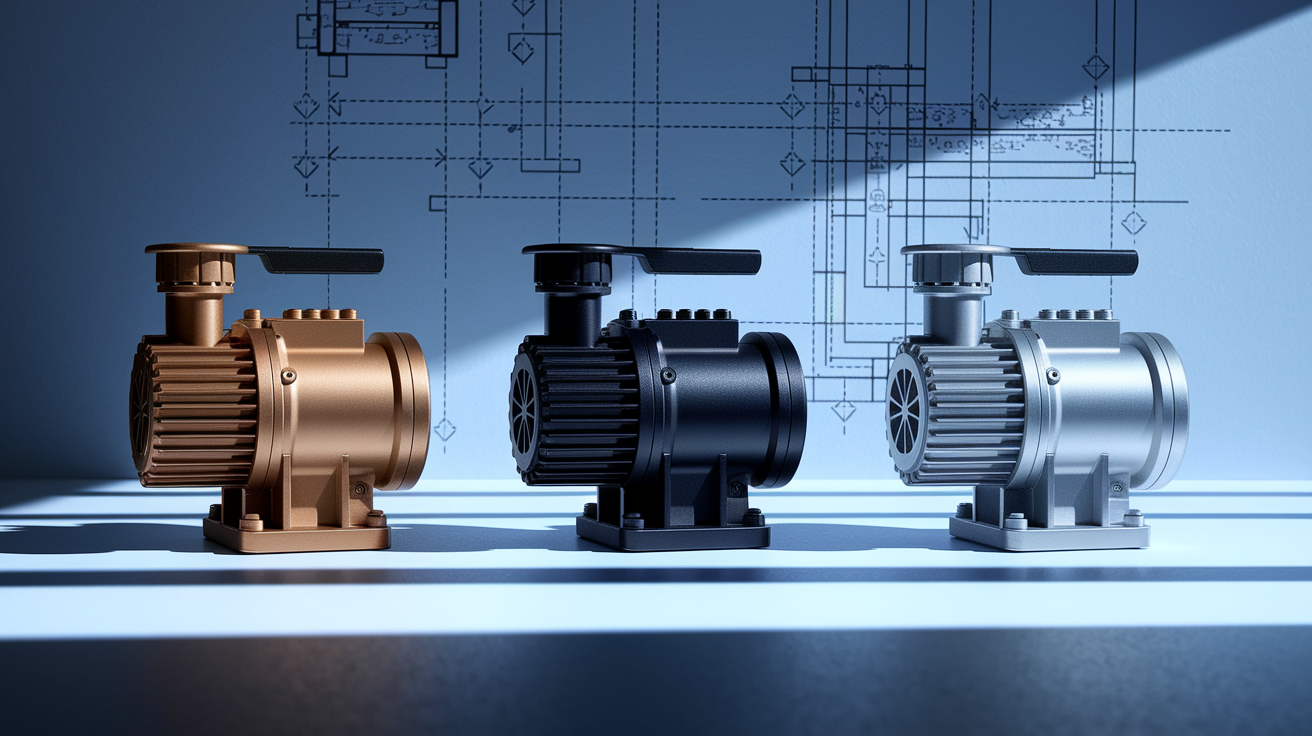
Water-powered backup sump pumps run anywhere from $200 for basic models up to $900 for high-capacity systems. Three major manufacturers dominate the market, each offering different specs and features that match different flooding risks and basement sizes.
Water Commander Models (MG36 and MG22)
The Water Commander MG36 leads the category with pumping capacity up to 2,830 gallons per hour at a 10-foot lift. At 60 PSI water pressure, it moves close to 40 gallons per minute. That makes it suitable for larger basements or high water table areas where rapid water removal matters. The MG22 offers mid-range performance at 1,800 gallons per hour at 10-foot lift, a solid match for typical residential basements without extreme flooding concerns. Both models use bronze construction for long-term durability in wet environments.
Zoeller 540 Flex
Zoeller manufactures the 540 Flex in the United States using 95% domestic content. That’s a selling point for contractors and homeowners prioritizing American-made products. The 540 Flex falls in the middle capacity range and has earned strong reputation among plumbers for reliable operation and straightforward installation. Zoeller provides comprehensive warranty coverage and maintains extensive replacement parts inventory through regional distributors.
Liberty Pumps Systems
Liberty Pumps produces American-made water-powered backup systems competitive with both Water Commander and Zoeller. Their models typically fall in the 800 to 1,200 gallons per hour range at standard operating conditions. Liberty emphasizes corrosion-resistant materials and simplified maintenance access in their design.
| Model | Manufacturer | Capacity at 10′ Lift | Capacity at 60 PSI | Price Range | Key Features |
|---|---|---|---|---|---|
| MG36 | Water Commander | 2,830 GPH | ~40 GPM | $700-$900 | Highest capacity, bronze construction, best for large basements |
| MG22 | Water Commander | 1,800 GPH | 30-35 GPM | $500-$700 | Mid-range capacity, residential standard |
| 540 Flex | Zoeller | 1,000-1,200 GPH | 20-25 GPM | $400-$600 | 95% U.S. content, contractor favorite, extensive parts network |
| Liberty Model | Liberty Pumps | 800-1,000 GPH | 15-20 GPM | $300-$500 | American-made, corrosion-resistant, maintenance access |
| Generic Models | Various | 800-1,000 GPH | 15-20 GPM | $200-$400 | Basic protection, limited warranty, variable build quality |
Select capacity based on your basement square footage and typical water intrusion rate. Basements under 1,000 square feet with minor seepage handle well with 800-1,200 GPH models. Larger basements over 1,500 square feet, especially those with history of significant flooding or high water tables, benefit from the MG36’s higher capacity. Budget $200-400 for entry-level protection or $700-900 for maximum capacity with premium construction materials and longer warranty coverage.
How Water-Powered Backup Sump Pumps Protect Your Home

Water-powered backup sump pumps are emergency systems that activate automatically when your primary electric sump pump fails or becomes overwhelmed during power outages. These systems connect directly to your home’s municipal water supply and use water pressure to remove flooding water from your basement without requiring any electricity.
The basic working principle relies on water pressure creating vacuum suction through a specialized nozzle system. Municipal water flows through a narrow opening inside an ejector unit, accelerating to high speed. This fast-moving water stream creates a low-pressure zone that generates powerful suction, pulling water up from the sump pit and carrying it out through the discharge line.
Activation happens automatically when water in your sump pit rises above the primary pump’s float switch level. A second float positioned slightly higher than your main pump triggers the water-powered backup to engage. Once activated, municipal water begins flowing through the system, generating the vacuum effect that starts pumping groundwater out of your basement. Many models include a built-in alarm that sounds when the backup activates, alerting you to the primary pump failure even if you’re upstairs or away from home.
The key advantage shows up during power outages. Your primary electric pump stops working the moment power cuts off, but a water-powered backup keeps operating as long as municipal water pressure holds steady. No batteries to charge, no generator to fuel, no electricity required.
The Venturi Effect: How Water-Powered Pumps Actually Work

The venturi effect forms the core operating principle behind water-powered backup sump pumps. When water flows through a constricted opening or nozzle, it speeds up significantly. This acceleration drops the pressure in that narrow zone, creating a vacuum that can pull in surrounding fluids. Water-powered sump pumps harness this physics principle to generate powerful suction using only municipal water flow.
The ejector jet mechanism contains a precisely engineered nozzle and chamber assembly. Municipal water enters through your home’s supply line and gets forced through a small opening in the nozzle. The water accelerates to high velocity as it passes through this restriction. Inside the chamber surrounding the nozzle, pressure drops below atmospheric levels, creating vacuum suction. This suction connects to a pipe extending down into your sump pit, pulling groundwater up and mixing it with the fast-moving municipal water stream. The combined flow then exits through the discharge line.
The efficiency ratio works out to roughly 1:2. For every gallon of municipal water the system uses, it pumps approximately 2 gallons of groundwater out of your sump pit. This means the pump effectively multiplies the removal capacity beyond just the municipal water volume flowing through it.
Here’s the operational sequence from start to finish:
- Municipal water enters the pump through the supply connection when the float switch activates
- Water accelerates through the narrow nozzle inside the ejector jet assembly, creating high-velocity flow
- Low pressure forms in the chamber surrounding the nozzle due to the venturi effect
- Vacuum suction pulls groundwater up from the sump pit through the suction pipe
- Groundwater mixes with the municipal water stream and both exit together through the discharge line
Municipal Water Requirements: Pressure, Flow, and Well Water Incompatibility

Water-powered backup sump pumps absolutely require connection to a municipal water supply. There’s no workaround for this requirement.
Minimum water pressure must exceed 20-25 PSI for basic operation, but 40 PSI or higher is strongly recommended for reliable performance. Lower pressure reduces pumping capacity significantly. At 40 PSI, most models pump 800-1,000 gallons per hour. At 60 PSI, capacity can reach 1,800-2,830 gallons per hour depending on the model. The relationship is direct. Higher pressure equals higher pumping capacity.
Homes with well water systems can’t use water-powered backup pumps effectively. Here’s why this creates an impossible situation. During a power outage, your well pump stops running because it requires electricity. No well pump operation means no water pressure. No water pressure means the water-powered backup can’t function. You end up with a backup pump that fails at exactly the moment you need it most. This circular dependency makes well water completely incompatible with water-powered backup systems.
The supply line connection requires either 3/4 inch or 1 inch municipal water piping. Smaller diameter pipes restrict flow too much for effective operation. Your home’s existing plumbing typically provides adequate flow rate as long as pressure stays above minimum thresholds. The system branches off your main supply line through a dedicated connection with its own shut-off valve.
Test your home’s water pressure using a simple pressure gauge that threads onto any outdoor hose bib. Shut off all water-using appliances and fixtures in the house. Thread the gauge onto the hose connection and open the valve fully. The gauge displays your static water pressure in PSI. Test at different times of day since municipal pressure can drop during peak usage hours. If readings consistently fall below 40 PSI, a water-powered backup pump will underperform or fail to provide adequate protection.
Complete Installation Guide: Steps, Components, and Professional vs DIY Considerations

Connection to your municipal water supply requires either a 3/4 inch or 1 inch supply line with minimum 40 PSI pressure for reliable performance. Check your water pressure before purchasing the pump.
You can install horizontally or vertically depending on your sump pit configuration and available space. The seven-step process follows a specific sequence to ensure proper operation and prevent water damage during setup.
-
Place the pump in the sump pit on a stable base or mount to the pit wall, positioning it above the waterline but below the primary pump’s float switch level
-
Install the suction pipe that extends down into the sump pit with a debris screen at the bottom to prevent gravel, leaves, or large particles from entering the pump inlet
-
Install the float valve and position it 2-3 inches above your primary pump’s float level so the backup only activates when the primary fails or becomes overwhelmed
-
Install the municipal water supply tubing from your home’s water line to the pump inlet, including a dedicated shut-off valve for maintenance and testing
-
Install discharge piping that routes through your basement’s sill plate to the exterior, maintaining proper slope for drainage
-
Connect the source water piping with required backflow preventer to protect municipal water supply from contamination
-
Test complete operation by filling the sump pit above the backup float level and verifying automatic activation, pumping action, and proper discharge
Three critical safety components protect both your home and the municipal water supply. Backflow preventers are legally required in most jurisdictions to prevent contaminated sump water from being drawn back into the drinking water system. Common approved types include dual check valves and Watts 9D style preventers. Check valves on the suction pipe prevent water from flowing back down into the sump pit after the pump stops. The debris screen at the suction pipe inlet blocks materials that would clog the narrow nozzle passages inside the ejector unit.
Float positioning determines activation sequence. The backup pump’s float must sit above your primary pump’s float. When water rises, the primary pump engages first. If water continues rising past that float level because the primary failed or can’t keep up with inflow rate, the backup float triggers. This sequential activation prevents both pumps from running simultaneously under normal conditions.
Discharge line routing requires careful planning. Run the pipe through your sill plate using a properly sealed penetration. Maintain at least 1/4 inch per foot downward slope to prevent water from settling in the line. Discharge at minimum 10 feet from your foundation to avoid the pumped water re-entering through the same foundation cracks it just exited from. In cold climates, consider insulation or heat tape for exposed discharge piping that could freeze during winter power outages.
Professional installation typically costs $300-600 for labor beyond equipment cost. Consider hiring a licensed plumber if you’re unfamiliar with soldering copper pipe, making reliable threaded connections, or if your municipality requires permitted plumbing work with inspection. DIY installation works fine for homeowners comfortable with basic plumbing and following detailed instructions, but code compliance verification matters for insurance purposes and future home sales.
Pumping Performance: Capacity Specifications Across Different Conditions

Capacity ranges from 800 to 2,830 gallons per hour depending on the specific model and operating conditions. Entry-level systems pump 800-1,000 GPH at a 10-foot lift height, while high-capacity models like the Water Commander MG36 reach 2,830 GPH at the same lift. Lift height refers to the vertical distance water must travel from the sump pit bottom up through your discharge line. Most residential installations fall between 8 and 12 feet of total lift.
Water pressure and lift height work against each other to determine actual pumping capacity. Higher municipal water pressure (PSI) generates stronger vacuum suction and faster flow. Higher lift requirements reduce capacity because the pump must work harder to move water vertically. At 60 PSI and 10-foot lift, the MG36 pumps close to 40 gallons per minute. That same pump at 40 PSI and 15-foot lift would deliver significantly less capacity. The relationship isn’t linear. It drops off as conditions become less favorable.
Runtime remains unlimited as long as your municipal water maintains adequate pressure. Unlike battery backup pumps that deplete after 5-7 hours of continuous use, water-powered systems keep operating through multi-day power outages or extended pumping events. This unlimited runtime makes them particularly valuable during severe weather that knocks out power for extended periods while simultaneously creating heavy groundwater intrusion.
| Model/Lift Height | Capacity at 40 PSI | Capacity at 60 PSI | Capacity at 80 PSI |
|---|---|---|---|
| Entry-Level at 10′ Lift | 650 GPH | 800 GPH | 950 GPH |
| Mid-Range at 10′ Lift | 1,200 GPH | 1,500 GPH | 1,750 GPH |
| High-Capacity at 10′ Lift | 2,000 GPH | 2,400 GPH | 2,830 GPH |
Water-Powered vs Battery Backup Sump Pumps: Complete Comparison

Two primary backup options protect basements during primary pump failure. Water-powered systems and battery-operated pumps. Each uses completely different operating principles and comes with distinct advantages and constraints.
Upfront costs favor battery systems at $300-500 for pump plus battery, compared to $200-900 for water-powered models. But ongoing maintenance costs shift the calculation significantly over time.
| Feature | Water-Powered | Battery Backup |
|---|---|---|
| Runtime | Unlimited with municipal water | 5-7 hours continuous use |
| Capacity | 800-2,830 GPH at 10′ lift | 1,000-1,800 GPH at 10′ lift |
| Maintenance | Minimal, test quarterly | Battery replacement every 3 years |
| Upfront Cost | $200-$900 | $300-$500 |
| Ongoing Costs | Water usage during pumping events | $200 battery every 3 years |
| Power Source | Municipal water pressure | 12V marine battery |
| Reliability | Depends on municipal water supply | Depends on battery charge state |
| Lifespan | 10-20 years | Pump 10+ years, battery 3 years |
Ten-year total cost of ownership reveals the financial picture clearly. Battery backup system: $400 initial purchase plus three battery replacements at $200 each equals $1,000 total. Water-powered system at $600 purchase plus estimated $150 in water costs over a decade equals $750 total. The water-powered system saves $250 over 10 years while eliminating maintenance tasks and battery monitoring. Higher-capacity water-powered models at $800-900 break even or cost slightly more than battery systems but provide superior pumping capacity without runtime limitations.
Combination systems install both backup types for ultimate protection. Position floats at three levels. Primary electric pump lowest, battery backup middle, water-powered highest. This triple-layer protection handles primary pump failure (battery engages), extended power outage (water-powered takes over if battery depletes), and maximum flood conditions where multiple pumps run simultaneously. Combination setups make sense for finished basements with high property value at risk or areas with frequent severe weather and unreliable power grids.
Operational Costs: Water Consumption Rates and Long-Term Expense Analysis

Water-powered pumps use 1 gallon of municipal water to pump 2 gallons from your sump pit. This 1:2 ratio means the system itself consumes half the total volume it removes.
Annual water consumption for typical homeowners compares to running a lawn sprinkler for several hours. Most basements experience 2-4 significant pumping events per year, each lasting a few hours. This intermittent use pattern keeps water costs reasonable for average households.
Here are example calculations for different pumping durations at 1,200 GPH capacity:
-
2-hour pumping event uses 1,200 gallons of municipal water, costs roughly $4.80 at $0.004 per gallon typical municipal rate
-
4-hour pumping event uses 2,400 gallons, costs approximately $9.60
-
8-hour pumping event uses 4,800 gallons, costs about $19.20
-
24-hour extended pumping event uses 14,400 gallons, costs around $57.60
| Cost Category | Water-Powered (Year 1) | Water-Powered (10-Year) | Battery Backup (Year 1) | Battery Backup (10-Year) |
|---|---|---|---|---|
| Equipment Purchase | $600 | $600 | $400 | $400 |
| Installation | $300-$600 (if professional) | $300-$600 | $200-$400 | $200-$400 |
| Operational Costs | $10-$30 (water usage) | $100-$300 | $0 | $600 (3 batteries × $200) |
| Maintenance | $0-$50 | $0-$100 | $25-$50 (testing/charging) | $250-$500 |
| Total Cost of Ownership | $910-$1,280 | $1,000-$1,600 | $625-$850 | $1,450-$1,900 |
Break-even point arrives around year 6-7 when battery replacement costs accumulate. From year 1-5, battery systems cost less to own and operate. After three battery replacements at $200 each plus ongoing maintenance, battery backup total expense exceeds water-powered systems by $300-500. Water-powered systems eliminate the battery replacement cycle entirely, saving $600-800 over a decade while providing unlimited runtime. For basements with frequent pumping needs or areas with extended power outages, the value proposition strengthens further because battery systems would require more frequent replacement or larger battery banks at additional cost.
Advantages and Limitations: Balanced Assessment of Water-Powered Backup Systems

Weighing benefits against constraints helps determine if water-powered backup systems match your specific home circumstances and flooding risk profile.
Key advantages include:
Unlimited runtime as long as municipal water pressure maintains minimum 20-25 PSI, eliminating the 5-7 hour depletion issue that affects battery systems during extended power outages. Zero battery maintenance, monitoring, or replacement cycles that cost $200 every 3 years and require regular charging checks. 10-20 year lifespan with minimal maintenance requirements due to fewer moving parts than electric pumps or battery systems. Automatic activation through float switch with no manual intervention needed, even during middle-of-night emergencies or when you’re away from home. Ideal for vacation homes, rental properties, and property managers who can’t regularly check battery charge status or perform monthly testing. Operates during power outages without generators, battery charging, or any electrical connection.
Significant limitations to consider:
Requires municipal water connection, creating complete dependence on city water infrastructure that could fail during severe weather or water main breaks. Minimum 20-25 PSI pressure requirement means homes with low water pressure can’t use these systems effectively, and performance drops significantly below 40 PSI. Well water systems are completely incompatible because power outages shut off well pumps, eliminating the water pressure needed to operate the backup pump. Pumping capacity may not match high-end battery backup systems during extreme flooding situations where maximum GPH matters most. Water consumption during extended pumping events (8+ hours) can result in notable water bills, particularly in areas with expensive municipal water rates.
Water-powered backup systems offer strongest value for municipal water homes with adequate pressure, vacation properties where battery maintenance is impractical, and situations where unlimited runtime outweighs water consumption costs. The elimination of battery replacement cycles and monitoring requirements makes these systems particularly attractive for rental properties, second homes, and homeowners who want truly hands-off backup protection. But homes on well water, properties with low municipal pressure, or basements facing extreme flooding where maximum GPH capacity determines success should consider battery backup or combination systems instead.
Combination Backup Systems: Dual Protection Strategy

Triple-layer protection installs a primary electric sump pump plus both battery and water-powered backup systems in the same pit. This redundant configuration provides three independent pumping methods that activate in sequence based on water level.
Float positioning determines activation order. Primary pump float sits lowest, engaging first under normal conditions. Battery backup float positions 2-3 inches higher, activating only if the primary fails or can’t keep up with inflow. Water-powered backup float sits highest, triggering last as final protection before water reaches dangerous levels.
Multi-pump configurations deliver superior protection during compound failure scenarios. Primary pump mechanical failure during a power outage would exhaust a single battery backup within 5-7 hours, but a water-powered system continues indefinitely. Extreme rainfall overwhelming primary pump capacity allows battery and water-powered backups to run simultaneously with the working primary, tripling total pumping capacity during peak inflow. Extended multi-day power outages drain battery systems completely, but water-powered backups maintain protection as long as municipal water pressure holds.
The investment makes financial sense for finished basements with $20,000+ in property value at risk, homes in flood-prone areas with history of severe weather, or properties where previous flooding caused significant damage. A $1,500 combined backup system (battery plus water-powered) costs substantially less than replacing carpet, drywall, furniture, and dealing with mold remediation. For unfinished utility basements with minimal property at risk, single backup protection typically provides adequate protection at lower cost.
Testing, Maintenance, and Seasonal Preparation for Water-Powered Backup Pumps
Regular testing matters because these pumps only activate during emergencies when your primary pump fails. Untested systems can have hidden problems that show up at the worst possible time.
Quarterly testing takes five minutes. Pour water into your sump pit until it rises above the water-powered backup’s float level. The pump should activate automatically within a few seconds. Listen for water flow through the supply line and check the discharge pipe outside to verify water exits properly.
Follow these maintenance tasks every three months or seasonally:
-
Manual water test as described above, verifying automatic float activation and observing full pumping cycle until pit empties
-
Visual inspection of all connections for corrosion, rust, or mineral deposits that could restrict flow or cause leaks
-
Check valve verification by stopping water flow mid-cycle and confirming water doesn’t drain back into the sump pit from the suction line
-
Float operation check by lifting the float manually and ensuring it moves freely without sticking or catching on pit walls or discharge pipes
-
Discharge line inspection outside the house to confirm water exits at least 10 feet from foundation and hasn’t frozen, collapsed, or become blocked with debris
-
Debris screen cleaning at the bottom of the suction pipe, removing accumulated sediment, gravel, or organic material that could restrict intake flow
Annual professional inspection by a licensed plumber or pump specialist provides deeper assessment than DIY testing allows. Professionals check internal ejector jet nozzle condition for mineral buildup that reduces vacuum generation efficiency, test actual water pressure at the pump inlet rather than at the nearest hose bib, measure discharge flow rates to verify capacity matches manufacturer specifications, inspect backflow preventer function with specialized testing equipment, and confirm all plumbing connections meet current code requirements. Schedule professional inspection in early spring before peak rainfall season or in late fall before winter weather creates frozen pipe risks.
Common Problems and Troubleshooting Guide for Water-Powered Backup Systems
Most operational issues stem from water pressure drops, valve malfunctions, or debris blocking critical flow paths.
| Problem | Possible Cause | Solution |
|---|---|---|
| Weak pumping or slow water removal | Low water pressure below 40 PSI, partial nozzle clog, debris screen blockage | Test water pressure with gauge, clean debris screen, flush system with clean water, check for kinked supply tubing |
| Pump doesn’t activate when water rises | Float stuck in down position, supply valve closed, air lock in suction line | Manually lift float to test movement, verify supply valve fully open, prime suction line by filling with water |
| Pump runs continuously without stopping | Float stuck in up position, check valve failed allowing backflow, sump pit inflow exceeds pump capacity | Clean float mechanism, test check valve by stopping pump and watching for backflow, consider higher capacity model if inflow too high |
| Alarm activation without obvious flooding | Primary pump failure, float sensitivity too high, alarm malfunction | Check primary pump operation, test water level that triggers alarm, adjust float position or replace alarm unit |
| Strange noises during operation | Air in supply line, loose mounting hardware, cavitation from restricted flow | Bleed air from system, tighten all connections and mounting bolts, check for flow restrictions in supply or discharge lines |
| Water flows back into sump pit after pumping | Failed check valve on suction line, discharge line draining back | Replace check valve immediately, install check valve on discharge line if not present, verify check valve orientation matches flow direction |
Call a professional plumber or pump specialist when you encounter ejector jet nozzle problems that require disassembly and specialized cleaning tools, persistent low pressure issues that might indicate municipal supply problems or undersized home piping, backflow preventer failures that could contaminate municipal water and violate health codes, structural cracks in the sump pit allowing excessive inflow that no pump can handle, or repeated pump failures despite replacing components that suggest underlying installation errors or incompatible system design for your conditions.
Building Code Compliance and Backflow Prevention Requirements
Backflow prevention is legally required to protect municipal drinking water supply from contamination. When a water-powered backup pump operates, it creates suction that could theoretically pull contaminated sump water backward through the pump and into your home’s water lines if municipal pressure suddenly dropped during operation. This cross-connection risk means health departments mandate approved backflow prevention devices.
Dual check valves, reduced pressure zone (RPZ) assemblies, and Watts 9D style devices represent common approved backflow preventers. Dual check valves cost $40-80 and work for most residential applications where sump water comes from clean groundwater. RPZ assemblies cost $200-400 but are required in jurisdictions with stricter codes or where sump water could contain sewage or chemicals. Check your local plumbing code for specific requirements.
Permit and inspection requirements vary significantly by municipality. Some jurisdictions require plumbing permits for any connection to municipal water supply, including sump pump backup systems. Others exempt simple residential installations if done by homeowners. Permitted work typically requires inspection before covering pipes and final approval after completion. Inspectors verify proper backflow preventer installation, adequate supply line sizing, correct check valve placement, and discharge line compliance with drainage ordinances. Permit costs range from $50-200 depending on location.
Verify local requirements before installation by calling your municipal building department or visiting their website for published plumbing code guidelines. Ask specifically about backflow preventer requirements, permit necessity for homeowner vs contractor installation, and any special discharge restrictions that affect where you can route the output line. Some areas prohibit discharge into sanitary sewers or require connection to storm drain systems rather than surface dispersal.
When to Choose Water-Powered Over Other Backup Sump Pump Options
Matching backup pump type to your specific circumstances prevents wasted money on systems that won’t work effectively in your situation.
Water-powered backup pumps excel in these five scenarios:
Vacation homes and seasonal properties where you can’t check battery charge status monthly or replace batteries every three years during long absences. Rental properties managed remotely where tenant notification about battery maintenance is unreliable and property damage liability requires fail-safe protection. Areas with frequent power outages lasting more than 7 hours where battery systems would deplete before power restoration. Homes with high water tables or consistently wet conditions requiring regular pumping where unlimited runtime prevents repeat basement flooding during extended events. Finished basements with significant property value at risk where the highest reliability justifies water consumption costs.
Choose alternative backup options in these four situations:
Homes on well water systems where power outages eliminate the water pressure required for pump operation, making the system completely non-functional when needed most. Properties with municipal water pressure consistently below 40 PSI where pumping capacity drops too low to provide adequate protection. Extreme flooding zones with rapid water intrusion rates exceeding 2,000+ gallons per hour where battery backup systems may provide higher sustained pumping capacity. Areas with very expensive municipal water rates above $0.01 per gallon where extended pumping events could result in $100+ water bills per incident.
Assess your water source first since well water eliminates water-powered systems entirely as an option. Test municipal water pressure at different times of day to confirm consistent readings above 40 PSI. Evaluate your basement flooding history to estimate typical pumping duration and frequency. Calculate estimated annual water costs based on your past flooding patterns. Consider your property usage pattern, particularly if the home sits vacant for extended periods where battery maintenance becomes impractical.
Storm Preparedness and Using Water-Powered Backup Pumps for Heavy Rainfall Protection
Water-powered backup pumps automatically engage during severe storms when rising groundwater overwhelms your primary pump’s capacity. The float positioned above your main pump triggers backup activation when water levels exceed normal operating range. Two pumps running simultaneously remove water faster than either could alone, preventing overflow during peak storm intensity.
Unlimited runtime advantage becomes critical during multi-day rain events common in spring and fall. Battery backups deplete after 5-7 hours of continuous operation, leaving basements vulnerable if storms persist beyond that window. Water-powered systems continue pumping for 24, 48, or 72 hours as long as municipal water pressure holds steady, matching protection duration to actual storm duration.
Built-in alarm systems notify you immediately when the backup activates. The audible alert indicates your primary pump has failed or can’t keep pace with incoming water. This early warning lets you check the situation, document water levels for insurance if needed, move valuable items to higher floors, or call a plumber to diagnose primary pump problems before water reaches damaging levels.
Seasonal preparation maximizes storm protection effectiveness. Test your water-powered backup in March before spring thaw and heavy rainfall season begins. Verify discharge lines cleared winter ice or debris blockages. Check float operation after months of sitting idle. In November before winter weather arrives, insulate exposed discharge piping or install heat tape to prevent freeze-ups during winter power outages. Clear gutters and grade soil away from your foundation.
Final Words
Water-powered backup sump pumps offer serious protection when power goes out and primary pumps fail. The venturi effect converts municipal water pressure into reliable pumping capacity, no batteries required.
If you’ve got city water and decent pressure, this system delivers unlimited runtime that battery backups can’t match. You’ll spend more upfront, but you skip the battery replacement cycle completely.
Check your PSI, verify your supply line size, and decide if water costs during pumping events fit your situation. For vacation homes, rentals, or basements that can’t afford to flood, this backup option is worth considering.
Test it quarterly. Keep that discharge line clear. And remember—the best flood protection is the system that works when you need it most.
FAQ
Do water-powered backup sump pumps work?
Water-powered backup sump pumps work by using municipal water pressure to create a vacuum that removes water from your sump pit when your primary electric pump fails or during power outages, providing automatic flood protection without electricity.
What are the disadvantages of a water-powered sump pump?
The disadvantages of a water-powered sump pump include requiring municipal water (not compatible with well systems), needing minimum 20-25 PSI water pressure to function, consuming city water during operation, and typically pumping lower volumes than high-end battery backup systems during extreme flooding.
What is the best water-powered backup sump pump?
The best water-powered backup sump pump depends on your basement size and water pressure, but Water Commander MG36 (2,830 GPH at 10′ lift) and Zoeller 540 Flex (95% U.S.-made) are top-rated models with strong contractor reputations and reliable performance at 60 PSI.
Do I need a backflow preventer for a water-powered sump pump?
You need a backflow preventer for a water-powered sump pump in most jurisdictions to protect the municipal water supply from contamination, typically requiring a dual check valve or Watts 9D-style device on the water supply line connection.
How long can a water-powered backup sump pump run?
A water-powered backup sump pump can run virtually unlimited as long as municipal water pressure remains consistent, unlike battery backups that typically last only 5 to 7 hours, making them ideal for extended power outages during severe storms.
Can you use a water-powered sump pump with well water?
You cannot use a water-powered sump pump with well water because well pumps require electricity to operate, so during power outages when you need backup protection most, your well pump would be offline and unable to power the backup system.
How much water does a water-powered backup sump pump use?
A water-powered backup sump pump uses 1 gallon of municipal water to remove 2 gallons from your sump pit, with annual consumption comparable to running a lawn sprinkler for several hours depending on how often the pump activates.
What water pressure is needed for a water-powered sump pump?
Water-powered sump pumps need minimum 20-25 PSI to function properly, though 40+ PSI is recommended for optimal performance, with higher pressure resulting in increased pumping capacity and faster water removal from your basement.
How do you test a water-powered backup sump pump?
You test a water-powered backup sump pump every few months by manually filling the sump pit past the float level until the pump activates, then checking for proper water discharge, strange noises, leaks, and complete pump shutdown when water level drops.
Are water-powered sump pumps more expensive than battery backups?
Water-powered sump pumps are more expensive upfront ($200-900) than battery backup systems, but eliminate ongoing battery replacement costs of approximately $200 every 3 years, making them more cost-effective over a 10-year period.
What size water line does a water-powered sump pump need?
A water-powered sump pump needs connection to a 3/4 inch or 1 inch municipal water supply line with adequate flow rate and pressure to generate the vacuum suction required for effective basement water removal.
How long do water-powered backup sump pumps last?
Water-powered backup sump pumps typically last 10 years with proper maintenance including hardware testing and performance checks, and can potentially reach 20 years with regular operation testing and minimal moving parts requiring replacement.