
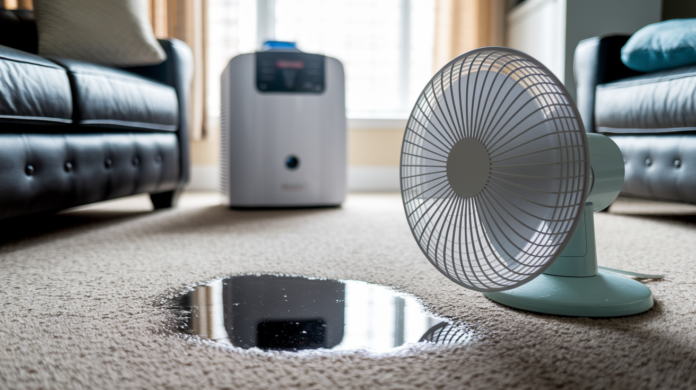
That musty smell hitting you when you walk into a room with wet carpet isn’t just unpleasant. It’s the earliest warning sign that mold is already growing in the fibers and padding underneath. You’ve got 24 to 48 hours from the moment carpet gets soaked until mold colonies establish and spread through the whole installation. The five steps below walk you through stopping the source, pulling out moisture, and treating odor in the order that actually works, so you can save the carpet instead of ripping it out.
Complete Guide to Treating Wet Carpet With Musty Odor
You’ve got 24 to 48 hours before mold starts growing in wet carpet. Once it takes hold in the fibers and padding, it spreads fast through wall to wall installations and creates health risks along with permanent damage. Acting within the first day prevents that cycle from starting and keeps a fixable moisture problem from turning into a full carpet replacement job.
Following the right sequence matters as much as speed. If you seal moisture into carpet padding with cleaning solutions too early, or close up a damp room without proper airflow, you create conditions that trap the problem instead of solving it. The steps below walk through the complete treatment process from the moment you find wet carpet through final deodorizing, in the order you’d actually do the work.
Complete Treatment Sequence:
-
Identify and stop the moisture source immediately. Find the leaking pipe, overflowing drain, roof leak, or condensation source. Shut off water supply if it’s plumbing, fix the break or seal the entry point. Don’t start drying until the source stops adding water.
-
Blot excess water with absorbent towels in the first hour or two. Press towels firmly into carpet and stand on them to pull water up. Work from the outer edges toward the center of the wet area to prevent spreading. Replace towels as they saturate.
-
Extract standing water using a wet vac within 24 hours. Make multiple slow passes over the same area. Go over each section three to five times, emptying the tank as it fills. Wet vac pulls water the towels can’t reach.
-
Position floor fans or industrial fans pointed directly at the wet carpet. Aim them at a slight downward angle so air moves across the surface. Use at least one fan for every 10 feet of wet carpet. Keep them running continuously for 24 to 48 hours minimum.
-
Place a dehumidifier in the affected room and set it to the lowest humidity setting, usually 30 to 40%. Position it centrally in the room. Empty the collection bucket every few hours or set up continuous drainage if the unit allows it.
-
Open windows for cross ventilation if weather permits. Outside air should be drier than inside air for this to help. Run this for several hours minimum, longer if humidity outside stays low. Close windows at night if outdoor humidity rises.
-
Monitor drying progress by checking carpet and padding moisture levels. Press firmly on the carpet. If water comes up or it feels cold and damp, it’s not dry. If you have a moisture meter, readings should drop below 15% before you stop drying. Check padding by lifting a corner if possible.
-
Continue fan and dehumidifier operation for 24 to 72 hours depending on saturation level. Light surface wetting might dry in 24 hours. Padding saturation or thick carpet in humid conditions takes closer to 72 hours. Don’t rush this.
-
Confirm carpet is 100% dry before moving to the cleaning phase. Carpet and padding should feel room temperature and completely dry to the touch. No moisture should appear when you press hard on the surface.
-
Vacuum thoroughly once completely dry to remove debris, dirt, and any loose material brought up during the drying process. Use a standard vacuum, not the wet vac. Go over the area twice.
Keep room temperature above 60°F during drying. Warmer air holds more moisture and speeds evaporation. If you have central air or additional heating, use it. Fastest drying happens with warm air, low humidity, and strong airflow working together. This timeline assumes you started within a few hours of the water event and you’re dealing with moderate saturation, not flooding. Heavy water damage or delayed response pushes drying into the 72 hour range or beyond.
This drying process must finish before you apply any cleaning solutions. Vinegar, baking soda, and peroxide treatments only work on dry or slightly damp carpet, never on soaked material. Applying them too early traps moisture and creates worse conditions for mold growth.
For more on controlling moisture during drying, see our guide on the best dehumidifiers for basements.
Why Your Wet Carpet Develops That Musty Smell
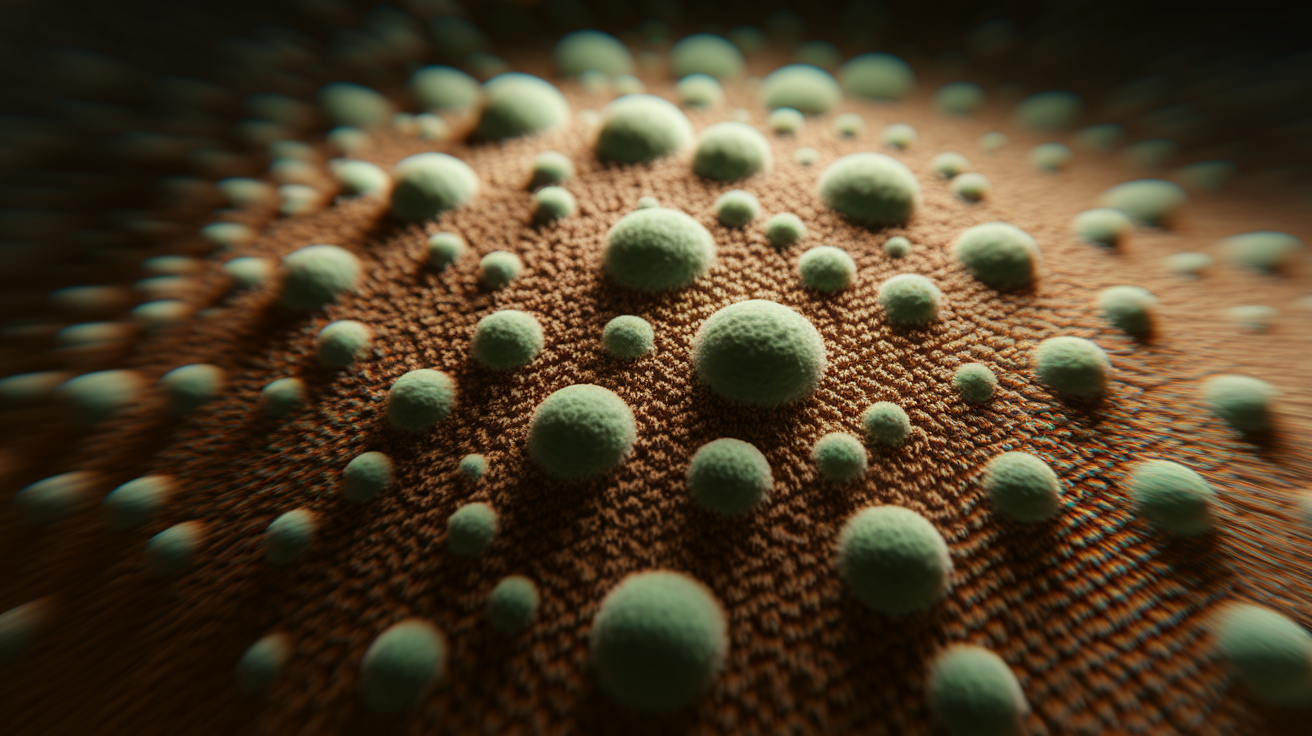
Dampness creates perfect conditions for mold and mildew to grow in carpet fibers and the padding underneath. Carpet and padding act like a sponge. Once moisture gets in, it spreads horizontally through the material and sits there until something pulls it out. Mold spores are always present in indoor air. When they land on damp carpet, they start growing within 24 to 48 hours. That musty smell is the off gassing from mold colonies as they establish and spread.
Common moisture sources include basement carpets exposed to high humidity or groundwater seepage, leaking supply pipes under sinks or behind walls, flooding from storms or appliance failures, and condensation in rooms with poor ventilation. Even small chronic leaks, like a slow drip from a refrigerator water line, can saturate padding over time without obvious surface signs.
Carpet padding traps moisture beneath the visible surface. Padding sits against the subfloor and stays wet longer than the carpet face. Mildew is an early stage of mold. It starts as that musty smell before you see discoloration. Wall to wall carpeting allows mold to spread very quickly once it establishes because moisture and spores move freely through connected fibers and padding.
Most common underlying causes of wet carpet conditions:
- Flooding events from storms, burst pipes, or appliance malfunctions (washing machine hoses, water heaters, dishwashers)
- Pipe leaks from supply lines, drain lines, or toilet wax rings
- Pet urine that soaks into padding and creates bacterial growth along with odor
- Condensation from high indoor humidity, poor ventilation, or cold concrete floors in summer
- Inadequate ventilation in basements, bathrooms, or laundry rooms that allows moisture buildup over time
Health Risks From Musty Carpet Odor and Mold Exposure

Mold produces mycotoxins, which are toxic compounds released as mold digests organic material. When you smell that musty odor, you’re breathing in mold spores and mycotoxins. Exposure causes runny nose, throat irritation, red watery eyes, skin rash, increased asthma attacks, and chronic nasal or sinus infections. Longer exposure or higher concentrations lead to more serious effects, including damage to organs and the development of mold allergies, especially in children who are exposed repeatedly during development.
People with mold allergies, pregnant women, asthma sufferers, those with compromised immune systems, and anyone with existing respiratory conditions shouldn’t be in the room during cleanup and should avoid exposure entirely until the problem is resolved. Four common indoor mold types are Alternaria, Aspergillus, Cladosporium, and Penicillium. These grow on damp building materials and fabrics and cause most of the respiratory symptoms and allergic reactions people experience.
Stachybotrys chartarum, known as toxic black mold, is greenish black and develops after heavy water damage when materials stay wet for days. It produces stronger mycotoxins than common mold types. If you see black or dark green patches on carpet, padding, or walls, stop work immediately. Don’t disturb it. Toxic mold requires professional remediation because disturbing it releases high concentrations of spores into the air and spreads contamination throughout the home. Wear an N95 or N99 respirator mask, waterproof gloves, and eye protection if you’re handling any carpet with visible mold or strong odor, even if it’s not black mold. If you have any health vulnerabilities or the affected area is larger than 10 square feet, call a mold remediation specialist instead of doing it yourself.
DIY Carpet Cleaning Solutions for Musty Odor Elimination

Cost effective DIY solutions use common household items and work well for treating odor after the carpet dries completely. Vinegar, baking soda, and hydrogen peroxide kill mold spores, neutralize odors, and refresh carpet without harsh chemicals or high cost. Only apply these solutions after you’ve finished the drying process described earlier. Treating damp or wet carpet makes the problem worse by adding more moisture.
White Vinegar Spray Treatment
Mix one cup of white vinegar with two cups of warm water in a spray bottle. Mist the carpet lightly. Don’t saturate it. You want to dampen the surface, not soak through to the padding again. Vinegar kills mold spores and neutralizes odors. Work in sections and keep the application light. Let the treated area dry completely before walking on it or applying other treatments. Drying takes 6 to 12 hours depending on airflow and humidity. Run a fan or open windows to speed it up.
Baking Soda Absorption Method
Sprinkle baking soda evenly over the entire treated area once the vinegar spray dries. Use enough to create a visible light layer across the carpet. Let it sit for a minimum of two hours. For stronger odors, leave it overnight. Baking soda absorbs leftover moisture and odor molecules. Vacuum thoroughly after the contact time. Go over the area multiple times to pull up all the powder. If odor remains, repeat the treatment.
Hydrogen Peroxide Disinfectant
Mix one part 3% hydrogen peroxide with five parts water in a spray bottle. Spray the carpet using the same light misting technique as the vinegar treatment. Hydrogen peroxide kills mold spores on contact and breaks down organic odor sources. Let it dry completely, which takes the same 6 to 12 hours as vinegar. Don’t mix hydrogen peroxide with vinegar or apply them at the same time. Use one or the other, or apply them on separate days.
Place bowls of white vinegar or activated charcoal around the room for a couple of days to pull ambient odor from the air. Swap them out daily. Open containers of clean cat litter or baking soda throughout the room also absorb foul odors. Change them every day or two until the smell is gone.
When to Lift Carpet and Inspect Padding for Hidden Damage

If the musty smell persists after surface cleaning, or if you hear squelching sounds when walking on the carpet, or if you see visible discoloration or dark spots, you need to lift the carpet and check what’s happening underneath. Mold grows in unseen places, especially on carpet padding and the subfloor. Wall to wall carpeting makes it easy for mold to spread because everything is connected. You won’t know the extent of the problem until you look under the surface.
Lift the carpet at a corner or along an edge where it meets the wall. Carpet installers usually leave a little slack near walls, so you can pull it up without damaging it. Peel back enough to inspect the padding and subfloor beneath. Use a flashlight. Look for wet padding, visible mold growth (fuzzy patches, discoloration in green, black, white, or orange), musty odor that gets stronger when you lift the carpet, and any soft or dark spots on the subfloor.
If the padding is slightly damp but has no odor or discoloration, you caught it early. You can dry it with fans and a dehumidifier pointed at the exposed padding. If the padding is saturated but shows no mold, pull it up, dry it separately or replace it, then dry the subfloor before reinstalling. If you see visible mold spots on the padding, that padding must be replaced. It can’t be cleaned effectively. If contamination is widespread across large sections or the subfloor shows mold or rot, stop and call a mold remediation specialist. Don’t pull up heavily contaminated carpet yourself. Disturbing it spreads spores throughout the home.
| Padding Condition | Action Required |
|---|---|
| Slightly damp, no odor or discoloration | Lift carpet, dry padding in place with fans and dehumidifier for 24 to 48 hours, monitor moisture levels |
| Saturated but no visible mold | Remove padding, dry subfloor completely, install new padding or dry original padding outdoors before reinstalling |
| Visible mold spots or discoloration | Replace padding immediately, inspect and treat subfloor for mold, consider professional help if area exceeds a few square feet |
| Widespread contamination or black mold | Stop work, call mold remediation specialist, don’t disturb contaminated material |
Professional Carpet Cleaning Methods for Severe Musty Odor

Hot water extraction, commonly called steam cleaning, uses professional grade equipment to inject hot water and cleaning solution deep into carpet fibers, then immediately extract it along with dirt, mold spores, and odor causing bacteria. The process kills spores with heat and removes moisture effectively when done correctly. Professional equipment pulls more water out than a rental machine, which reduces drying time and prevents moisture from staying in the padding. Steam cleaning refreshes carpet and removes embedded contamination that surface treatments can’t reach.
Antimicrobial treatments applied after steam cleaning prevent mold from returning. These are sprayed onto the carpet and padding after cleaning and left to dry. They create a protective barrier that inhibits mold growth even if minor moisture returns. Professionals use these on carpets that have had repeated moisture problems or in high risk areas like basements.
Rental equipment, including wet vacs and commercial dehumidifiers, offers a middle option between DIY household methods and hiring a full service company. Rental wet vacs have stronger suction than home shop vacs and pull more water out during initial extraction. Renting costs $40 to $60 per day. Commercial dehumidifiers remove moisture faster than residential units and cost $30 to $50 per day. If you’re handling moderate water damage and caught it within the first 24 hours, rental equipment combined with the DIY cleaning solutions covered earlier can work. For larger areas or heavier saturation, professional extraction and antimicrobial treatment is safer and more effective.
When professional help is necessary:
- Toxic black mold (Stachybotrys chartarum) is present, that’s greenish black growth that developed after prolonged water exposure
- Carpet area affected exceeds 10 square feet
- Musty odor returns repeatedly after DIY cleaning attempts
- You see or suspect structural damage to subfloor, joists, or walls
- Insurance requires professional assessment and documentation for your claim
Commercial Products and Odor Neutralizers for Wet Carpet

Enzyme cleaners break down organic matter at a molecular level. They work on odors from pet urine, bacterial growth, and biological contamination. Enzymes digest the proteins and acids that cause smell, rather than just masking it. Apply enzyme cleaners to dry or slightly damp carpet, following product instructions for contact time, then blot or vacuum after treatment. These work well when the odor source is organic rather than mold based.
Activated charcoal bags and air purifiers with HEPA filtration control ongoing odor and remove airborne mold spores during and after treatment. Place activated charcoal bags on the floor near the affected area and replace them every 30 to 60 days. HEPA air purifiers capture spores and prevent them from spreading to other rooms. Run the purifier continuously during drying and treatment, and for a few days after to clear remaining particles from the air.
| Product Type | Best Used For | Application Method |
|---|---|---|
| Enzyme cleaners | Organic odors from pet urine, bacterial contamination, biological sources | Spray on dry carpet, allow 10 to 15 minute contact time, blot with towel or vacuum after drying |
| Antimicrobial sprays | Mold prevention after cleaning, high risk areas prone to moisture | Spray evenly over carpet after cleaning and drying, let air dry completely |
| Commercial deodorizers | Immediate odor masking, post treatment freshening | Light mist application, don’t oversaturate, ventilate room during use |
| Activated charcoal bags | Passive odor absorption, ongoing air quality maintenance | Place on floor or near affected area, replace every 30 to 60 days |
| Carpet shampoo (for machines) | Deep cleaning with rental or owned carpet cleaner after water extraction | Use in carpet cleaning machine per product instructions, extract thoroughly |
How Long Does It Take to Remove Musty Smell From Wet Carpet

For minor water damage caught within the first few hours, total treatment time runs 24 to 48 hours. That includes water extraction, drying with fans and dehumidifier, and applying a vinegar or baking soda treatment. The carpet needs to dry completely before you treat it, which takes most of that time. Once dry, cleaning treatments add a few hours for application and drying.
Heavy saturation, poor ventilation, high indoor humidity, or involvement of carpet padding extends the timeline significantly. If padding is wet, drying takes 48 to 72 hours minimum because padding holds moisture longer than carpet fibers. Thick or dense carpet in a humid basement with limited airflow can take three to four days to dry completely. If you have to lift carpet and remove padding, add another day or two for subfloor drying and new padding installation before you put the carpet back down.
Severe cases requiring professional help stretch the timeline to three to seven days. Mold remediation, padding replacement, and antimicrobial treatment take longer. If subfloor damage exists and needs repair, that adds more time. The critical 24 to 48 hour window before mold establishes is about preventing the problem from getting worse. If you miss that window and mold starts growing, the work shifts from drying and cleaning to removal and remediation, which is a much longer and more expensive process. Start fast, even if you can only blot water and set up fans in the first few hours. That action buys you time and keeps the damage from spreading while you figure out the full scope of the problem.
Preventing Future Musty Odors in Carpeted Areas
Fix leaking pipes, roof leaks, and appliance water lines immediately. A slow drip might seem minor, but it saturates padding over days or weeks and creates mold before you notice it. Running a bathroom exhaust fan during and after showers, and keeping shower doors or curtains open to dry, reduces moisture buildup. Install exhaust fans in kitchens and laundry rooms if you don’t have them. Vent them to the outside, not into an attic or crawlspace.
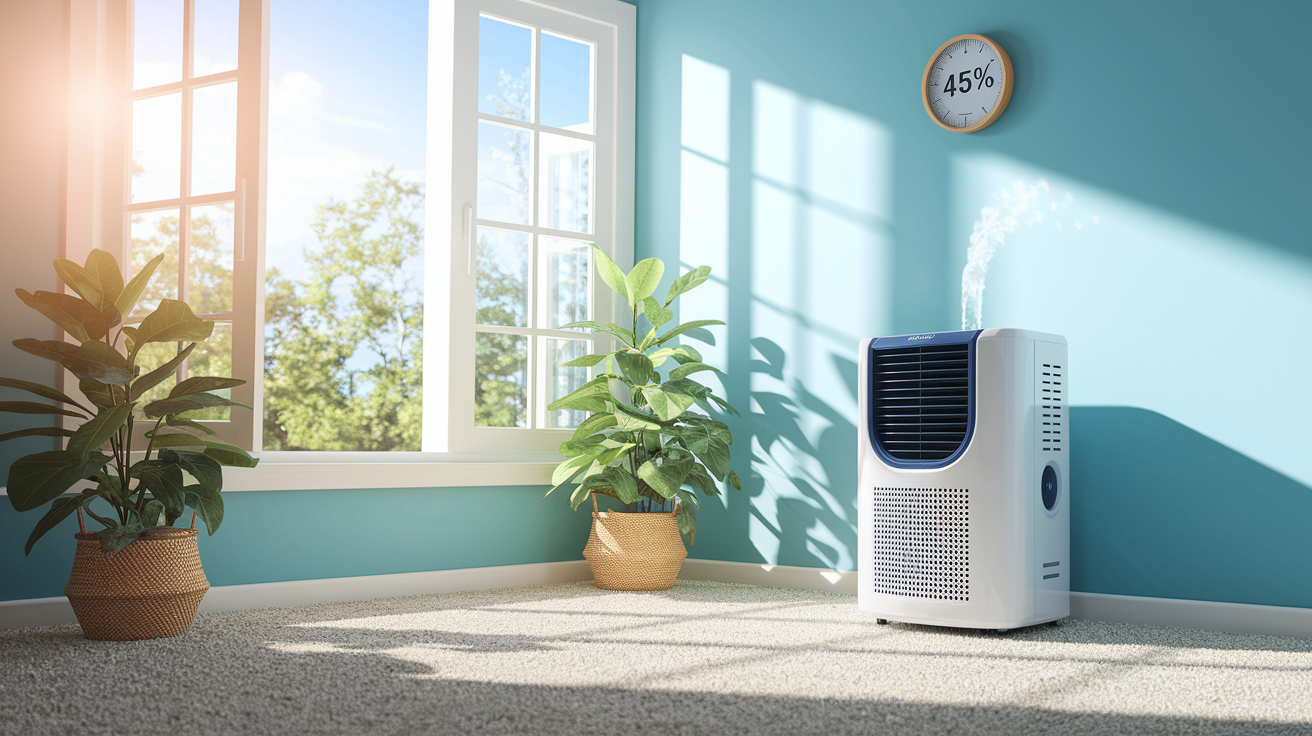
Indoor humidity should stay between 30% and 50%. Use a hygrometer to monitor levels. If you see condensation on windows, walls, or hard surfaces, humidity is too high and mold risk increases. Run your air conditioner or a dehumidifier during hot, humid weather. In basements, run a dehumidifier year round if the space tends to stay damp. Reduce humidifier use if moisture appears on surfaces.
Prevention steps to avoid recurring moisture and odor:
- Fix leaking pipes, appliances, or roof penetrations immediately, before water reaches carpet
- Install exhaust fans in bathrooms, kitchens, and laundry rooms, vented to the outside
- Use a dehumidifier in basements or other high humidity areas, empty it daily or run continuous drainage
- Make sure crawlspace ventilation is adequate and cover dirt floors with 6 mil plastic vapor barriers
- Apply vapor barriers and proper subflooring when installing carpet over concrete slabs
- Vacuum carpets weekly to remove dirt and organic material that mold feeds on
- Address spills within minutes by blotting with towels and drying the area with a fan
- Inspect carpets after heavy rains, flooding, or plumbing incidents, even if no water is visible on the surface
Cost Breakdown for Musty Carpet Treatment and Replacement

DIY treatment using household products costs $10 to $30 total. White vinegar, baking soda, and hydrogen peroxide are inexpensive. A spray bottle, towels, and a standard household vacuum are usually already on hand. If you rent a wet vac, add $40 to $60 per day. A dehumidifier rental costs $30 to $50 per day. Most people need the wet vac for one day and the dehumidifier for two to three days, so rental costs run $100 to $200 for equipment on top of cleaning supplies.
Professional carpet steam cleaning typically costs $100 to $300 depending on room size, carpet condition, and whether antimicrobial treatment is included. Padding replacement runs $1 to $3 per square foot for material and labor. Full carpet replacement costs $3 to $12 per square foot installed, depending on carpet quality. Mold remediation by a licensed specialist costs $500 to $3,000 or more depending on contamination extent, square footage affected, and structural work required.
| Treatment Option | Typical Cost Range | Best For |
|---|---|---|
| DIY cleaning supplies (vinegar, baking soda, peroxide) | $10 to $30 | Minor surface odor, caught early, no visible mold |
| Wet vac and dehumidifier rental | $100 to $200 (multi day rental) | Moderate saturation, DIY water extraction, faster drying |
| Professional steam cleaning | $100 to $300 | Persistent odor, deep contamination, no structural damage |
| Padding replacement | $1 to $3 per square foot | Saturated padding, visible mold on padding, padding can’t be dried |
| Full carpet replacement | $3 to $12 per square foot installed | Widespread mold, carpet over 10 years old, contamination beyond cleaning |
| Mold remediation specialist | $500 to $3,000 or more | Toxic black mold, area over 10 sq ft, structural damage, health risk |
Safety Precautions When Handling Wet, Musty Carpet
Protect yourself before you start any cleanup work. Mold spores and bacteria in wet carpet become airborne when you move, lift, or vacuum the material. Without protection, you’re breathing contaminated air and exposing your skin to allergens and toxins.
Required safety items and practices:
- Wear an N95 or N99 respirator mask rated for mold spores, not a dust mask or surgical mask
- Use waterproof gloves, not fabric or latex gloves, to prevent skin contact with contaminated water
- Wear safety glasses or goggles to protect eyes from splashes and airborne particles
- Ventilate the work area by opening windows and running exhaust fans to the outside
- Never mix cleaning chemicals. Bleach and vinegar create toxic chlorine gas, peroxide and vinegar reduce effectiveness
- Remove vulnerable individuals (children, pregnant women, elderly, those with asthma or immune conditions) from the home during treatment
Wet carpet near electrical outlets or power strips creates shock and electrocution risks. Shut off power at the breaker to any room with standing water or soaked carpet near outlets before you start work. Don’t plug in fans, dehumidifiers, or wet vacs until the outlet area is confirmed dry and power is safely restored. Use extension cords and equipment plugged into dry areas of the house, and run cords along walls or ceilings, never across wet floor.
Stop work and call a professional if you see toxic black mold (greenish black growth), if structural components like subfloor or joists feel soft or show rot, or if the water came from a sewage backup or contaminated source. Black water contamination (sewage, flood water with chemicals or waste) requires hazmat level cleanup. Don’t attempt it yourself. Evacuate the area and contact a mold remediation or disaster restoration company immediately.
When to Replace Carpet Instead of Cleaning Wet, Musty Areas
Carpet reaches the point of no return after 72 hours of saturation or when visible mold spreads across large sections. Once mold establishes deep in carpet fibers and padding, cleaning can’t remove all the spores and contamination. Wall to wall carpeting allows mold to spread quickly because moisture and spores move freely through connected material. If contamination covers more than a few square feet, replacement is safer and more effective than attempting to clean and salvage it.
Contamination level matters as much as time. Clean water from supply line leaks can be dried and treated if you act within 48 hours. Greywater from washing machine discharge, dishwasher overflow, or toilet bowl water (no feces) carries bacteria and requires more aggressive cleaning. Blackwater from sewage backups, flooding with chemicals or waste, or toilet overflows with feces contaminates carpet beyond salvage. Don’t try to clean carpet exposed to blackwater. It must be removed and replaced.
Cost benefit analysis comes into play with older carpets. If the carpet is over 10 years old and suffers moderate to heavy water damage, replacement often costs less than extensive professional cleaning, padding replacement, and the risk of recurring odor or mold. Spending $200 to $400 on deep cleaning and treatment for a worn carpet that might last another year or two doesn’t make sense compared to replacing it with new material that lasts 10 to 15 years.
Clear signs replacement is necessary:
- Widespread mold coverage across multiple sections or rooms
- Sewage or blackwater exposure from any source
- Carpet age over 10 years combined with heavy water damage
- Padding that can’t be separated from carpet or dried independently
- Delamination (backing separates from fibers) or deterioration of carpet backing after prolonged saturation
Insurance Claims and Documentation for Water Damaged Carpet
Take photos and videos of the damage immediately, before you start any cleanup. Document the water source, the extent of the wet area, visible damage to carpet and walls, and any belongings affected. Insurance adjusters need this to validate your claim. Time stamped images from your phone work. Take wide shots showing the whole room and close ups of specific damage.
Insurance typically covers sudden and accidental water damage, like a burst pipe or appliance malfunction. Gradual leaks, poor maintenance, or flooding without separate flood insurance are usually excluded. Read your policy or call your agent within 24 to 48 hours to report the damage and confirm what’s covered. Don’t delay reporting because you’re trying to fix it yourself first. Late reporting can result in claim denial.
Document all your cleaning attempts and expenses. Save receipts for cleaning supplies, equipment rental, and professional services. Take photos before and after each treatment phase. If you hire a carpet cleaning company or mold remediation specialist, keep their invoices and any written reports they provide. Insurance may reimburse you for necessary emergency mitigation, even if the final claim is denied, but only if you have documentation.
Contact your insurance company before making major decisions like carpet replacement or structural repairs. Some policies require pre approval or a professional assessment from an adjuster or approved contractor before they’ll cover costs. If you replace the carpet before the adjuster inspects the damage, you might lose coverage for that expense. Ask what documentation they need, whether they require estimates from contractors, and how quickly they can send an adjuster. In the meantime, stabilize the situation by stopping the water source, extracting standing water, and starting the drying process. Those actions prevent further damage and show the insurance company you acted responsibly to reduce loss.
Final Words
If your wet carpet smells musty, what to do comes down to speed and the right sequence. Shut off the moisture source, pull out standing water fast, and run fans plus a dehumidifier for at least 24 hours before you apply any cleaning solution.
Once the carpet is bone dry, vinegar or baking soda treatments handle most odors if you caught it early.
But if the padding is soaked, the smell keeps coming back, or you see visible mold, lifting the carpet and checking what’s underneath isn’t optional anymore. Some damage can’t be cleaned away, and trying just traps moisture deeper.
You can handle a lot of this yourself if you move quickly and follow the steps in order.
FAQ
How do you get rid of musty smell from wet carpet?
You get rid of musty smell from wet carpet by first extracting all standing water with a wet vac, then running fans and a dehumidifier for 24-72 hours until completely dry. After drying, apply white vinegar solution (1 cup vinegar to 2 cups water) or sprinkle baking soda, letting it sit 2 hours to overnight before vacuuming thoroughly.
How quickly can mold grow under wet carpet?
Mold can grow under wet carpet within 24 to 48 hours after a water damage event. This critical window means you need to start extraction and drying immediately to prevent spore formation in carpet fibers and padding where moisture gets trapped beneath the surface.
Can I leave vinegar on carpet overnight?
You should not leave liquid vinegar on carpet overnight because oversaturation can damage fibers and padding. Mist vinegar solution lightly on dry carpet and allow 6-12 hours to air dry completely. For overnight odor treatment, place bowls of white vinegar around the room instead of applying directly to carpet.
What neutralizes mildew smell in carpet?
Baking soda neutralizes mildew smell in carpet by absorbing odors when sprinkled directly on dry carpet and left for 2 hours to overnight before vacuuming. White vinegar solution (1 cup vinegar to 2 cups warm water) also neutralizes odors by killing mold spores when misted lightly and allowed to dry completely.
When should I lift carpet to check for hidden mold damage?
You should lift carpet to check for hidden damage when persistent musty smell continues after surface cleaning, when you notice visible discoloration or squelching sounds when walking, or after any water event lasting more than 24 hours. Check edges and corners for wet padding, subfloor moisture, or mold growth underneath.
How long does it take to remove musty smell from wet carpet?
It takes 24-48 hours to remove musty smell from minor water damage if you start extraction and drying immediately. Heavy saturation, poor ventilation, or padding involvement extends treatment time to 3-7 days. The entire process depends on acting within the critical 24-48 hour window before mold establishes.
When do I need to replace carpet padding instead of drying it?
You need to replace carpet padding when you find visible mold spots, widespread contamination, or saturation that lasted more than 72 hours. Padding that stays wet, shows discoloration, or smells musty after complete drying attempts cannot be saved and must be removed to prevent recurring odor and health risks.
What are the health risks from breathing musty carpet odor?
The health risks from breathing musty carpet odor include respiratory issues, throat irritation, red eyes, skin rash, increased asthma attacks, and chronic nasal infections. Children, elderly, pregnant women, and immunocompromised individuals face higher risk. Toxic black mold (Stachybotrys chartarum) produces mycotoxins causing serious organ damage and chronic illness.
When should I call professionals instead of cleaning carpet myself?
You should call professionals when you find toxic black mold, when wet carpet area exceeds 10 square feet, when musty odor persists after DIY attempts, or when you need insurance documentation. Sewage contamination, structural damage concerns, or situations requiring vulnerable household members to evacuate also require professional remediation specialists.
How do I prevent musty odors from returning to carpet?
You prevent musty odors from returning to carpet by fixing leaking pipes immediately, maintaining indoor humidity at 30-50% with dehumidifiers, installing exhaust fans in bathrooms and kitchens, and addressing spills within minutes. Regular vacuuming, proper crawlspace ventilation, and vapor barriers on concrete floors stop moisture before it creates problems.
How much does professional carpet cleaning cost versus DIY treatment?
Professional carpet cleaning costs $100-300+ for steam cleaning and antimicrobial treatment, while DIY treatment using household vinegar and baking soda costs $10-30. Wet vac rental runs $40-60 per day, dehumidifier rental $30-50 per day. Full mold remediation by specialists can exceed $1,000 depending on contamination extent.
When should I replace carpet instead of attempting to clean it?
You should replace carpet instead of cleaning when widespread mold coverage appears, after sewage or blackwater exposure, when carpet age exceeds 10 years with significant damage, or when backing shows delamination or deterioration. Saturation lasting beyond 72 hours or padding that cannot be separated and dried also requires full replacement.
What safety gear do I need when handling wet, musty carpet?
You need N95 or N99 respirator mask, waterproof gloves, and eye protection when handling wet, musty carpet. Work in well-ventilated areas, never mix cleaning chemicals, and keep vulnerable individuals (pregnant women, asthma sufferers, immunocompromised people) away from the work area during treatment and for 24 hours after.