

The mattress you’re sleeping on tonight might be harboring invisible sewage contamination if it touched floodwater, even if it looks and smells fine. Most homeowners make dangerous mistakes about what can be cleaned versus what needs immediate disposal after flooding. Some items trap bacteria and toxins so deep inside their materials that no amount of surface cleaning makes them safe again. This guide walks you through the specific items that must be thrown out to protect your family’s health, which building materials can’t be saved, and the few things worth the effort to properly sanitize and keep.
Items Requiring Immediate Disposal After Flood Damage
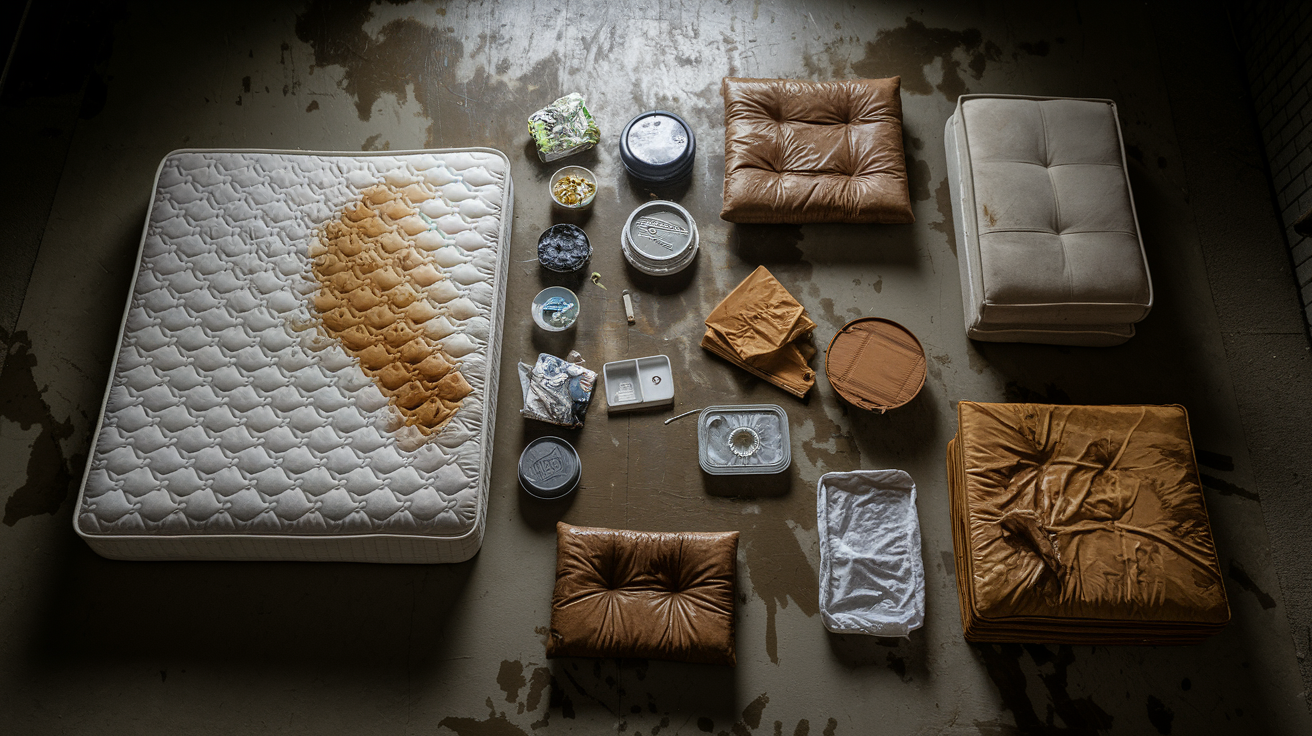
You need to throw out certain flood-damaged items right away for health safety.
| Item Category | Must Discard | Reasons |
|---|---|---|
| Food and Beverages | All items contacted by floodwater | Bacterial contamination, invisible container breaches |
| Medicines and Cosmetics | All exposed items | Sterility compromised, chemical contamination |
| Mattresses and Box Springs | Always discard | Cannot be properly disinfected, pathogen absorption |
| Upholstered Furniture | All flood-exposed pieces | Internal foam and padding harbor bacteria |
| Particle Board Furniture | Always discard | Swells, weakens, cannot dry properly |
| Drywall and Insulation | 12+ inches above water line | Wicks moisture upward, mold breeding ground |
| Carpeting and Padding | All flooded areas | Absorbs contaminants, impossible to fully clean |
| Children’s Soft Toys | All porous toys | Mouthing hazards, cannot sanitize internal materials |
| Bedding and Pillows | All flood-contacted items | Internal fill retains contamination |
| Personal Care Items | Toothbrushes, razors, sponges | Direct contact with skin and mucous membranes |
Natural floodwater automatically gets classified as category 3 water, the most dangerous contamination level. This water contains sewage, agricultural runoff, chemicals, and disease-causing pathogens that penetrate deep into porous materials where disinfectants can’t reach. The microscopic structure of fabrics, foams, particle board, and similar materials creates thousands of tiny spaces that trap contaminated water. Even if the surface looks dry and clean, bacteria and toxins stay embedded throughout the internal structure. These hidden contaminants keep posing health risks long after the visible water disappears.
Food Safety and Perishables After Flood Damage

Floodwater gets into food containers through microscopic openings you can’t see with your naked eye, making visual inspection unreliable for safety decisions. Factory seals, screw-top lids, and crimped edges create barriers against normal handling but weren’t designed to resist prolonged water immersion containing sewage and chemicals. The threads on bottle caps, the rim seals on jars, and the seams on cardboard packaging all provide pathways for contaminated water molecules to migrate inward. What looks perfectly intact has likely been compromised at levels you can’t see.
| Item Type | Discard or Keep | Professional Assessment Needed |
|---|---|---|
| Refrigerated Foods | Discard all items | No |
| Frozen Foods | Discard all items | No |
| Commercial Canned Goods (no damage) | May keep after sanitizing | Yes, if unsure about procedure |
| Swollen, Dented, or Rusted Cans | Discard immediately | No |
| Home-Canned Goods | Always discard | No |
| Sealed Factory Bottles | Discard all items | No |
| Medications and Vitamins | Discard all exposed items | Pharmacist consultation for expensive prescriptions |
| Cosmetics and Toiletries | Discard all items | No |
Undamaged commercial metal cans without dents, rust, or swelling that contacted clean category 1 water might be salvageable using strict sanitizing protocols. Remove the labels, wash thoroughly with soap and hot water, then disinfect in a bleach solution of 1 cup bleach to 5 gallons water for at least 10 minutes. Let the cans air dry completely, then relabel them with permanent marker showing contents and original date. Home-canned goods can’t be saved under any circumstances because the sealing process and jar construction weren’t designed for submersion in contaminated water. The combination of older sealing technology and unknown contamination pathways makes the risk too high.
Commercial kitchens, restaurants, and food service operations need professional assessment for inventory loss documentation and health department compliance. Licensed food safety inspectors can provide written evaluations necessary for insurance claims and may identify salvageable commercial equipment that needs professional sanitizing. The financial stakes in commercial settings often justify the cost of expert evaluation, especially for walk-in refrigeration units, commercial ovens, and large-scale dry goods storage that represents significant investment. If you operate a food business, contact your local health department within 24 hours of flooding for specific guidance before disposing of inventory.
Porous Building Materials and Water Damage Disposal

Professional restoration teams use moisture meters to measure water content in building materials, and readings above 15% mean disposal becomes necessary. Wood normally maintains 6-12% moisture content depending on local climate, while drywall should read under 1%. When flooding saturates these materials beyond their structural capacity, they lose integrity and become incubators for microbial growth. The moisture meter provides objective data that removes guesswork from the decision. Thermal imaging cameras reveal hidden saturation patterns behind walls and under flooring where moisture has migrated beyond visible water lines. These tools show exactly where water has traveled through capillary action, wicking upward through drywall and sideways through insulation. The standard 12-inch removal height above visible water marks exists because drywall paper facing acts like a sponge, pulling moisture vertically as much as two feet beyond where the water actually stood.
Water contamination category determines disposal requirements regardless of how quickly you start drying. Category 1 water from a burst supply line contains minimal contamination initially, and if you extract the water and begin professional drying within hours, some building materials might be saved. But that narrow window closes fast as standing water picks up contaminants from everything it touches. Category 3 water from flooding or sewage backup requires complete removal of all affected porous materials no matter how quickly you respond. The pathogens and toxins in this water penetrate materials instantly upon contact. You can’t dry your way out of contamination, and keeping sewage-exposed drywall or insulation creates serious health hazards that worsen over time as bacterial colonies multiply inside your walls.
Subfloor material and construction directly impact carpet salvageability decisions. Concrete slab floors resist water damage better than wood subfloors because concrete eventually dries without losing structural integrity. If clean category 1 water flooded over concrete and you remove the carpet and padding within 24 hours, professional cleaning and disinfection might save the carpet itself. But the padding underneath almost always needs disposal because its foam structure absorbs water throughout and can’t be adequately cleaned. Wood subfloors present different challenges because moisture causes swelling, warping, and potential rot. If moisture readings in wood subfloor exceed 15%, both the carpet and padding must go while the subfloor itself needs evaluation for replacement. Laminate and engineered wood flooring over any subfloor type can’t survive flooding because water enters through seams and causes the core materials to swell and delaminate.
Determining what stays and what goes often needs professional consultation beyond simple moisture readings. Structural engineers must assess load-bearing walls when flooding affects multiple levels or when water exposure exceeded 48 hours, because wood framing loses strength as it absorbs moisture and begins decomposing. Homes built before 1980 may contain asbestos in drywall joint compound, ceiling texture, or insulation, requiring licensed testing and certified abatement contractors. Breaking into walls or removing materials without asbestos testing in older homes creates dangerous airborne fiber exposure. Licensed contractors can open wall cavities safely to inspect the full extent of damage that moisture meters and thermal imaging suggest but can’t definitively diagnose. What appears to be localized damage on the surface often extends horizontally through wall cavities and floor joist spaces. Professional inspection determines the true scope before you start removing materials, preventing situations where partial tearout reveals problems requiring complete demolition.
Furniture and Upholstered Items Assessment After Flooding
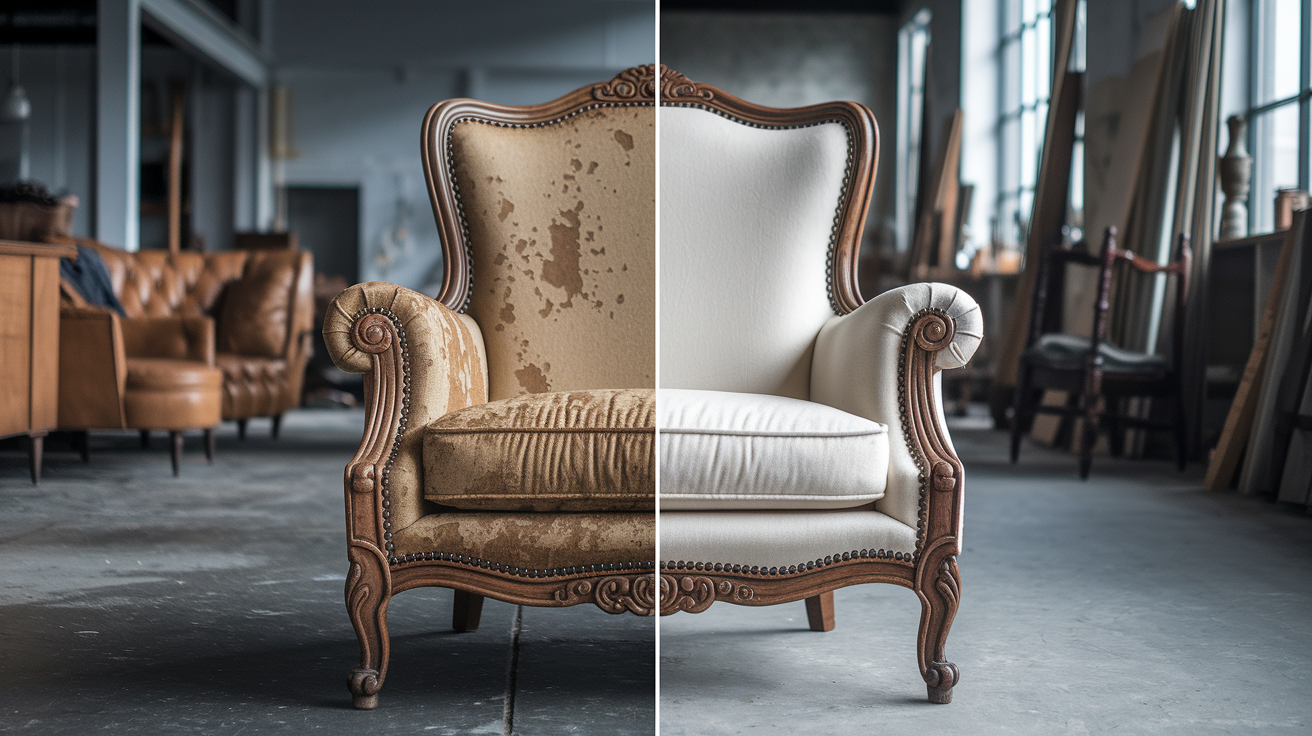
Quality hardwood furniture frames can often be saved even when the upholstery must be discarded. A solid wood couch or chair frame built with mortise-and-tenon joinery and kiln-dried hardwood represents substantial value that professional restoration can preserve. The contaminated fabric, foam cushioning, and padding get stripped off completely, the wooden frame receives antimicrobial treatment and thorough drying, then new upholstery gets professionally installed. This option makes sense for high-quality furniture pieces, antiques, or custom-built items where frame replacement would cost more than restoration.
Contamination category matters more than material type for salvageability decisions. Leather furniture exposed to clean category 1 water can sometimes be saved with immediate action and professional cleaning, while the same leather piece in sewage water must be discarded. The dense structure of quality leather resists water penetration better than fabric, but the cushioning underneath still absorbs contamination. Even when leather surfaces clean up well, what lies beneath determines safety.
Furniture assessment scenarios need careful evaluation. Leather furniture in category 1 water with removable cushions may be salvageable if the leather surface gets professional cleaning and disinfection while cushions get replaced entirely. Antique solid wood pieces justify professional restoration consultation regardless of contamination level because historical value and replacement cost often exceed several thousand dollars for specialist services. Particle board items always need disposal because the compressed wood chips swell when wet, lose all structural strength, and can’t be dried back to original dimensions or stability. Metal frames and filing cabinets need rust assessment but can usually be salvaged with proper cleaning, rust treatment, and repainting if the water was category 1 or 2. Outdoor furniture made from resin wicker or plastic can typically be disinfected and saved while natural wicker and wood pieces follow standard porous material disposal rules. Office furniture with fabric panels and ergonomic foam padding needs disposal unless the manufacturer confirms the specific model has removable, replaceable components. Modular furniture systems with separate frame and cushion components may allow frame salvage while disposing of all soft goods.
Professional furniture restoration becomes worthwhile when dealing with high-value items that insurance will cover or pieces with significant sentimental importance. Certified restorers use injection drying systems that extract moisture from thick wood members without causing the checking and splitting that air drying creates. They can replace upholstery and refinish wood surfaces to pre-flood condition. Professional antimicrobial treatments penetrate wood grain more effectively than surface cleaning, meeting health standards that DIY methods can’t achieve. These specialists also provide detailed documentation that insurance companies need for claim approval on expensive restoration work. If your furniture has substantial value or emotional significance, get professional assessment quotes before hauling it to the curb. The difference between a documented professional restoration and a DIY attempt can determine whether insurance covers replacement cost or nothing at all.
Personal Belongings, Textiles, and Household Items
Contamination level determines which textiles you can wash and keep versus which must go directly to the trash. Category 1 water from a clean supply line allows saving clothing and bed linens through hot water washing at minimum 140°F combined with chlorine bleach where fabric types allow. Natural fibers like cotton and linen handle this treatment well, while synthetic materials like polyester and nylon need checking care labels for maximum temperature tolerance. Run items through a complete hot wash cycle with detergent, add bleach in the rinse cycle, then run through the hottest dryer setting the fabric can handle. Some delicate fabrics unsuitable for home washing might survive professional dry cleaning if they never contacted category 2 or 3 water. But anything exposed to graywater goes straight to disposal regardless of material type or monetary value. The bacterial load in contaminated floodwater overwhelms standard laundry processes, and commercial dry cleaning solvents weren’t designed to remove sewage pathogens.
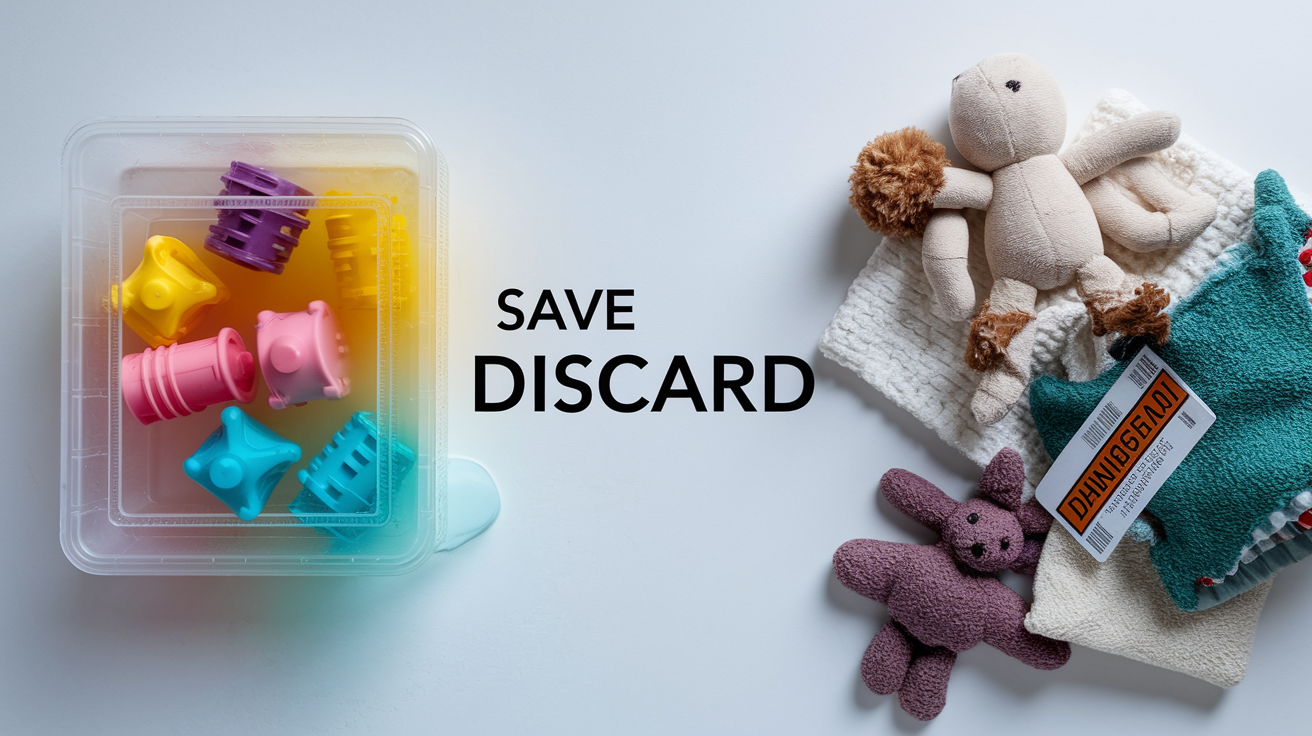
Children’s items need the strictest safety approach because young kids put everything in their mouths. Hard plastic toys without electronic components or fabric covering can be disinfected using the standard bleach solution, scrubbed thoroughly, rinsed completely, and air dried. Smooth, non-porous surfaces allow disinfectant contact with all exterior areas. But stuffed animals, fabric books, soft blocks, teething toys, and anything with porous materials must be thrown away even if they only touched category 1 water. You can’t verify that disinfectant penetrated every internal fiber, and the health risk to a child who mouths these items isn’t worth the cost of replacement. Baby bottles, sippy cups, pacifiers, and teething rings also need automatic disposal after flood contact. The nipples, valves, and small crevices in these items trap contaminants that can’t be fully removed, and babies have underdeveloped immune systems that increase vulnerability to any bacterial exposure.
Irreplaceable documents and photographs sometimes justify professional restoration attempts despite the cost exceeding the physical value. Birth certificates, property deeds, marriage licenses, and legal contracts can be reissued through government agencies, but family photos and historical papers have no replacement process. Professional document restoration services use freeze-drying techniques that extract water while minimizing further damage to paper fibers. These specialists can often separate stuck pages, reduce staining, and stabilize fragile documents. The cost typically starts around several hundred dollars and increases based on quantity and damage severity, making this option realistic only for truly irreplaceable items. If papers were only exposed to category 1 water briefly, you can attempt DIY air drying by laying sheets flat on clean towels in a well-ventilated space, changing towels every few hours until fully dry. But sewage-contaminated documents should be photographed for record purposes, then disposed of safely. The contamination risk outweighs even sentimental value when dealing with exposure to contaminated water.
Electronics, Appliances, and Mechanical Systems Evaluation

Never plug in or turn on any electronic device or appliance that contacted floodwater until a qualified technician completes a safety inspection. Water conducts electricity, and even small amounts of residual moisture inside electrical components create shock and fire hazards that persist long after surfaces appear dry. The immediate desire to test whether something still works can result in electrical shorts that permanently damage repairable items or, worse, cause fires or serious injury. Patience protects both your safety and your property.
Professional electronics restoration follows a narrow decision tree with specific requirements. Computers, tablets, and small devices submerged briefly in clean category 1 water might be salvageable if restoration begins within 24 hours. Specialists immediately disassemble the device, use ultrasonic cleaning to remove contaminants from circuit boards, apply specialized desiccants to extract moisture from internal components, then test each circuit before reassembly. This process works best on devices that were powered off when flooding occurred because energized circuits short out instantly when water bridges connections, causing damage that can’t be repaired. Any sewage exposure or category 3 water contact makes electronics unsalvageable because the chemical contamination and particulates coat circuit boards with residue that causes progressive corrosion even after drying. Delayed response beyond 48 hours allows corrosion to begin throughout electrical connections, essentially destroying the device regardless of cleaning attempts.
Appliances present different salvageability criteria depending on their mechanical versus electronic complexity. Older washing machines built primarily with mechanical components and simple timers can sometimes be cleaned, sanitized, and returned to service after category 1 water exposure. Non-digital stoves and ovens may survive if flooding didn’t reach control components or insulation. But modern appliances with electronic control boards, touchscreens, and computerized systems face the same restoration challenges as other electronics with lower success rates. Gas appliances of any type need certified technician inspection before reuse because gas control valves, regulators, and safety mechanisms can’t tolerate contamination. Even minor debris or corrosion in gas controls creates explosion and carbon monoxide risks. Water heaters always need replacement after flooding regardless of contamination level because the interior tank becomes contaminated with sediment and bacteria, and the insulation between the tank and outer shell stays wet for weeks, creating ideal conditions for corrosion and bacterial growth that compromise the pressure vessel integrity.
HVAC systems need careful assessment based on submersion depth and contamination type. If floodwater remained below the air handler unit, the ductwork might need professional cleaning and sanitizing while the compressor and air handler require inspection but may remain serviceable. Submersion of mechanical components usually means replacement because motors, compressors, and electrical controls can’t tolerate water exposure. Ductwork that contacted floodwater needs professional cleaning by certified technicians using specialized equipment to remove contamination and apply antimicrobial treatments throughout the duct system. Operating contaminated ductwork without professional cleaning circulates bacteria, mold spores, and sewage particles throughout your home every time the system runs.
Manufacturer warranties and insurance liability concerns add another layer to electronics and appliance decisions beyond pure functionality. Insurance companies often need professional disposal documentation for safety and liability reasons, and operating restored electronics without certified professional evaluation may void coverage on future damage. If a DIY-restored washing machine causes a water leak six months later, your insurance might deny the claim based on use of flood-damaged equipment without proper professional certification. The documentation trail matters as much as the actual safety when expensive appliances and complex electronics are involved.
Understanding Flood Contamination Categories and Health Risks

Water damage professionals classify all water intrusion into three contamination categories that determine salvageability and health risk. Category 1 water comes from clean sources like supply line breaks, toilet tank overflows (not bowl), or water heater leaks. This water contains minimal contamination initially and poses limited health threats if you handle cleanup quickly. Category 2 graywater originates from appliances and fixtures, including washing machine overflows, dishwasher leaks, or toilet bowl overflows with urine. This water contains bacteria and microorganisms that can cause illness with direct contact or ingestion. Category 3 represents the most severe contamination, including sewage backups, flooding from rivers and streams, and any standing water that remained stagnant for more than 48 hours regardless of its original source. This water contains dangerous pathogens, toxins, and disease-causing organisms.
All natural flooding automatically gets classified as Category 3 water the moment it enters your home, regardless of whether it came from a clear-running river or looked relatively clean. Floodwater picks up contamination from every surface it contacts during its journey. It flows across yards treated with pesticides and fertilizers, through street runoff contaminated with automotive fluids and heavy metals, over ground saturated with animal waste, and through compromised sewer systems where wastewater mixes with surface water. Urban flooding often overwhelms sewage treatment infrastructure, causing raw sewage to combine directly with floodwater. Even flooding that appears clean and originates from rain or snowmelt has traveled across contaminated surfaces, picking up bacteria, chemicals, and particulates before entering your home.
Specific health hazards in Category 3 floodwater create both immediate and long-term health risks. Bacteria including E. coli and Salmonella cause severe gastrointestinal illness with symptoms appearing within hours or days of exposure. Viruses such as Hepatitis A and Norovirus survive for extended periods in contaminated water and can infect through skin contact with mucous membranes or ingestion of microscopic amounts. Parasites including Giardia form cysts that persist in water and cause intestinal infections. Agricultural chemicals from fertilizers and pesticides concentrate in floodwater, creating toxic exposure risks. Petroleum products from vehicles and heating systems add carcinogenic compounds. Heavy metals from industrial sites and old paint leach into floodwater, creating neurological risks with repeated or prolonged exposure. These contaminants penetrate porous materials instantly and can’t be fully removed through surface cleaning.
Material porosity determines salvageability more than any other factor because porous materials have internal structures that absorb contaminated water into spaces cleaning can’t reach. Non-porous items such as metal, glass, ceramic, and hard plastics have smooth, sealed surfaces that prevent water penetration. Contaminants remain on the exterior where disinfectants can make direct contact and kill bacteria on all surfaces. Porous materials including wood, drywall, fabric, carpet padding, insulation, and particle board have internal structures filled with tiny spaces. Water travels into these spaces through capillary action, carrying bacteria, viruses, and chemical contaminants deep into the material. Once inside, the contaminants remain even after the surface dries. Disinfectants can’t penetrate throughout porous materials to reach contaminated interior spaces. Bacteria continue multiplying inside porous materials, protected from surface treatments and creating ongoing health hazards.
Salvageable Items and Proper Cleaning Methods

Non-porous items made from materials that prevent water absorption can be cleaned and returned to use after proper disinfection. Hard plastics found in storage containers, toys without soft components, and household goods provide sealed surfaces that keep contamination external. Metal items including cookware, utensils, tools, and hardware resist water penetration completely. Glass objects such as drinking glasses, jars, and decorative pieces have no internal spaces for bacteria to hide. Ceramics and porcelain including dishes, mugs, and tile also qualify as non-porous and salvageable.
The cleaning and disinfection process needs two separate phases because visible cleanliness differs completely from sanitation. Cleaning removes dirt, mud, debris, and organic material using soap or detergent with hot water and physical scrubbing. This phase makes items look clean and removes most contaminants, but bacteria and viruses remain on surfaces in quantities that still pose health risks. Disinfection uses chemical treatment to kill remaining microorganisms, requiring proper solution strength and adequate contact time. You must complete thorough cleaning before disinfection because organic material shields bacteria from disinfectant contact. Trying to disinfect dirty items wastes effort and leaves dangerous contamination.
| Item Type | Cleaning Method | Disinfection Solution | Contact Time |
|---|---|---|---|
| Dishes and Cookware | Hot soapy water, thorough scrubbing | 1 cup bleach per 5 gallons water | 10 minutes minimum |
| Hard Plastic Items | Detergent and hot water, scrub all surfaces | 1 cup bleach per 5 gallons water | 10 minutes minimum |
| Metal Tools and Hardware | Remove rust and debris, wash with soap | 1 cup bleach per 5 gallons water | 10 minutes minimum |
| Glass Objects | Wash with hot soapy water | 1 cup bleach per 5 gallons water | 10 minutes minimum |
| Ceramic and Porcelain | Scrub with detergent and hot water | 1 cup bleach per 5 gallons water | 10 minutes minimum |
Mix exactly 1 cup of unscented household chlorine bleach (typically 5-6% sodium hypochlorite) with 5 gallons of clean water for proper disinfection strength. Stronger concentrations don’t improve effectiveness and can damage items or create dangerous fumes. Weaker solutions fail to kill all bacteria and viruses. After cleaning items thoroughly with soap and water, submerge them completely in the bleach solution or apply solution to all surfaces using a sponge or spray bottle. The 10-minute contact time isn’t negotiable because bacteria die at different rates. Some organisms expire within seconds while others need several minutes of exposure. Leaving the solution on surfaces for the full 10 minutes ensures complete disinfection. After the contact time elapses, rinse items with clean water and allow them to air dry completely. Never mix bleach with ammonia, vinegar, or other cleaning products because dangerous chemical reactions create toxic gases.
Safety Precautions and Protective Equipment Requirements

Never enter a flooded home before confirming electrical power is shut off at the main panel to prevent electrocution.
Safety protocols protect you during the hazardous work of flood cleanup. Confirm electrical shutoff at the main service panel before entering standing water, and keep power off until a licensed electrician inspects all circuits, outlets, and fixtures for water damage and shorts. Wear rubber boots that extend above ankle height, waterproof gloves rated for chemical exposure, and N95 respirator masks during all cleanup and disposal activities to prevent skin contact and inhalation of contaminated material. Open all windows and doors to create cross-ventilation that reduces airborne contaminants, mold spores, and chemical fumes, using fans positioned to exhaust air outward rather than circulating it within the space. Don’t create dust when removing damaged materials by misting surfaces lightly with clean water before cutting or tearing, because dried contamination becomes airborne easily and enters your respiratory system. Wash hands thoroughly with soap and hot water for minimum 20 seconds after any contact with flood-affected materials and before eating, drinking, or touching your face to prevent ingestion of contaminants. Evacuate immediately if you see extensive mold growth covering more than 10 square feet, smell strong sewage odors, or experience respiratory symptoms including coughing and breathing difficulty, because these indicate contamination levels requiring professional remediation. Take frequent breaks during physical work to avoid exhaustion and injury, because contaminated environment stress combined with physical exertion increases accident risk and impairs judgment about safety hazards.
The 24-48 hour timeframe after flooding represents a critical window for both safety and salvageability. Mold spores exist naturally in all environments, remaining dormant until moisture creates growth conditions. When building materials become saturated, mold spores activate and begin colonizing within 24 hours. By 48 hours, visible growth starts appearing on organic materials including wood, drywall paper facing, and fabrics. Early-stage mold creates health hazards through airborne spores that trigger allergies and respiratory problems, while advanced growth produces mycotoxins that cause serious illness. The speed requirement for flood response exists because preventing mold is far easier than remediating established growth. Materials that could have been dried and saved if addressed within hours become unsalvageable after mold colonization begins. Your safety during cleanup depends on acting before contamination progresses from surface hazards to airborne health threats.
Proper Disposal Methods and Hazardous Waste Handling
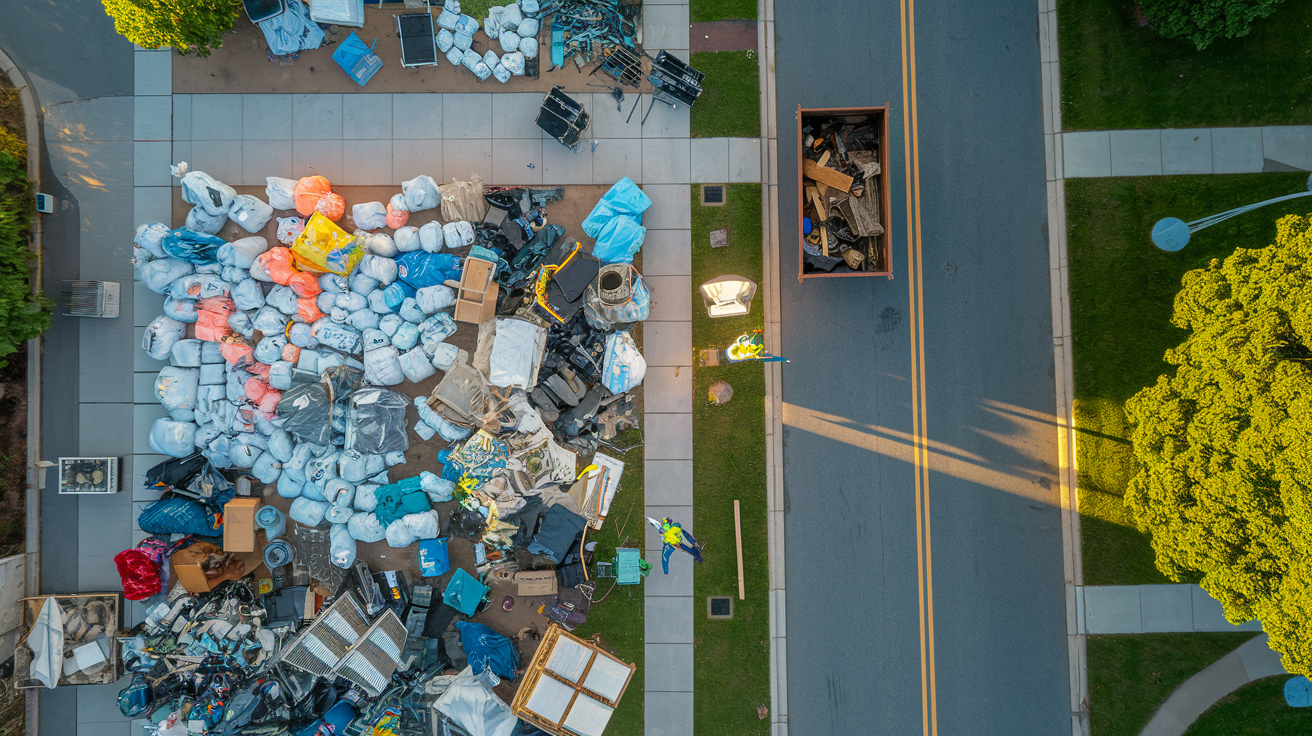
Local waste management systems typically implement special debris collection programs after flooding events that allow curbside pickup of large volumes that would normally exceed regular trash limits. Contact your city or county waste management department immediately after flooding to learn about emergency collection schedules, designated drop-off locations, and any documentation requirements for disaster-related debris. Many communities provide temporary dumpsters in affected neighborhoods or waive landfill fees for residential flood cleanup. These special accommodations usually operate for limited timeframes, sometimes just two to four weeks after the flooding event, making prompt contact important for accessing services.
Proper debris separation prevents contamination of recyclable materials and ensures hazardous items receive appropriate treatment. General flood debris including drywall, insulation, carpeting, damaged furniture, and household goods can typically be combined for regular disposal. Hazardous materials need separation into categories. Paints, solvents, pesticides, and cleaning chemicals need collection at household hazardous waste facilities because they contaminate landfills and groundwater. Batteries of all types contain heavy metals and require special recycling. Electronics including computers, televisions, and appliances contain both hazardous components and recyclable metals, qualifying for electronics recycling programs that extract valuable materials while properly handling toxic elements. Used motor oil and automotive fluids need dedicated collection sites to prevent environmental contamination.
Curbside placement for flood debris follows different rules than regular trash. Separate piles by material type to help collection crews identify contents and handle accordingly. Place all contaminated soft goods including carpeting, upholstery, mattresses, and fabrics inside heavy-duty plastic bags rated for construction debris to prevent spreading dried contaminants during collection and transport. These bags typically come in 3-millimeter or thicker plastic and hold up to 40-50 pounds safely. Set bagged materials at the curb separated from hard debris piles. Break down or cut large items like furniture and drywall sheets into manageable pieces that collection crews can handle safely. Most programs limit individual items to 4 feet in length and 50 pounds in weight. Contractor dumpster rental becomes worthwhile when debris volume exceeds what curbside pickup can handle efficiently. A 20-yard dumpster holds approximately 6 pickup truck loads, while a 30-yard size accommodates about 9 truck loads. Rental periods typically run one week with the option to extend.
Documentation before disposal protects your insurance claim and creates the record needed for reimbursement. Photograph or video every item you plan to discard before moving it to the curb or dumpster. Capture brand names, model numbers, and any identifying details that establish value. If items are too damaged to read labels, photograph them in place showing the condition and location. Make a written inventory that corresponds to photos, listing each item with approximate purchase date and estimated replacement cost. Keep rental receipts, dumping fees, and documentation of any costs incurred during disposal. Insurance adjusters review disposal documentation when evaluating claims, and missing this step can result in reduced settlement or denied coverage for specific items.
Insurance Documentation and Claims Process
Document absolutely everything before discarding a single item, because insurance adjusters need proof of damage extent and pre-loss condition to approve claims.
Complete photo documentation needs systematic coverage of all affected areas. Photograph water level marks on walls showing flood height at multiple locations throughout the home, because these establish the scope of damage and verify that lower-level claims involving cabinets, electrical outlets, and fixtures are legitimate. Video walkthrough of every affected room moving slowly to capture overall conditions, then photograph individual items and damaged areas up close showing specific destruction details. Take close-up photos of damaged items showing brand names, model numbers, and serial numbers clearly visible, because adjusters need this information to verify replacement costs and values. Create written inventory with purchase dates, original costs, and current estimated values for every item being discarded, noting whether receipts exist or estimates are based on memory. Keep all receipts for emergency services including water extraction, temporary repairs, hotel stays, and equipment rentals because these costs are typically reimbursable as part of claims. Obtain written estimates from licensed contractors for repair work even if you plan to do the work yourself, because professional estimates establish reasonable costs that insurance uses for claim calculations. Separate documentation into categories matching your policy coverage sections including building structure, contents, and additional living expenses for clearer claim submission and processing.
Insurance policies typically cover losses based on either actual cash value or replacement cost, creating significant differences in claim payouts. Actual cash value subtracts depreciation from replacement cost, meaning a five-year-old couch worth $1,200 new might only receive $400 in claim payment after accounting for age and wear. Replacement cost coverage pays the amount needed to buy a comparable new item regardless of the damaged item’s age, providing $1,200 for that same couch. Check your policy declarations page to determine which coverage type you have, because this affects whether you should focus documentation on original purchase prices or current replacement values.
Working effectively with insurance adjusters means understanding their documentation needs and approval processes. Adjusters evaluate damage based on industry-standard estimating software that includes average costs for materials and labor in your geographic area. Professional restoration company estimates align with this software and typically receive approval more readily than homeowner estimates. If the adjuster questions your claimed values or scope of damage, professional documentation provides the third-party verification needed to support your position. Restoration companies experienced in insurance work understand how to document conditions and prepare estimates that meet insurance industry standards, often expediting claim approval and increasing settlement amounts compared to homeowner-only documentation.
Professional Assessment and Restoration Services
Professional restoration teams use technology that reveals damage invisible to homeowners, fundamentally changing disposal decisions. Moisture meters measure water content inside materials by sending electrical signals through the material and measuring resistance. Wood studs, drywall, and subfloors that appear dry on the surface may still contain 20-30% internal moisture that guarantees mold growth and structural problems. The meter provides specific readings that determine whether materials can be dried and saved or need removal. Thermal imaging cameras detect temperature differences caused by evaporating moisture and water trapped behind surfaces. Looking at a wall, you might see nothing concerning. The thermal camera reveals cold spots showing exactly where water has migrated through wall cavities, under flooring, and into ceiling spaces. These wet areas invisible to visual inspection need investigation and often disposal of materials that appear undamaged.
Speed matters enormously in flood restoration, and professional emergency response provides capabilities you can’t match. Restoration companies typically guarantee arrival within 60-90 minutes of your call, bringing truck-mounted water extraction units that remove hundreds of gallons per hour. These industrial pumps and vacuum systems clear standing water in a fraction of the time required using a shop vacuum or bucket brigade. Getting water out within the first few hours prevents additional absorption into building materials and possessions, directly reducing disposal requirements and total loss amounts. Professional teams arrive with commercial dehumidifiers, air movers, and heating equipment already loaded and ready to deploy immediately, establishing the drying environment while you would still be driving to the rental store.
Structural damage assessment needs professional evaluation beyond what homeowners can safely determine themselves.
Final Words
If you’re standing in a damaged room wondering what should be thrown away after a flood, start with the immediate disposal items: anything that touched category 3 water, all porous materials that stayed wet past 48 hours, and every food item or medication that contacted floodwater.
Document everything with photos before you haul it out.
The line between salvage and disposal comes down to material type, contamination category, and how fast you dried it. When you’re not sure, grab a moisture meter or call someone who deals with this regularly.
You can recover from this. One decision, one load to the curb, one step closer to dry and safe.
FAQ
What should you throw out after a flood?
After a flood, you should throw out all porous materials that contacted contaminated water, including mattresses, upholstered furniture, carpeting with padding, drywall, insulation, particle board items, pillows, bedding, children’s soft toys, all food that contacted floodwater, medications, cosmetics, and any sewage-exposed items regardless of material type.
Why do you have to throw everything away after a flood?
You have to throw away flood-damaged porous items because floodwater contains sewage, bacteria, viruses, and chemicals that penetrate deep into materials where disinfectants cannot reach. Even items that appear clean harbor dangerous pathogens inside the material structure that create serious health risks.
What is salvageable after a flood?
Salvageable items after a flood include non-porous materials like hard plastics, metal, glass, and ceramics that can be properly disinfected. Solid hardwood furniture frames, some appliances after professional inspection, and undamaged commercial canned goods may also be saved depending on contamination category and drying speed.
How do you disinfect your house after floods?
You disinfect your house after floods by first cleaning all hard surfaces with soap and water, then applying a solution of 1 cup bleach mixed with 5 gallons of water to non-porous surfaces. Allow the disinfectant solution to contact surfaces for at least 10 minutes before wiping or air-drying.
How long before mold grows on flood-damaged materials?
Mold grows on flood-damaged materials within 24 to 48 hours of water exposure. This critical timeframe means you must remove wet porous materials and begin drying salvageable items immediately to prevent mold colonization that makes items unsalvageable and creates respiratory health hazards.
Can you save carpet and padding after a flood?
You cannot save carpet and padding after significant flooding in most cases, especially with sewage-contaminated water. The padding absorbs contaminated water completely and cannot be disinfected, while carpet fibers trap bacteria and pathogens that proper cleaning cannot remove, creating ongoing health risks.
What is Category 3 water in flood damage?
Category 3 water in flood damage is heavily contaminated black water containing sewage, pathogens, toxins, and dangerous bacteria from sources like toilet backups, rising floodwater, and seawater. All natural flooding counts as Category 3 water regardless of source because ground contamination, chemical runoff, and sewage system overflow mix together.
Should you discard medications and cosmetics after flood exposure?
You should discard all medications and cosmetics after flood exposure, even if containers appear sealed and undamaged. Floodwater contamination enters through microscopic openings invisible to the eye, and ingesting or applying contaminated products creates serious health risks that outweigh replacement costs.
Can electronics be saved after flood damage?
Electronics can be saved after flood damage only if submerged briefly in clean Category 1 water and professionally restored within 24 hours using ultrasonic cleaning and desiccant drying. Any sewage exposure, delayed response beyond 24 hours, or visible corrosion requires disposal due to electrical fire and shock hazards.
How high should you cut drywall after flooding?
You should cut drywall at least 12 inches above the visible water line after flooding because drywall wicks moisture upward beyond flood marks. Professional assessment with moisture meters determines the exact removal height, and sewage-contaminated water requires complete drywall removal regardless of water height.
Do you need to replace insulation after a flood?
You need to replace insulation after a flood in nearly all cases because wet insulation loses thermal resistance, becomes a mold breeding ground, and cannot be properly dried or disinfected. Professional wall cavity inspection confirms complete saturation that homeowners cannot see without opening walls.
What protective equipment do you need for flood cleanup?
You need waterproof rubber boots, heavy-duty waterproof gloves, N95 respirator masks, eye protection, and long sleeves for flood cleanup. These protect against sewage bacteria, chemical contamination, airborne mold spores, and sharp debris hidden in floodwater that create infection and respiratory risks.
Can particle board furniture be saved after flooding?
Particle board furniture cannot be saved after flooding because this engineered wood product swells, crumbles, and loses structural integrity when wet. The material absorbs contaminated water throughout its compressed wood fiber structure, making disinfection impossible and creating permanent damage even after drying attempts.
How do you properly dispose of flood-damaged items?
You properly dispose of flood-damaged items by separating general debris from hazardous materials like paint, chemicals, batteries, and electronics, bagging contaminated soft goods in heavy-duty plastic, and using local waste management flood debris pickup services. Document everything with photos before disposal for insurance claims.
When should you call a professional for flood damage assessment?
You should call a professional for flood damage assessment when dealing with sewage backup, structural concerns like sagging ceilings or load-bearing walls, hidden moisture detection needs, mold growth covering more than 10 square feet, or high-value items requiring specialized restoration that insurance claims depend on.